
Last updated September 25, 2026
Free written scope consultation - allowances, timeline, and change-order rules on paper before a single trade is scheduled
 Before
 After
After Before
 After
After Before
 After
AfterSeasonal Construction Care for Campbell: Year-Round Homeowner’s Guide
Campbell averages fewer than 15 inches of rain annually, but 80% of it falls between November and March - a short, intense window that exposes every gap in flashing, caulk, and grading that was invisible all summer. In our experience across 4,000-plus projects, the homeowners who spend the least on repairs are not the ones with the newest houses; they’re the ones who treat the mild months as preparation time, not vacation. This guide assigns specific inspection tasks to specific months based on what Campbell weather actually does, not what the calendar suggests it should do.
Quick Answer
Seasonal construction care in Campbell means concentrating your preventive work in October before the rains arrive, monitoring moisture intrusion through the wet season, and addressing soil settlement and exterior finish damage during the dry summer months. A homeowner who completes the six inspection cycles outlined below will catch most problems while they’re still a few hundred dollars to fix, not a few thousand.
Table of Contents
- October: The Pre-Rain Inspection That Prevents Winter Damage
- November Through March: Managing Moisture in Campbell’s Wet Season
- How Campbell’s Expansive Clay Soils Affect Your Foundation
- April Through June: Post-Rain Recovery and Exterior Assessment
- July Through September: Summer Heat, Dry Rot, and HVAC Load
- Building a Dated Maintenance Log for Warranty and Resale
- Common Mistakes to Avoid
- When to Call a Professional
- Frequently Asked Questions
- The Bottom Line
 Before
 After
AfterOctober: The Pre-Rain Inspection That Prevents Winter Damage
October is the only month in Campbell when you can still access dry roof surfaces, work comfortably outdoors, and address problems before water starts moving through them. We schedule more exterior assessments in October than any other month because the cost of finding a problem now versus finding it in January is typically a 5x multiplier.
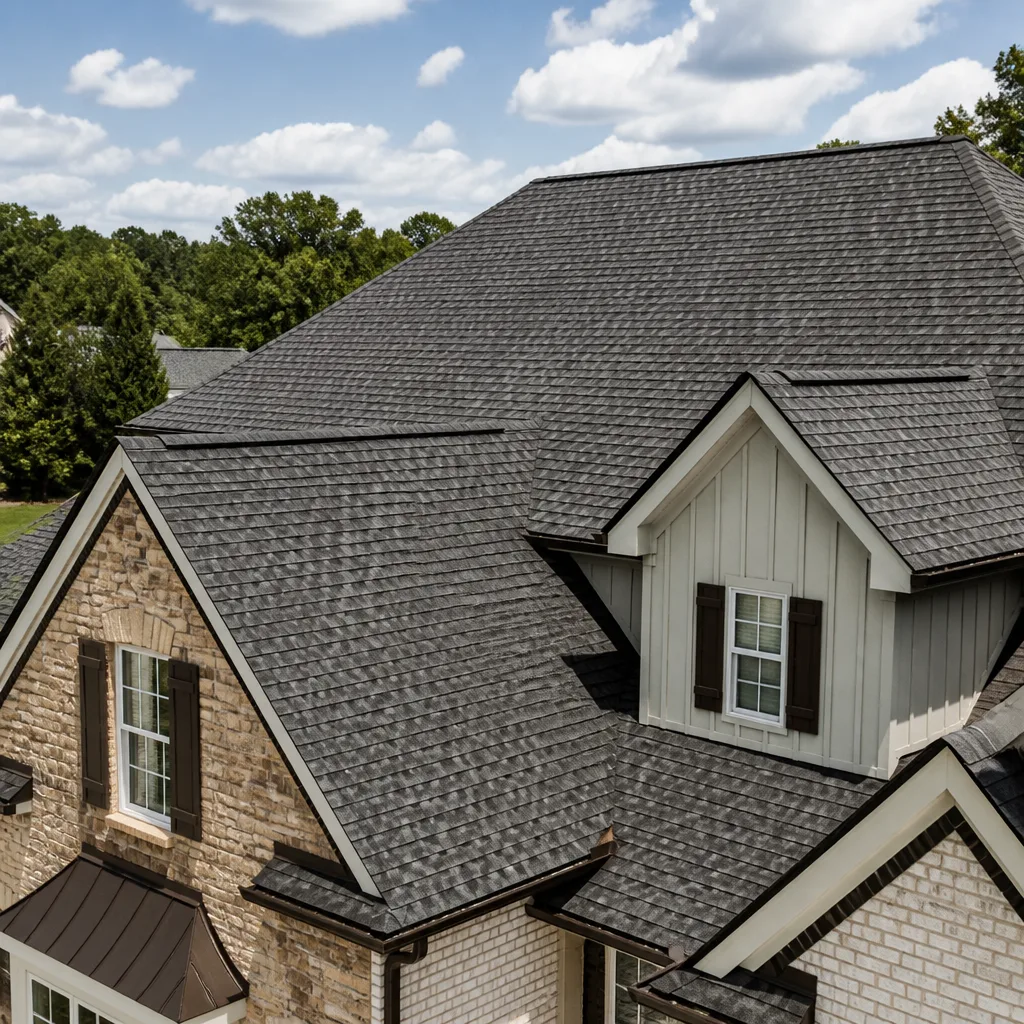
Start at the roof. Walk the perimeter with binoculars or a ladder at the eaves - do not walk the roof surface unless you’re trained and equipped. Inspect every penetration: plumbing vents, furnace flues, skylight curbs, and chimney saddles. The flashing at these points is sheet metal, usually aluminum or galvanized steel, sealed with polyurethane or butyl tape. After a Campbell summer of UV exposure and thermal cycling, that sealant is often cracked or displaced. Look for gaps where the flashing meets the vertical element, and for lifted shingle tabs at the uphill side of the penetration. A lifted tab is a funnel; the first sustained rain of November will drive water straight under it.
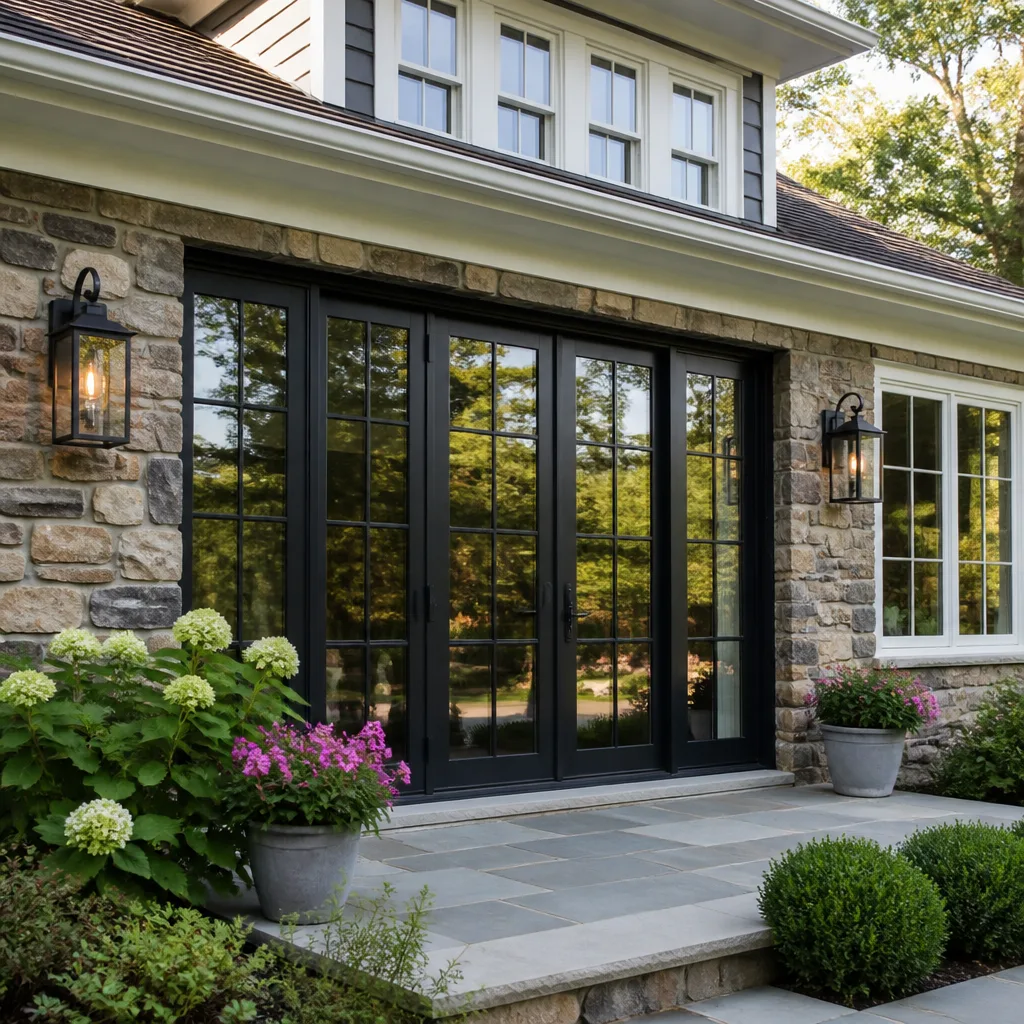
Move to windows and doors. The critical detail is the sill - the horizontal surface at the bottom of the frame. In Campbell’s climate, south- and west-facing sills take the most thermal stress. Check the caulk bead where the frame meets the siding; it should be continuous, slightly convex, and free of cracks. If you can slide a putty knife into the gap, water can enter. Remove failed caulk with a hook tool, clean with mineral spirits, and reapply a high-quality silicone or hybrid sealant. For window and door replacement projects, we specify Therma-Tru entry systems and ECO Window Systems vinyl units with integrated sill dams - a raised internal barrier that redirects incidental water back outside even if the perimeter seal degrades.
Finally, verify gutter function. Campbell’s mature neighborhoods - the areas near Campbell Park, around the Pruneyard, and east toward the foothills - have significant tree canopy. Leaves accumulate in October. Check that downspouts discharge at least 6 feet from the foundation, and that splash blocks or underground drains are clear. A downspout dumping at the foundation corner is the single most common cause of the moisture intrusion patterns we see in Campbell crawlspaces.
October Checklist:
- Roof penetration flashing: photograph every vent, flue, and skylight from the ground; note lifted shingles or visible gaps
- Window and door sill caulk: probe with a putty knife; recaulk any section that accepts the blade
- Gutter downspout discharge: confirm 6-foot minimum from foundation; clear drains and splash blocks
- Grade inspection: verify soil slopes away from foundation at minimum 6 inches of fall in first 10 feet (detailed below)
- Exterior hose bibs: drain and shut off interior valves if present; replace washers showing cracks
November Through March: Managing Moisture in Campbell’s Wet Season
Campbell’s rainy season is short but concentrated. A typical January brings 3.2 inches, often in two or three sustained events rather than daily drizzle. This pattern matters because it means water has time to accumulate and find paths, not just run off. The problems that start in November rarely announce themselves with visible leaks; they announce themselves with symptoms that homeowners misattribute.
Efflorescence is the white, powdery deposit that appears on concrete, brick, or stucco surfaces. It’s mineral salts carried by water moving through the masonry matrix. When you see it on a Campbell foundation wall or garage slab, water is moving through the material from the soil side. It’s not cosmetic; it’s a map of active moisture migration. The responsible trade is typically a concrete or foundation specialist for below-grade issues, or a roofing contractor for above-grade sources where roof drainage is the cause.
Paint bubbling at baseboard level indicates water wicking up from the floor or slab into the wall framing. In Campbell’s older homes - the Eichler-influenced slabs and the post-war crawlspace construction near downtown - this often traces to failed perimeter flashing or a missing vapor barrier. The trade responsible depends on source: general construction for framing and vapor barrier remediation, or plumbing if a supply or drain line is the moisture source. We document this with our standard photo record on every inspection visit, so the homeowner has dated evidence of when the symptom first appeared.
Musty odor in crawlspace signals organic growth on wood surfaces, which requires moisture content above 20% sustained for 48 hours. Campbell’s winter humidity, combined with poor crawlspace ventilation, creates this condition predictably. The responsible trade is general construction for ventilation remediation, though severe cases may require environmental assessment before structural work proceeds.
During these months, your task is observation, not intervention. Run a dehumidifier in the crawlspace if you have power access. Check the interior of closets on exterior walls - the coldest surfaces - for condensation or mold spotting. Note any new odors after heavy rain. Document with photographs dated to the day. This record becomes evidence if warranty claims or resale disclosure become necessary.
How Campbell’s Expansive Clay Soils Affect Your Foundation
The Santa Clara Valley floor, including all of Campbell, sits on a layer of Bay Mud and alluvial clay deposited over thousands of years. This soil is expansive - it swells when wet and shrinks when dry - and the amplitude of that movement increases with the clay content. In the neighborhoods west of Winchester Boulevard, where older alluvial deposits are closer to the surface, we’ve measured differential settlement of 3/4 inch across a single residential slab in one wet season.
The protective measure is grade management, not structural intervention. The building code minimum for surface drainage is 6 inches of fall in the first 10 feet from the foundation. In Campbell’s clay soils, we treat this as a floor, not a target. A 10% slope (1 foot in 10) is preferable where landscaping allows. The slope must be continuous; a flat spot at the downspout outlet or a decorative planter that blocks drainage creates a pond that saturates the soil mass.
What to look for:
- Soil pulling away from the foundation wall in summer, indicating shrinkage and loss of support
- Cracks in exterior flatwork (patios, walkways) that open in dry months and close in wet months
- Doors that stick in winter and swing freely in summer, signaling slab or frame movement
- Tile cracks in bathrooms, especially at the slab-on-grade homes common in the Campbell Manor and Orchard Park areas
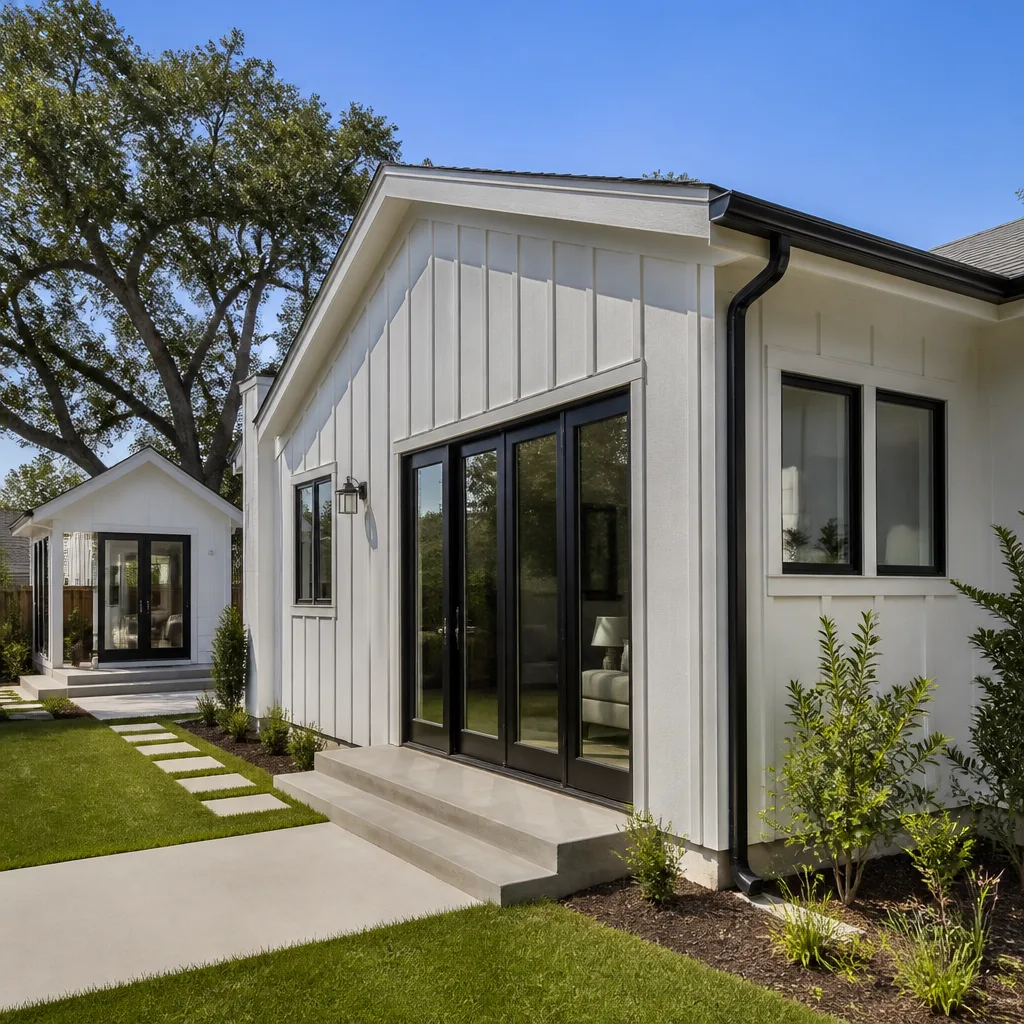
For home additions and ADU construction in Campbell, we specify engineered fill and capillary breaks as standard, not upgrades, because we’ve seen too many projects where the original structure was stable but the new work settled independently. Under Clause 1 of the Haven Standard, the written price includes these measures when our pre-construction soils assessment indicates they’re warranted - no change order required.
April Through June: Post-Rain Recovery and Exterior Assessment
April is when Campbell’s soil is at maximum moisture content, and the damage from winter is fully expressed. This is the month to walk the property systematically and catalog what the rain revealed.
Start with the roof from the inside. Access the attic on a bright day with the lights off. Look for light penetration at penetrations - a pinhole of daylight is a pathway for water. Look for darkened sheathing, especially at the valleys and near chimney saddles. Look for compressed or displaced insulation, which indicates wind-driven rain entry that soaked the material and caused it to slump. Photograph everything; the contrast between wet and dry sheathing is visible for several weeks after the last rain.
Move to the exterior. April is ideal for pressure washing because surfaces are still damp and the risk of driving water into cracks is lower than in dry summer months. Clean siding, decks, and concrete. While surfaces are wet, note any areas where water beads inconsistently - this indicates degraded paint film or sealant. Campbell’s dry summers bake acrylic latex paint to a brittle film; the first flexing from winter moisture causes micro-cracks that become visible when wet.
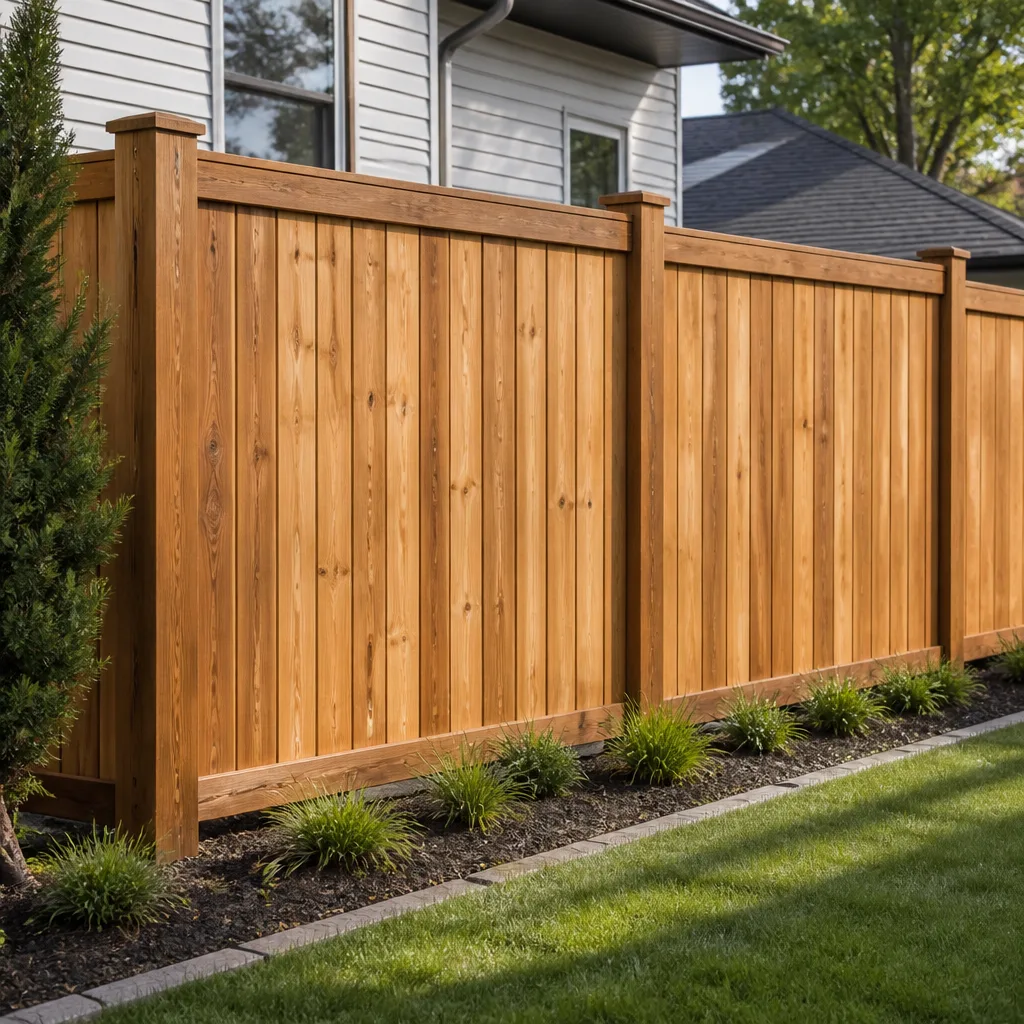
Deck inspection deserves specific attention. The combination of Campbell’s winter moisture and summer UV creates a corrosion cycle for fasteners. Galvanized nails and screws in pressure-treated lumber show rust bloom within three to five years. Lift a few deck boards if accessible, or probe structural connections with an awl. A fastener head that crumbles under moderate pressure has lost its structural capacity. For new fence and deck construction, we specify hot-dipped galvanized or stainless hardware, and we document the fastener schedule in the written scope so there’s no substitution at installation.
Window and door operation check: frames swollen from winter moisture should have returned to dimension by May. If a window that was sticky in January is still binding in April, the frame may be out of square from structural movement, or the sash may have absorbed moisture and expanded permanently. Both conditions warrant professional assessment.
July Through September: Summer Heat, Dry Rot, and HVAC Load
Campbell’s summer pattern is dry heat with occasional marine layer intrusion, particularly in June and early July. Daytime highs average 82°F in July, but south-facing wall surfaces can exceed 140°F. This thermal load drives moisture from the soil into the structure through vapor pressure differentials, and it degrades exterior finishes at an accelerated rate.
Exterior paint film integrity: Walk the perimeter on a hot afternoon. Chalky residue on your hand indicates UV degradation of the paint binder. Alligatoring - a pattern of interconnected cracks resembling reptile skin - indicates that the topcoat has lost elasticity and is separating from the substrate. Both conditions allow water entry in the following winter. Campbell homes with south- and west-facing stucco or wood siding typically need repaint every 7 to 10 years, but microclimates matter: the same house in the shade of the Los Gatos Creek corridor may last 12 years, while an exposed elevation in the foothills may need attention in 5.
Deck fastener corrosion: Revisit the deck inspection from April. By August, any fastener that showed rust bloom will have advanced. Tighten any that have loosened; replace any with significant material loss. The cost of a box of structural screws is negligible against the cost of a deck collapse, which we’ve investigated twice in Campbell - both cases traced to corroded ledger board attachment.
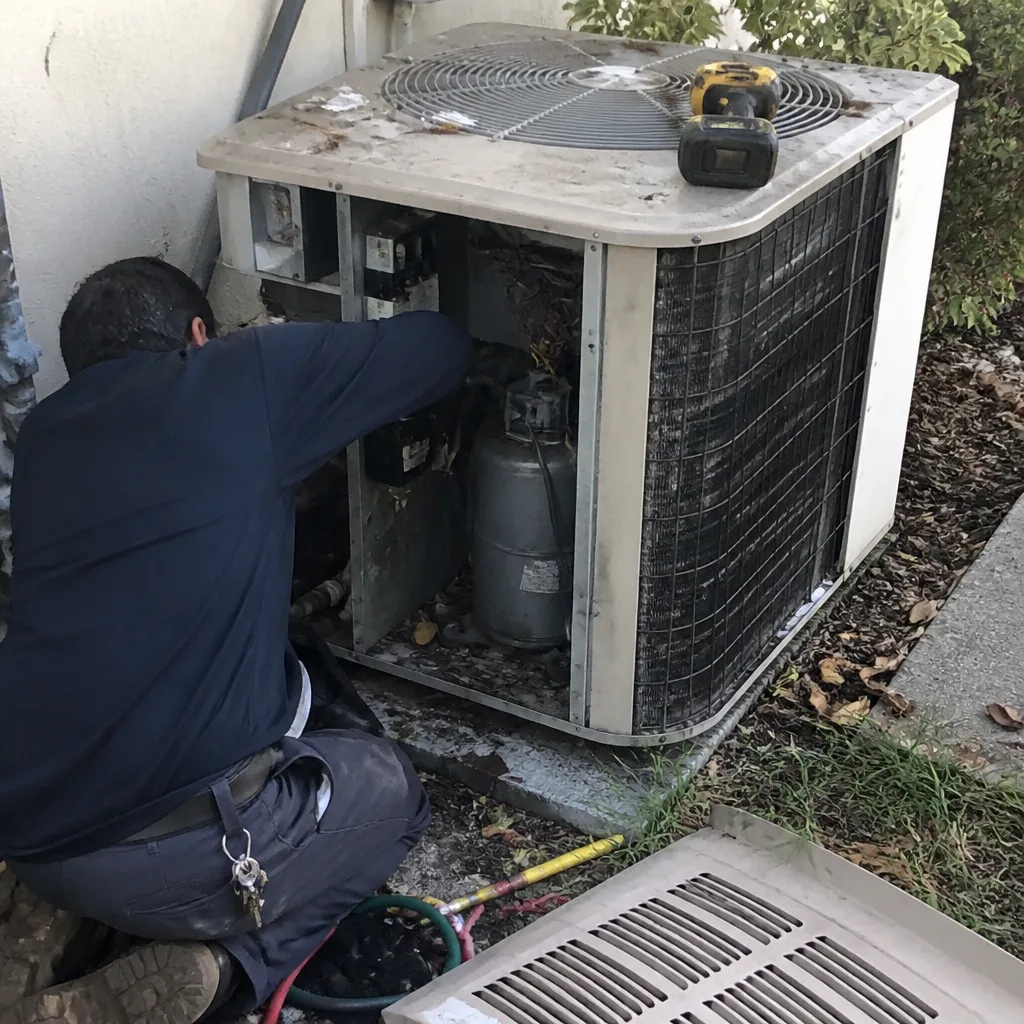
HVAC filter and condensate: Peak cooling load in Campbell runs August through mid-September. A dirty filter increases static pressure, reduces airflow across the evaporator coil, and can cause coil icing that produces condensate overflow. Check the filter monthly; replace when the pressure drop across it exceeds manufacturer specification (typically visible as deformation of the media). Verify that condensate drains freely and that the pan overflow switch is functional. Water damage from condensate backup is a general construction repair, not an HVAC warranty issue, and it’s excluded from most homeowner policies if maintenance neglect is established.
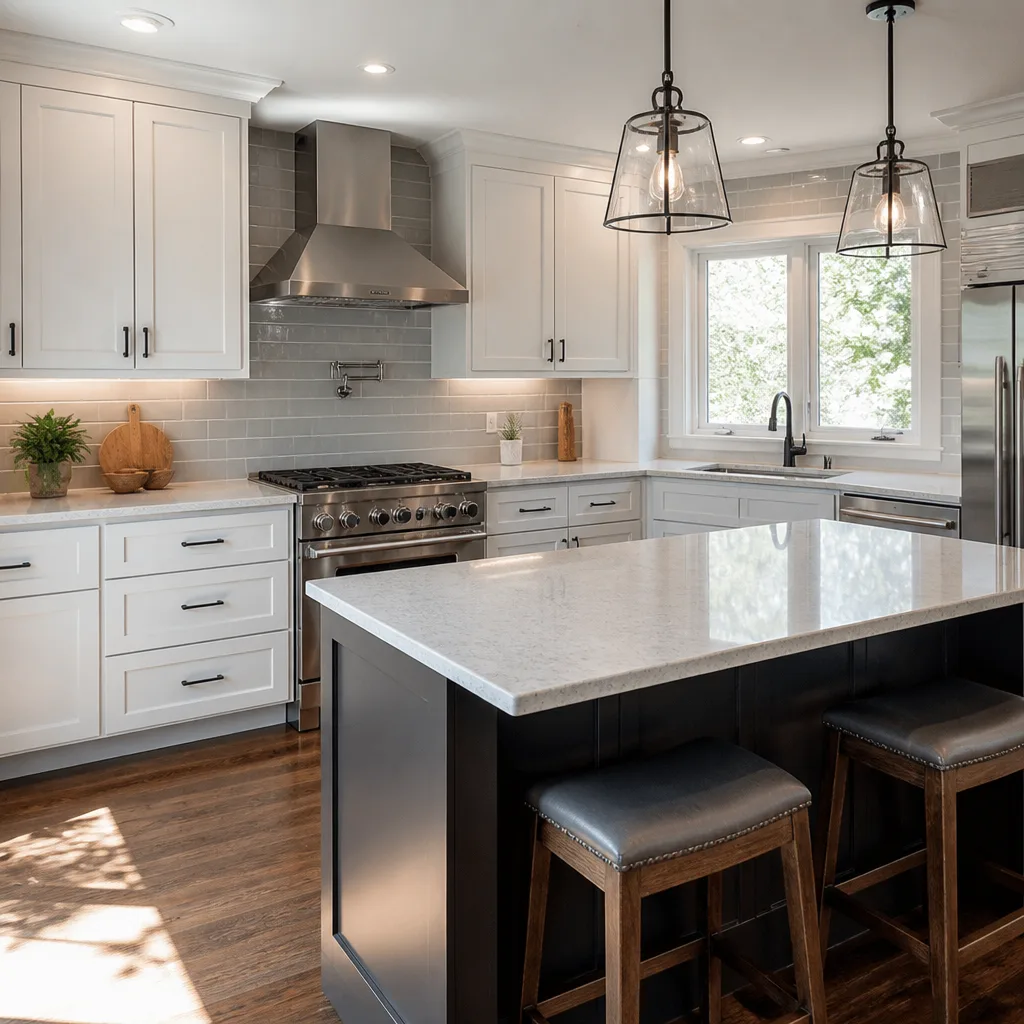
For kitchen remodeling and bathroom remodeling projects scheduled in summer, we coordinate HVAC shutdown windows carefully. The Haven Standard requires that we specify temporary climate control if the central system must be offline for more than 4 hours during occupied renovation - not because it’s comfortable, but because temperature swings in a gutted space can damage cabinets and countertops before they’re even installed. KraftMaid and Wellborn cabinet specifications include humidity ranges for storage and installation; Cambria and Caesarstone quartz surfaces have thermal expansion coefficients that matter when a slab is moved from a 110°F truck into a 72°F house.
Building a Dated Maintenance Log for Warranty and Resale
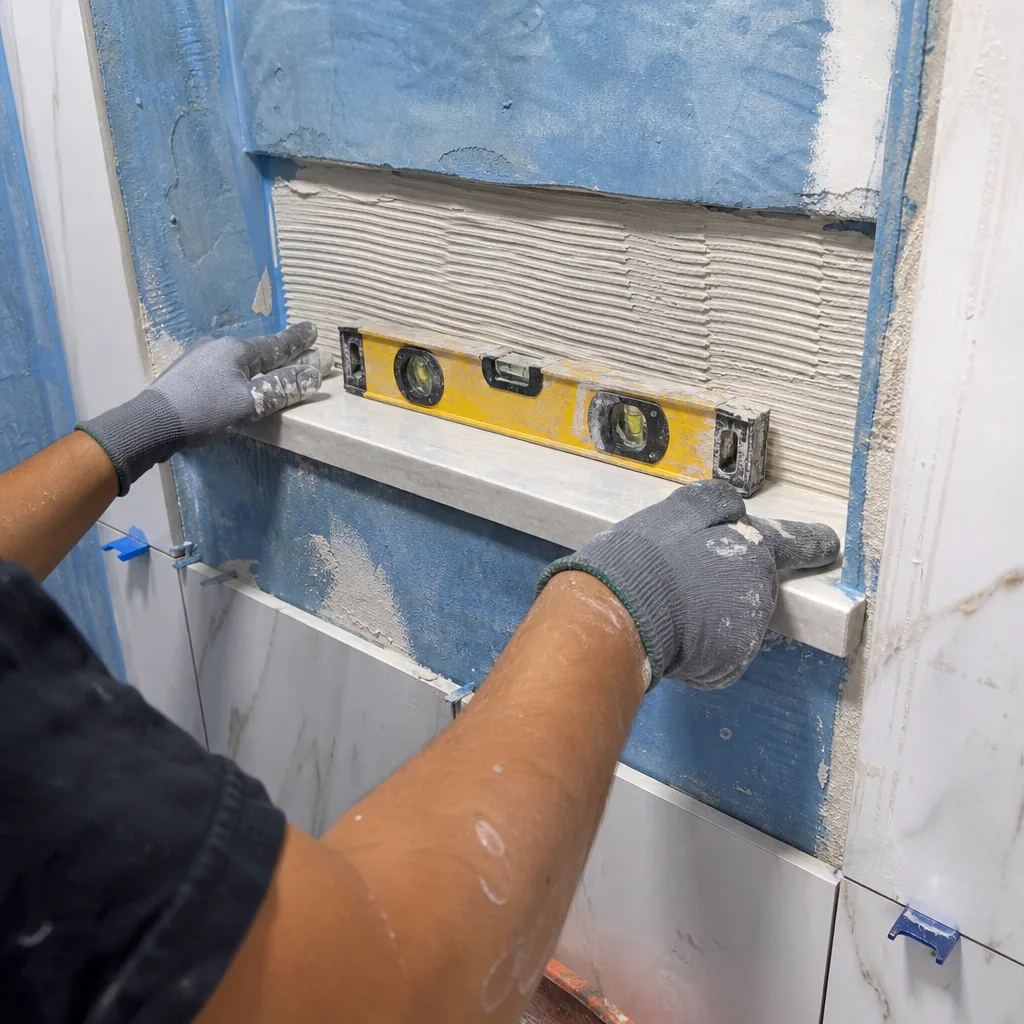
The maintenance log is not a formality. In California, residential resale disclosure requires documentation of known material defects and repairs. A dated, photographic record of seasonal inspections satisfies this requirement and protects against claims of undisclosed conditions. More immediately, it supports warranty claims - most manufacturer warranties require evidence of maintenance; without it, coverage is voidable.
We provide a standard log template to every Rowan Construction Group Campbell home project customer, but any homeowner can build an equivalent. The structure follows the inspection sequence above, matched to calendar months.
Campbell Seasonal Maintenance Log Template:
- October Entry: Roof penetration photographs with date stamps; caulk condition by opening (front door, rear slider, bedroom windows); gutter discharge verification; grade measurement at four foundation corners
- November-March Entries (monthly): Crawlspace humidity reading if meter available; interior closet checks for condensation; any odor or staining observations; rain event notes with dates and totals from nearest CIMIS station
- April Entry: Attic inspection photographs; pressure washing date and contractor; deck fastener condition; window operation check with notes on any persistent binding
- July Entry: Exterior paint condition by elevation; deck fastener re-torque or replacement; HVAC filter change date and pressure drop if measured; condensate drain test
- Annual Summary (September): List of items requiring professional attention; scheduled work with contractor names and permit numbers; warranty registrations completed
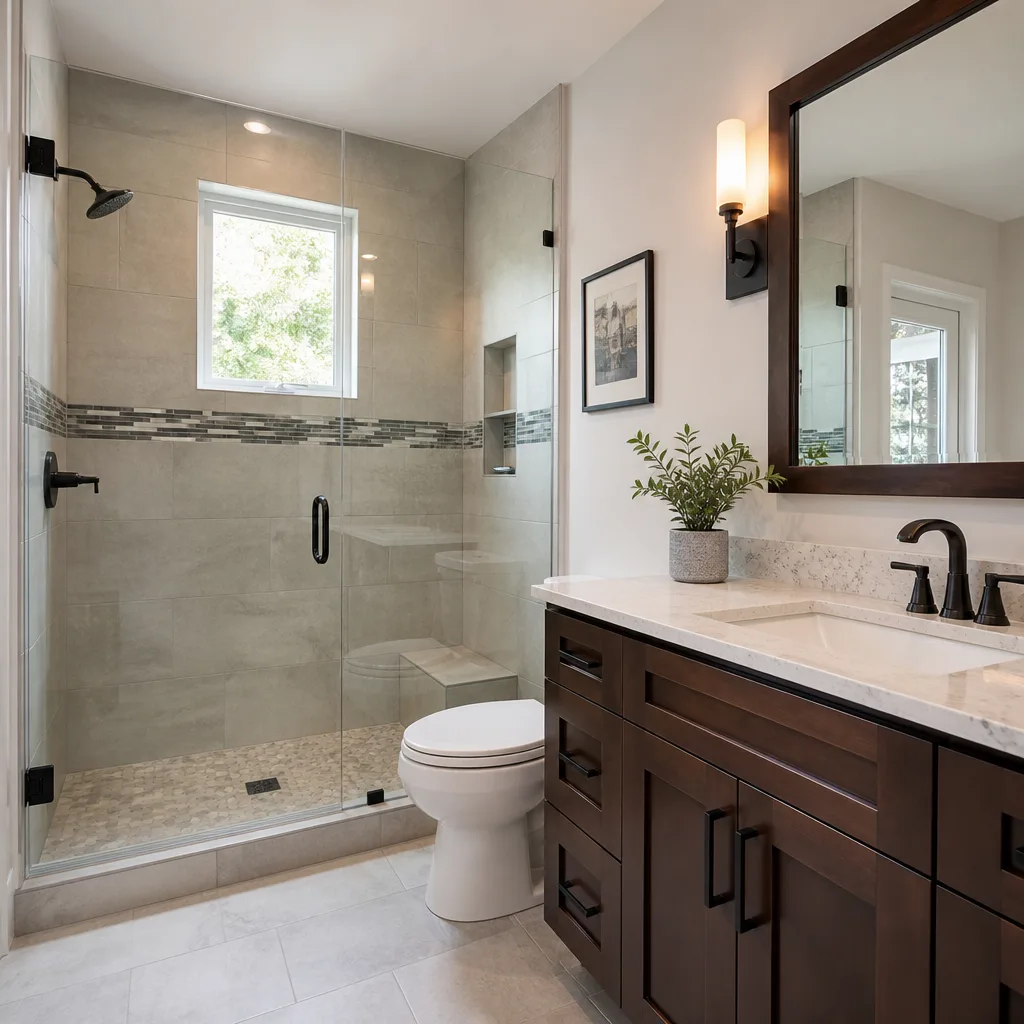
Store the log digitally with cloud backup and maintain one printed copy with the property deed packet. If you engage Rowan Construction Group for any trade - Kitchen Remodeling in Campbell, Bathroom Remodeling in Campbell, Roofing in Campbell - the documented photo record from every visit is appended to your project file automatically, under the Haven Standard’s documentation clause.
Common Mistakes to Avoid
- Assuming Campbell’s mild climate means less maintenance. The wet-dry amplitude is actually more stressful than consistent rain because materials expand and contract across a wider range. Homes in Seattle need different maintenance; they don’t necessarily need more.
- Caulking over old caulk without removal. The new bead adheres to the old, which is already failing. In Campbell’s UV exposure, this repair lasts one season. Remove, clean, prime if specified by the sealant manufacturer, then apply.
- Ignoring south-facing elevations. Thermal cycling is most extreme on south and west faces. An inspection that checks only the front (typically north or east in Campbell’s grid) misses the highest-stress surfaces.
- Pressure washing with excessive pressure or wrong tip. Residential siding, especially older wood or EIFS systems in the Ranch View and Campbell Meadows areas, is damaged by 3,000+ PSI at close range. Keep the fan tip 12 inches from the surface and use the widest angle that removes the soil.
- Deferring deck fastener replacement because “it feels solid.” By the time a deck feels unstable, the ledger connection or post bases have often failed. Corrosion is progressive and hidden; the visible rust is the tip of the condition.
- Failing to document. A warranty claim without dated photographs is a negotiation. A warranty claim with a dated photo record and a written inspection note is a formality.
- Grading soil flat for lawn or garden aesthetics. The 6-inch minimum fall in 10 feet is a functional requirement, not a guideline. Flat grades against the foundation saturate the soil mass and create hydrostatic pressure that finds every construction gap.
When to Call a Professional
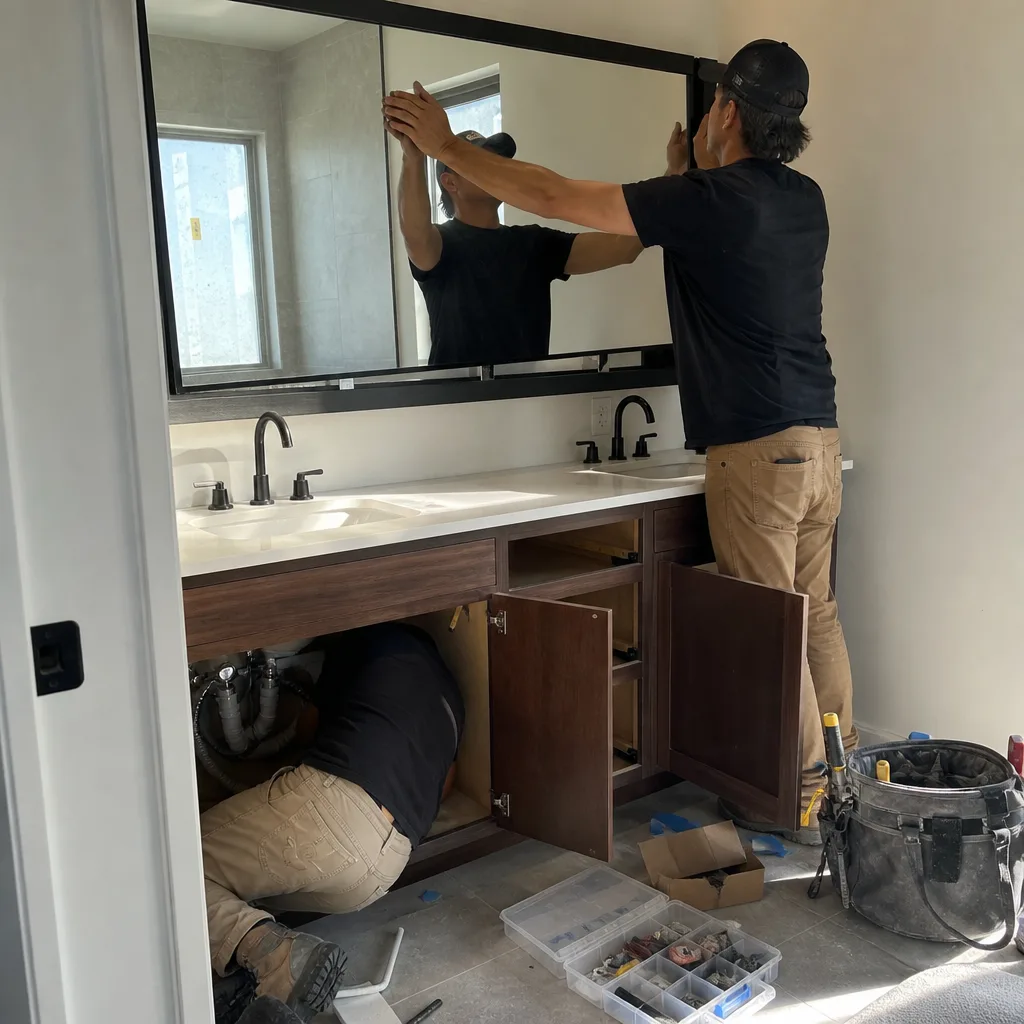
Some conditions require assessment beyond homeowner capability. Call a licensed contractor if you observe: differential settlement cracks in foundation walls wider than 1/4 inch; sagging rooflines or rafter tails; water stains that expand after rain despite exterior repairs; electrical outlets or switches that are warm, spark, or trip breakers repeatedly; or any structural modification, including the removal of walls or installation of new openings.
For any of these conditions, Rowan Construction Group Campbell offers free estimates in Campbell - call (831) 704-1211. Under the Haven Standard, you’ll receive a written price before any work starts, a documented photo record of our findings, and the 365-Day Done Right Promise on all completed work. We also provide a Free Second Opinion on any written estimate from another contractor; bring your quote and we’ll review it line by line at no charge.
Frequently Asked Questions
A professional seasonal inspection for a typical Campbell single-family home ranges from $250 to $450, depending on whether it includes attic access, crawlspace entry, and written documentation with photographs. Call (831) 704-1211 for an exact quote - estimates are free, and Rowan Construction Group includes the documented photo record as standard, not an upgrade.
No. Under Clause 1 of the Haven Standard, the price is written before anyone starts. No change proceeds without a signed change order. This discipline is why Rowan’s projects finish within a few percent of the agreed cost across 4,000-plus jobs since 2007.
No. Maintenance tasks that don’t alter structure, electrical, or plumbing systems typically don’t require permits in Campbell. If your inspection reveals conditions requiring repair or replacement - roof flashing replacement, window installation, grading modification - the responsible contractor should pull the appropriate permit and schedule inspection. Rowan Construction Group pulls permits and passes inspections as a standard project step, included in the written price.
Campbell and San Jose share the same regional climate zone, but Campbell’s position slightly inland from the Santa Clara Valley floor creates marginally higher summer temperatures and lower winter humidity. The practical difference is minimal for most maintenance cycles; both cities require the same October pre-rain inspection and summer heat management. The specific neighborhoods matter more than the city boundary - foothill-adjacent areas in either city experience more thermal cycling than valley-floor locations.
The three earliest indicators are: efflorescence (white powder) on concrete or masonry surfaces, indicating water movement through the material; paint bubbling or staining at baseboard level, indicating wicking from the floor or slab; and musty odor in crawlspace or closet interiors, indicating organic growth on wood surfaces above 20% moisture content. Document any of these with dated photographs and schedule professional assessment if they persist after exterior drainage improvements.
Quality acrylic latex paint on properly prepared wood or stucco in Campbell typically lasts 7 to 10 years on protected elevations, 5 to 7 years on south- and west-facing exposures with full sun. Microclimate matters significantly: homes under mature canopy or with significant roof overhang may extend this by 2 to 3 years; exposed foothill properties may need attention in 4 to 5 years. The failure mode to watch for is alligatoring - interconnected surface cracks that indicate loss of film elasticity and imminent water intrusion.
Yes. Any work that requires permit coverage under the California Building Code is permitted and inspected through completion. The permit number, inspection dates, and final approval are documented in your project file. This is standard on every Rowan Construction Group trade, from Kitchen Remodeling in Campbell to roofing replacement to ADU construction.
The Bottom Line
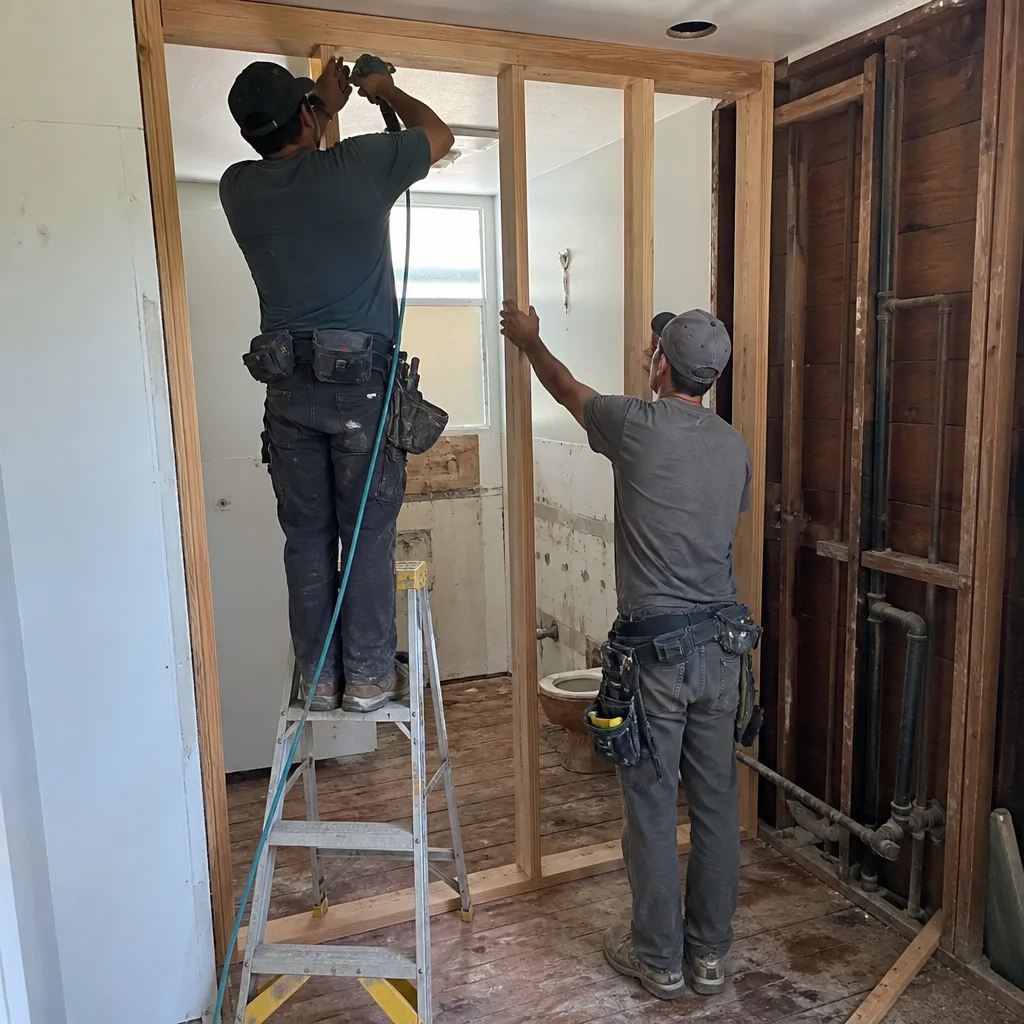
Campbell’s mild reputation is a trap. The concentrated winter rain and expansive clay soils create a stress cycle that predictable maintenance prevents. Complete the October pre-rain inspection, monitor through the wet season, assess and repair in spring, and protect finishes through summer heat. Document everything. The homeowners who spend least over a decade of ownership are not lucky; they’re systematic. If your inspection reveals conditions beyond your scope, Rowan Construction Group Campbell provides written prices before work starts, documented photo records on every visit, and the 365-Day Done Right Promise backed by The Haven Standard. Call (831) 704-1211 to schedule your free estimate.
Written by Grant Rowan, Owner at Rowan Construction Group Campbell, serving Campbell since 2007.