
Last updated September 25, 2026
Free written scope consultation - allowances, timeline, and change-order rules on paper before a single trade is scheduled
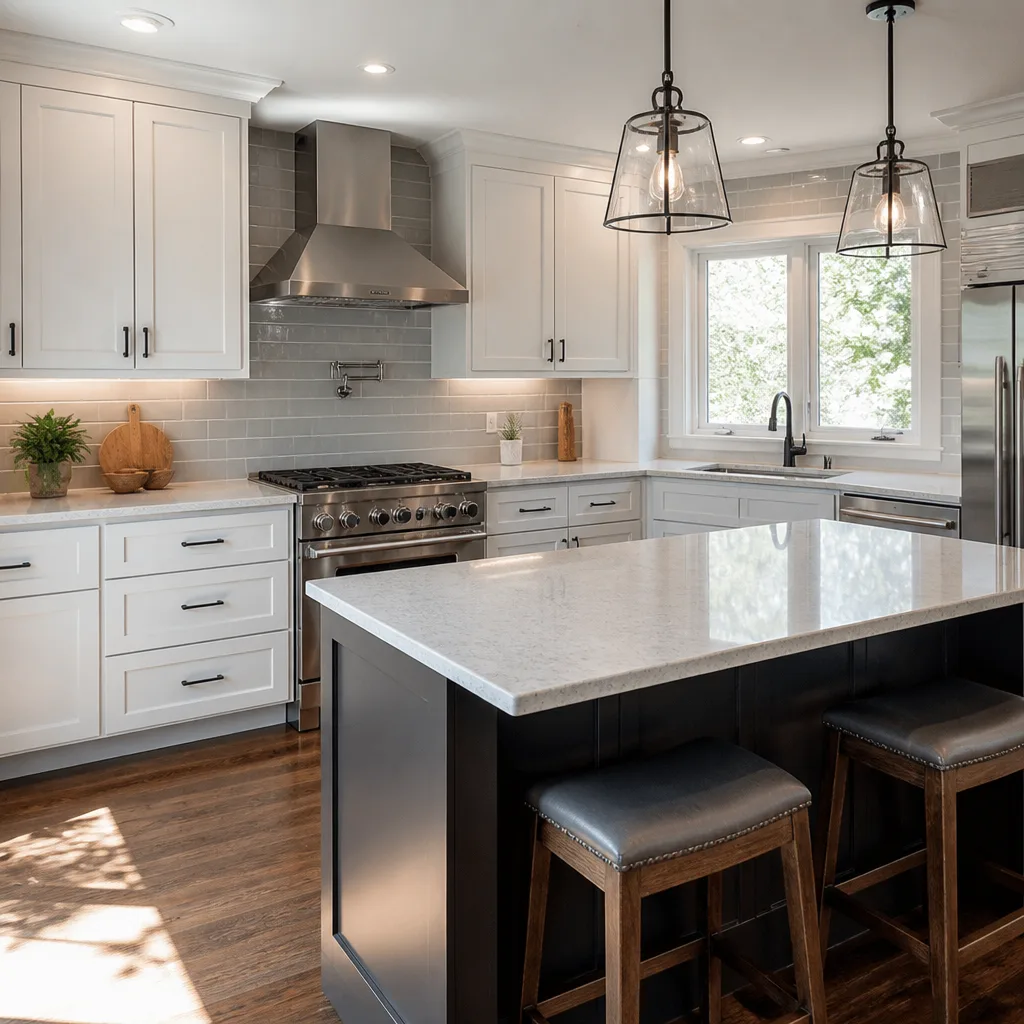
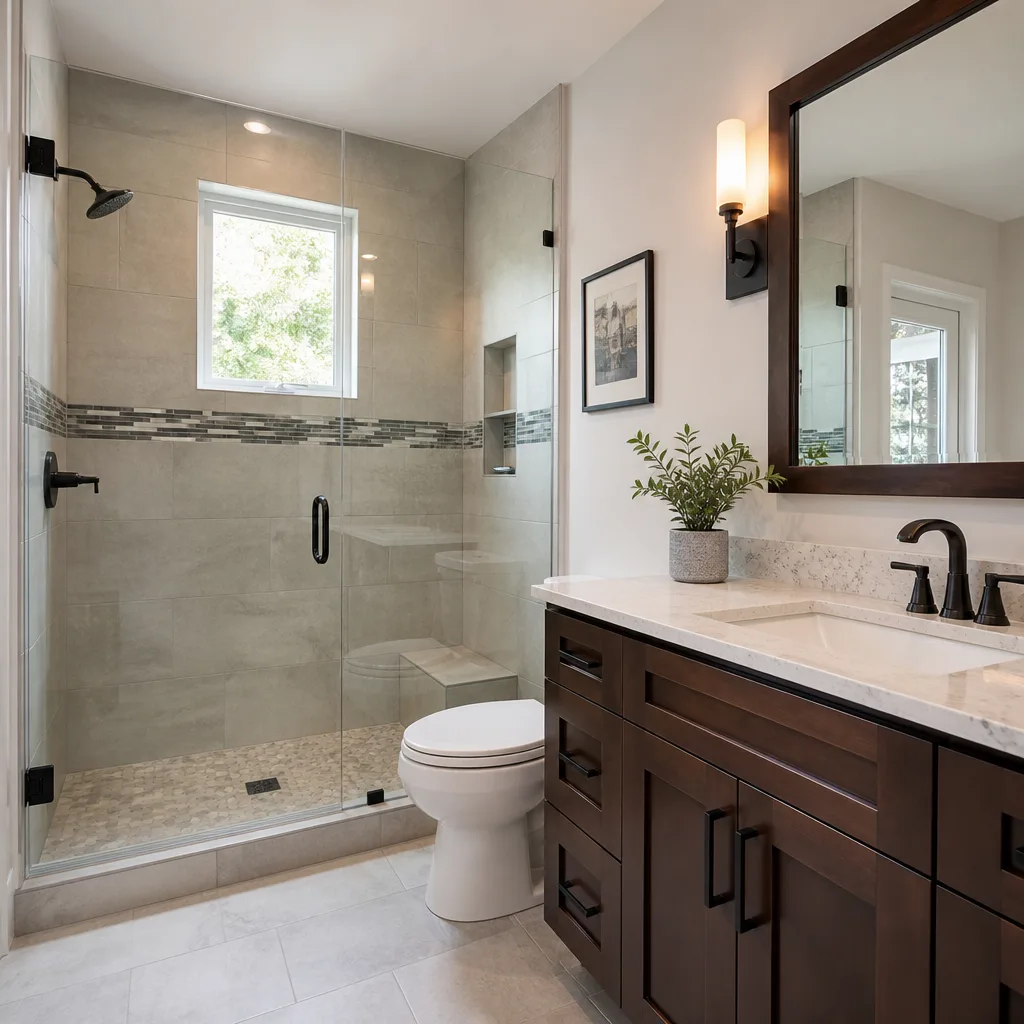
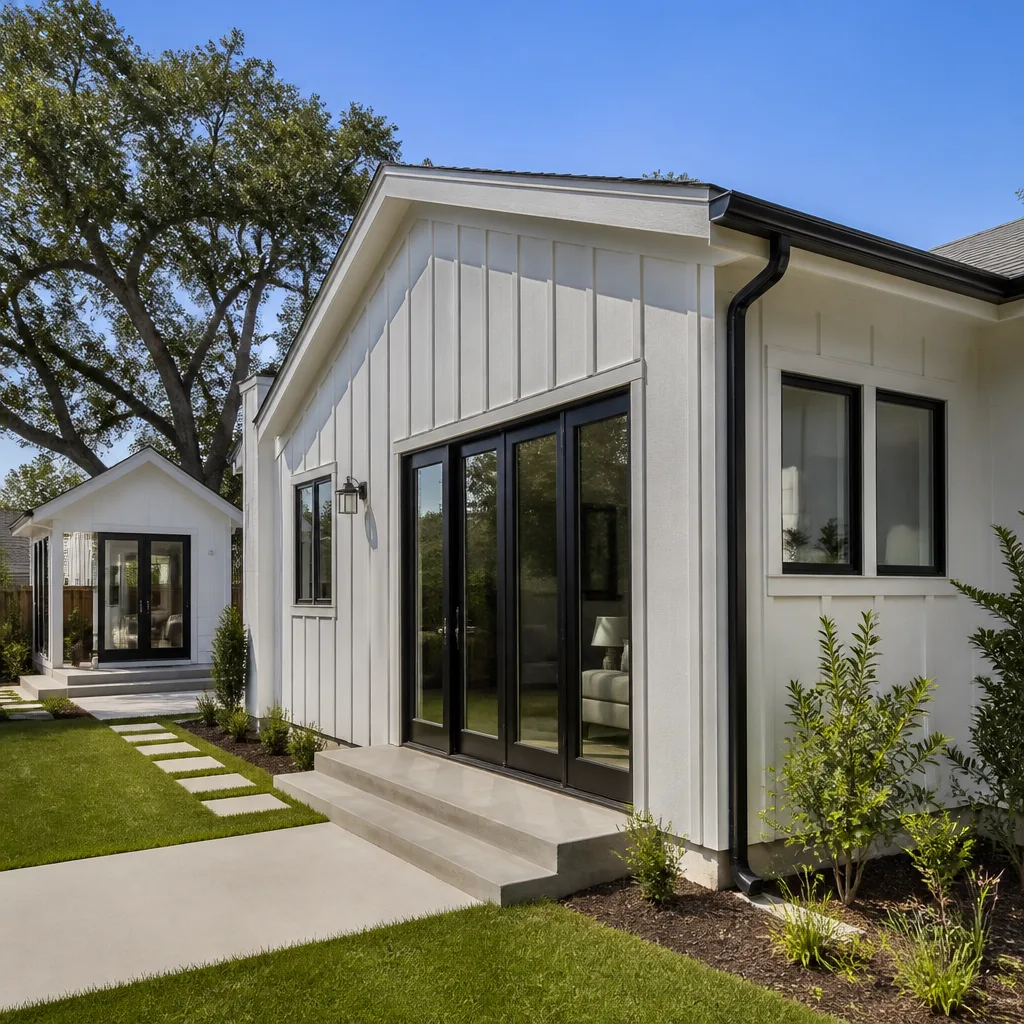

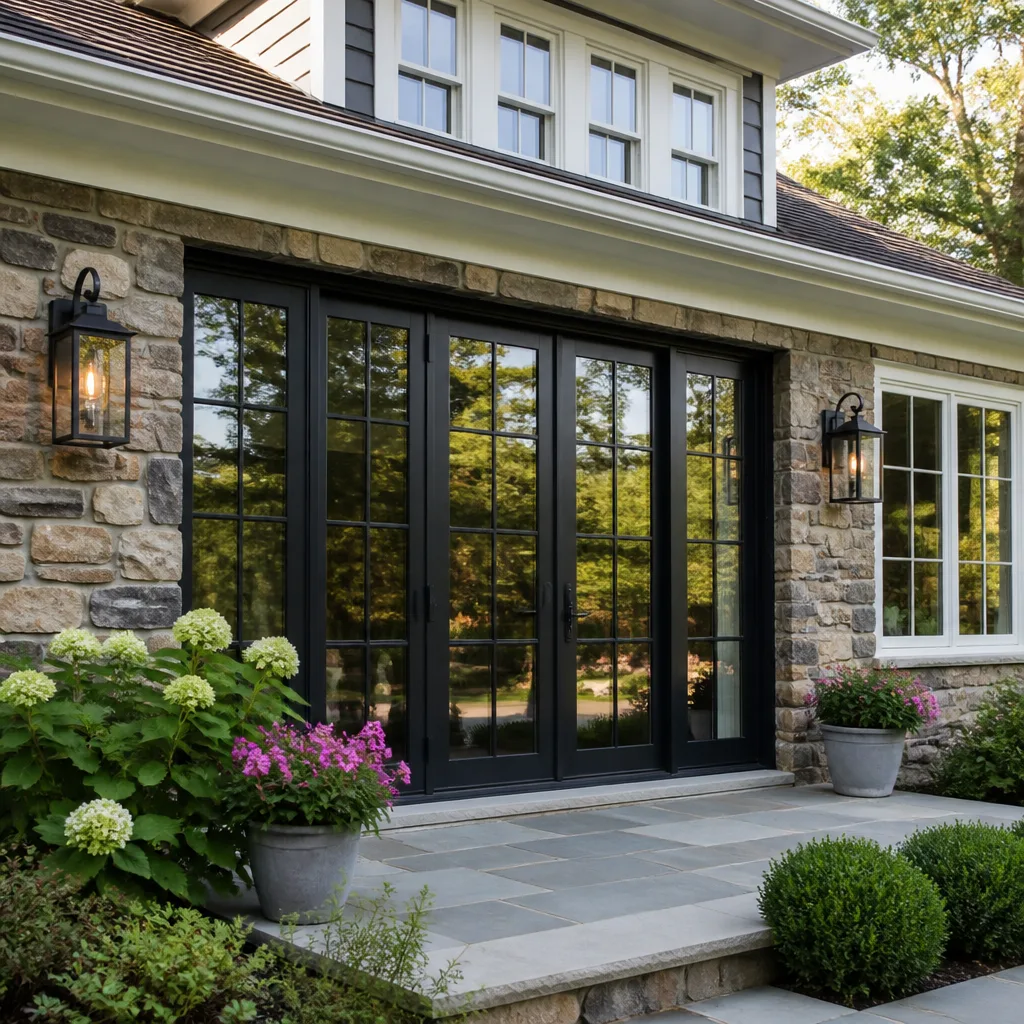
 Before
 After
After Before
 After
After Before
 After
AfterDIY vs Professional Construction: The Campbell Homeowner’s Decision Guide
California law lets any homeowner pull their own permit and act as their own general contractor. But here’s what most Campbell homeowners don’t know: if you sell that home within five years, Civil Code §1102 creates a legal presumption that you are liable for any defects in that owner-builder work. The buyer doesn’t have to prove you did anything wrong. You have to prove you didn’t. In Campbell’s competitive real estate market, where median home values have climbed past $1.6 million and buyers hire inspectors who flag permit history, that presumption can cost tens of thousands in credits or lost deals. This guide draws the legal and financial line between DIY projects that make sense and projects that expose you to permit, warranty, and insurance liability you probably haven’t considered.
Quick Answer
DIY construction in Campbell is legally viable for cosmetic and non-structural work, but California law and standard insurance policies make it financially risky for electrical, gas, structural, and permitted trades. Professional contractors carry license bonds, workers’ compensation, and general liability that protect the homeowner; DIY work leaves the homeowner exposed to resale liability under Civil Code §1102, insurance denial for faulty construction, and personal injury costs without recourse.
Table of Contents
- California’s Owner-Builder Permit: What It Actually Means
- Work That Legally Requires a Licensed Contractor
- How DIY Work Affects Your Homeowner’s Insurance
- Cost Comparison: Three Campbell Projects, DIY vs. Professional
- How to Document Permissible DIY Work for Resale
- Warranty, Permit, and Inspection Realities
- Common Mistakes to Avoid
- When to Call a Professional
- Frequently Asked Questions
 Before
 After
AfterCalifornia’s Owner-Builder Permit: What It Actually Means
Campbell homeowners who want to save money on a kitchen remodel or bathroom update often start with the same question: “Can’t I just pull the permit myself?” For those considering larger projects, our How to Hire a Construction Contractor in Campbell: A Step-by-Step Guide offers a useful comparison. The answer is yes, but the consequences are specific and poorly understood.
Under California Business and Professions Code §7044, an owner-builder is a property owner who builds or improves their own property and does not sell, lease, or rent it within one year of completion. The City of Campbell issues owner-builder permits through the Community Development Department on the same schedule as contractor permits, with the same plan review and inspection requirements. The permit costs the same. The inspections are the same. The difference is who carries the liability.
Here is where the law tightens. Civil Code §1102 requires disclosure of any owner-builder permit pulled within the past five years on the Transfer Disclosure Statement (TDS). The disclosure itself is not the problem. The problem is the legal presumption it creates: if a defect exists in owner-builder work, the seller is presumed liable. The burden shifts to the homeowner to prove the work was done correctly, that the defect was not their fault, or that the defect was disclosed and accepted. In Campbell’s seller’s market, buyers routinely use inspection findings to negotiate credits of $10,000 to $50,000. A seller with owner-builder history has less leverage to resist those demands.
The one-year restriction in §7044 is also frequently misunderstood. It does not mean you must wait one year before selling. It means that if you sell within one year, you may face additional scrutiny from the Contractors State License Board (CSLB) for acting as an unlicensed contractor. Between years one and five, the §1102 disclosure obligation applies without the CSLB exposure. After five years, the disclosure requirement expires, though permit records remain searchable in Campbell’s online permit history indefinitely.
We’ve reviewed hundreds of Campbell permit files. Owner-builder permits cluster in two categories: fence replacements and minor bathroom updates. They are notably absent in kitchen remodels involving electrical relocation, bathroom moves involving plumbing rerouting, and any project with structural wall modification. That pattern tells you where experienced homeowners draw their own line.
Work That Legally Requires a Licensed Contractor
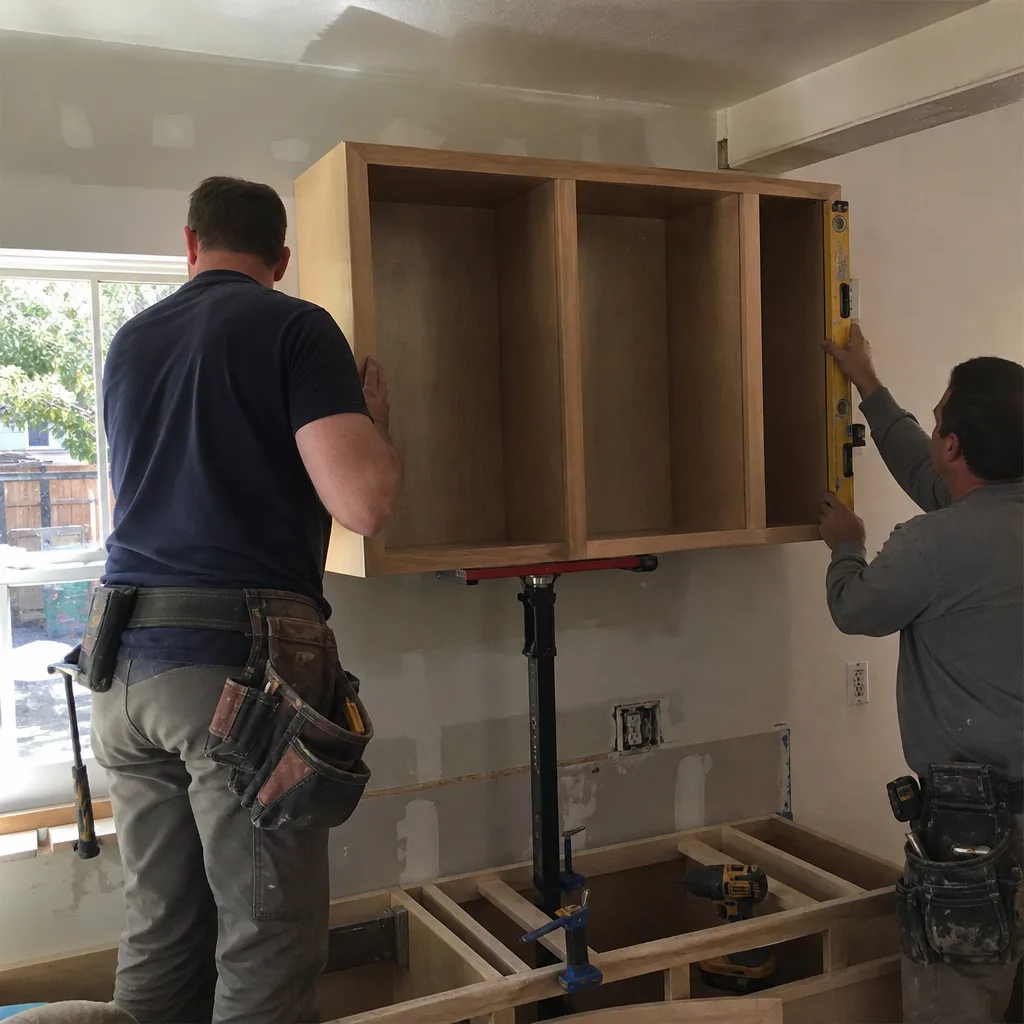
California draws a bright line around certain trades. A homeowner cannot legally perform this work themselves, even on their own primary residence, without a licensed contractor:
- Electrical panel upgrades or service changes - C-10 license required. This includes swapping a 100-amp panel for 200-amp, relocating a panel, or adding subpanels. Campbell’s older neighborhoods, particularly the Pruneyard area and streets west of Bascom Avenue, still have significant 100-amp inventory.
- Gas line modifications - C-36 plumbing license or C-38 refrigeration license required. Moving a gas stub for a range relocation, adding a gas line for a fireplace conversion, or upsizing pipe for a tankless water heater all require licensed work and a separate gas inspection by PG&E or the city, depending on scope.
- Load-bearing structural changes - A or B license required. Removing a wall between kitchen and living room, creating a pass-through, or modifying ceiling joists for a skylight all require engineered drawings, a structural observation by a licensed engineer or architect, and a contractor with the appropriate classification.
- Work requiring engineered drawings - Any project where the city requires wet-stamped plans (foundation work, retaining walls over four feet, ADU conversions) must be built under a licensed contractor’s permit. The engineer of record will not stamp plans for owner-builder execution.
- Roofing on structures attached to the main dwelling - C-39 roofing license required. Detached structures under 120 square feet are exempt in some jurisdictions, but Campbell applies the state standard: any roofing on a habitable structure requires a C-39.
The CSLB actively investigates complaints in Santa Clara County, and the penalties for unlicensed contracting include fines up to $15,000 and potential misdemeanor charges. Homeowners who hire unlicensed individuals, including themselves inappropriately, also lose access to the CSLB’s consumer recovery fund if the work fails.
What surprises many Campbell homeowners is that the license requirement is not about competence. It is about insurance architecture. Licensed contractors carry workers’ compensation (even if they have no employees, through an owner-operator policy), general liability, and a $25,000 license bond. That layered coverage is what makes the homeowner whole when something goes wrong. DIY work has no backstop.
How DIY Work Affects Your Homeowner’s Insurance
Standard HO-3 homeowner’s policies, which cover most Campbell homes, contain an exclusion that surprises policyholders at the worst moment: damage caused by “faulty, inadequate, or defective construction” is not covered. The exclusion applies regardless of whether the construction was done by the homeowner or a contractor, but the practical difference is stark.
When a licensed contractor’s work fails, the homeowner has multiple paths to recovery: the contractor’s general liability policy, the CSLB bond, the contractor’s errors and omissions coverage if they carry it, and potentially the consumer recovery fund. When a homeowner’s DIY work fails, they have none of these. Their own policy excludes the damage, and they have no third party to pursue.
We’ve seen this play out in Campbell specifically with water damage from improperly flashed window replacements, fire damage from overloaded circuits in kitchen remodels, and structural damage from load-bearing walls removed without engineering. In each case, the homeowner’s insurer denied the claim based on the faulty construction exclusion. The homeowner then faced the full cost of remediation, often $30,000 to $80,000, with no recourse.
The insurance issue compounds at resale. A buyer’s insurer may request a 4-point inspection (roof, electrical, plumbing, HVAC) for homes over 30 years old, which covers much of Campbell’s housing stock. If that inspection reveals unpermitted or owner-builder work without documentation, the buyer may be unable to obtain standard coverage, forcing them to a surplus-lines policy at 50% to 100% higher premium. That cost becomes a negotiation point against the seller.
Some homeowners assume their umbrella policy provides protection. It does not. Umbrella policies sit above the underlying coverage and share the same exclusions. If the HO-3 excludes faulty construction damage, the umbrella excludes it too.
Cost Comparison: Three Campbell Projects, DIY vs. Professional
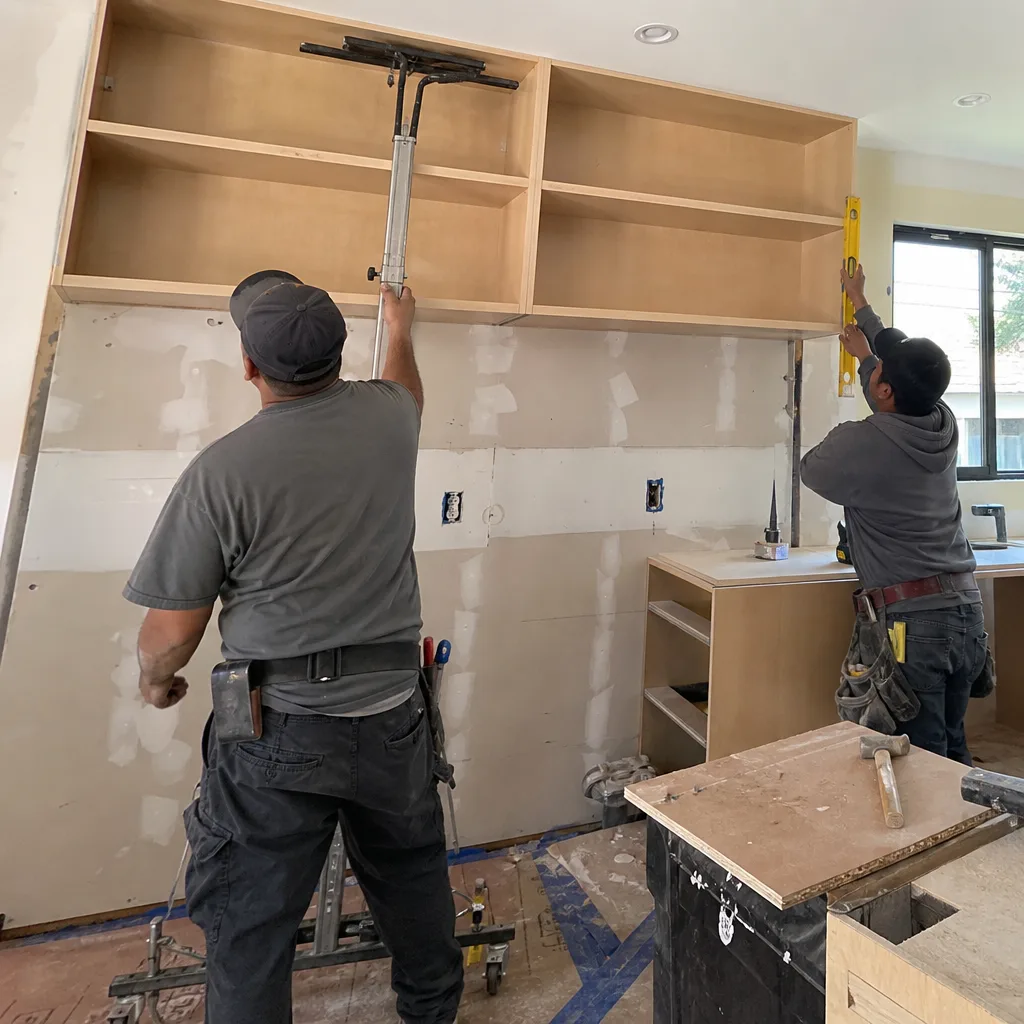
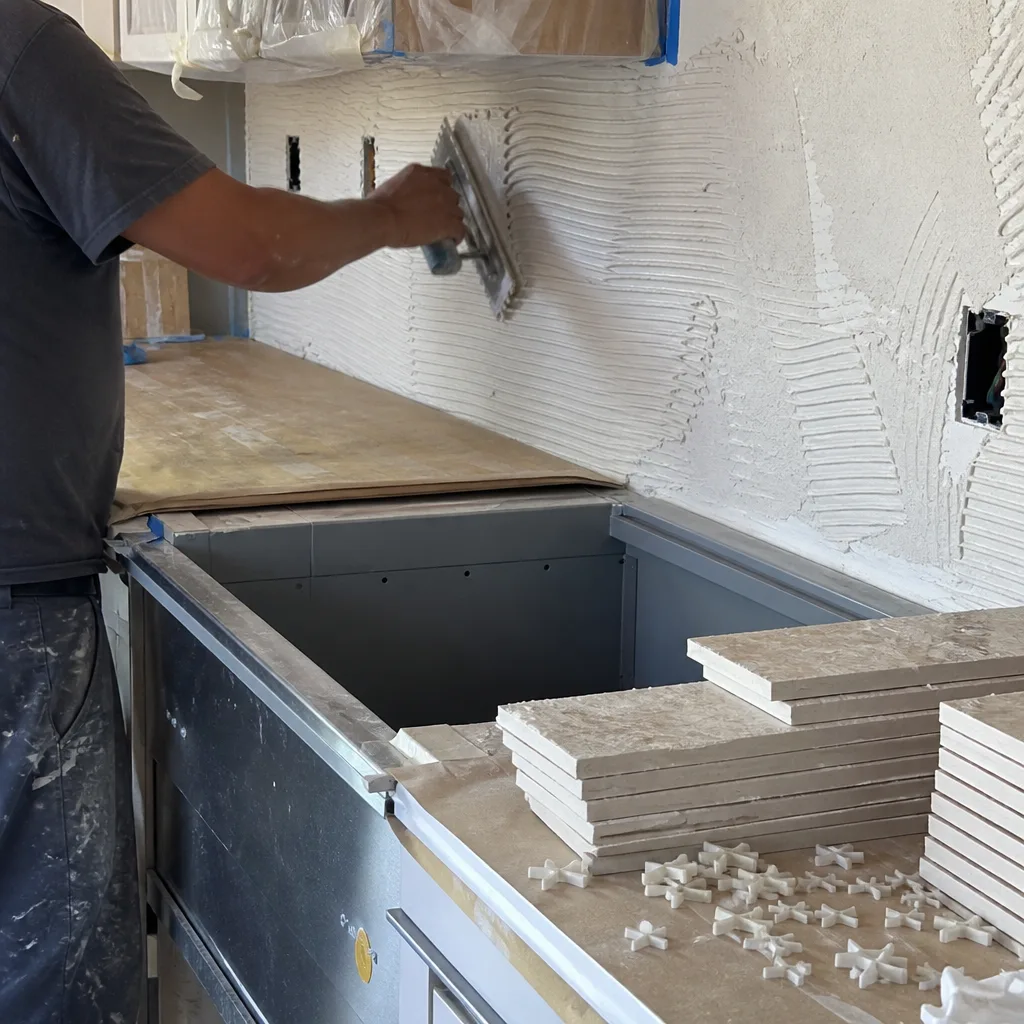
The financial case for DIY is strongest when labor is a high percentage of total cost, tools are minimal, and the work is easily reversible if done poorly. The case collapses when specialized tools, permit fees, and rework risk enter the calculation. Here are three Campbell projects with realistic numbers.
Project 1: Kitchen Tile Backsplash (30 square feet)
| Cost Component | DIY | Professional |
|---|---|---|
| Tile (ceramic, mid-grade) | $180-$240 | $180-$240 |
| Thinset and grout | $45-$60 | Included in labor |
| Schluter membrane (recommended for Campbell’s moisture variation) | $85-$110 | $85-$110 |
| Wet saw rental (1 day) | $55-$75 | N/A |
| Notched trowel, spacers, grout float | $35-$50 | N/A |
| Labor | 8-12 hours at $0 | $450-$650 |
| Total | $400-$535 | $715-$1,100 |
DIY savings: $315-$565, or roughly 40-50%. This is viable DIY territory. The work is non-structural, unpermitted in Campbell for a simple backsplash, and easily removed if the layout is wrong. The Schluter membrane, which we specify on most Campbell kitchen jobs because it handles the seasonal humidity swings between dry Santa Clara Valley summers and winter rains, adds cost but prevents the grout cracking we’ve seen in unmembraned installations after three to five years. Proper long-term care is covered in our Kitchen Remodeling Maintenance Checklist for Campbell Homeowners.
Project 2: Bathroom Vanity Replacement (relocating plumbing 24 inches)
| Cost Component | DIY | Professional |
|---|---|---|
| Vanity and top (Sterling or comparable) | $600-$900 | $600-$900 |
| Faucet (Kohler or American Standard) | $150-$280 | $150-$280 |
| Plumbing supplies, PEX, fittings | $75-$120 | Included |
| Permit (required for plumbing relocation in Campbell) | $180-$250 | $180-$250 |
| Plumber’s labor | 0 | $650-$950 |
| Drywall repair, texture match, paint | $80-$150 materials + 6 hours | $350-$500 |
| Tool purchase/rental (pipe cutter, crimper, level) | $120-$180 | N/A |
| Total | $1,205-$1,880 + 15-20 hours | $1,930-$2,880 |
DIY savings shrink to $725-$1,000, or roughly 30-40%, but the time investment is substantial and the permit requirement means the owner-builder liability attaches. If the PEX connection fails in two years and damages the subfloor, the homeowner faces the insurance exclusion we discussed. We’ve replaced three DIY vanity installations in Campbell’s Willow Glen-adjacent neighborhoods in the past eighteen months where the homeowner’s crimp ring failed or the shutoff valve was installed backward.
Project 3: Exterior Paint (2,000 square feet, two-story Campbell home)
| Cost Component | DIY | Professional |
|---|---|---|
| Paint (quality exterior, two coats) | $1,200-$1,600 | $1,200-$1,600 |
| Primer, caulk, patching compound | $250-$350 | Included |
| Scaffolding rental (2 weeks) | $400-$600 | N/A |
| Sprayer rental, brushes, rollers, drop cloths | $200-$300 | N/A |
| Labor | 60-80 hours | Included |
| Professional labor | $0 | $3,500-$5,000 |
| Total | $2,050-$2,850 + 60-80 hours | $4,700-$6,600 |
DIY savings: $2,650-$3,750, or roughly 50-60%. This is the strongest DIY case of the three, with no permit required for exterior repaint in Campbell, no structural or safety exposure, and work that is visually inspectable for quality. The scaffolding cost and time investment are real, however. Campbell’s two-story homes, particularly in the newer developments near the Pruneyard and along Hamilton Avenue, require 24-foot extension ladders or scaffolding for second-story eaves. Falls from that height generate emergency room bills that erase any paint savings immediately.
The pattern across these three projects: DIY saves money when the work is cosmetic, unpermitted, and low-consequence if failed. The savings narrow or invert when permits, plumbing, electrical, or height enter the equation.
How to Document Permissible DIY Work for Resale
For Campbell homeowners who do choose DIY on legally permissible projects, documentation is the difference between a smooth resale and a renegotiation. Here’s what to keep:
- Photo sequence with date stamps. Before, during, and after photos of every layer: substrate condition, material placement, finished surface. Use a phone with automatic date stamping or a timestamp camera app. Store in cloud backup, not just on the device.
- Material receipts with product specifications. Keep receipts for paint, tile, membrane, fasteners, and any tool purchases. Note the brand, product line, and coverage or rating. For paint, record the sheen and color formula. For tile, record the lot number in case future repairs need matching.
- Dated notes on process and conditions. A simple log: “June 14, 2024 - stripped existing paint to bare wood, repaired rot at window sill with two-part epoxy filler, primed with [product name], two finish coats applied 24 hours apart, temperature 72-78°F.” This demonstrates method, not just outcome.
- Manufacturer installation instructions followed. Print or save the PDF of the installation guide for any product used, and note where your work followed it. If you deviated, note why and what alternative method you used.
- Inspection records if any permit was pulled. Even for owner-builder permits, keep the inspection sign-off cards or electronic confirmation. In Campbell, inspections are logged in the city’s Accela system, but a printed record in your file accelerates any future title search.
This documentation does not eliminate the §1102 disclosure obligation for owner-builder permits. It does, however, give you evidence to rebut the presumption of liability if a defect is alleged. We’ve seen sellers in Campbell’s Westmont and Campbell Avenue corridors successfully defend against buyer claims because they could produce a photo record showing proper flashing detail or membrane installation. The sellers who struggled were those who had “a guy” do the work with no paper trail.
Warranty, Permit, and Inspection Realities
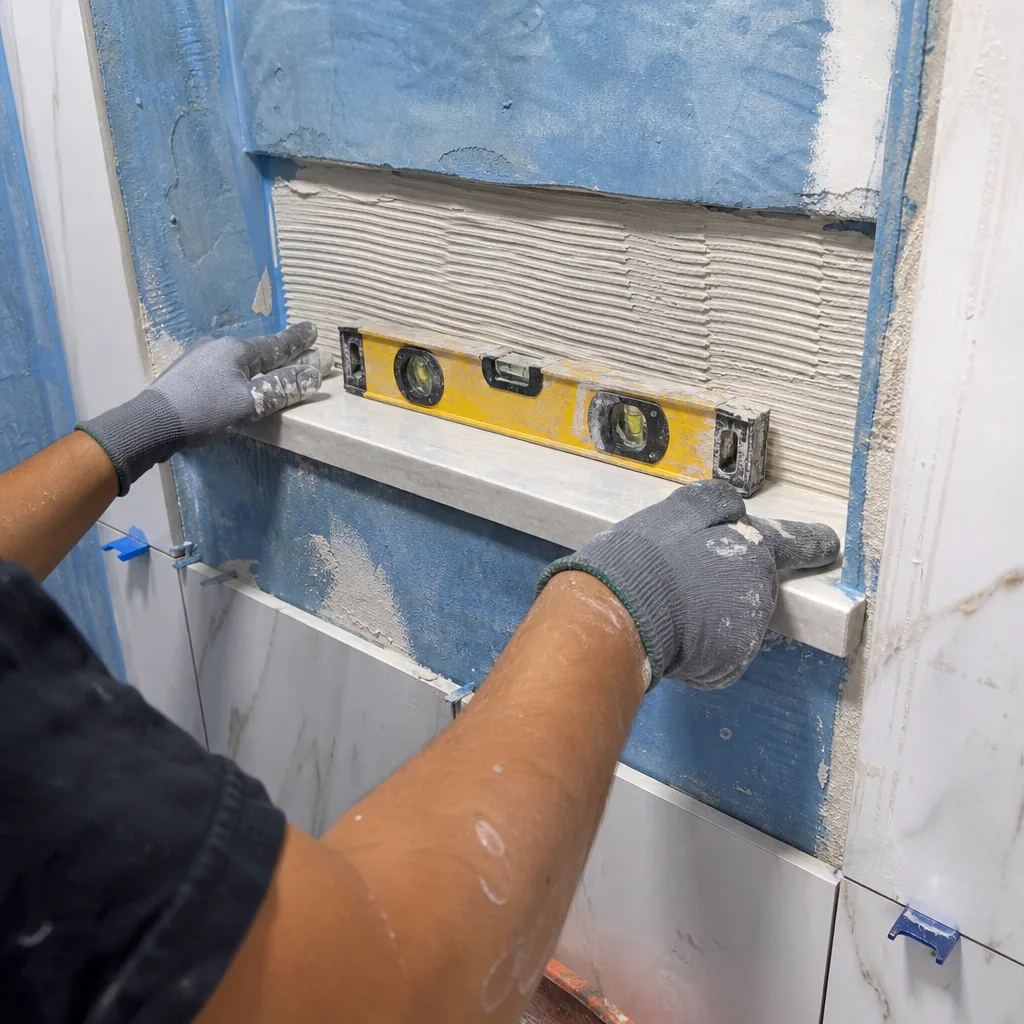
Professional construction work in California carries layered warranty obligations that DIY work cannot replicate. Understanding these layers helps explain why the price difference between DIY and professional is not purely labor markup.
A licensed contractor in Campbell must provide a one-year warranty on all work under Business and Professions Code §7101. This is a statutory minimum, not a voluntary promise. Many contractors, including Rowan Construction Group Campbell home, extend this significantly. Our 365-Day Done Right Promise, backed by The Haven Standard, means if it is not done right, we make it right. The guarantee is printed on every page and backed by a terms page, not an asterisk.
Beyond contractor warranty, manufacturer warranties on products often require professional installation. Toto toilet warranties require installation by a licensed plumber. GAF roofing warranties require installation by a GAF-certified contractor following specific nailing patterns and ventilation calculations. KraftMaid cabinet warranties cover defects in materials but exclude installation-related damage unless installed by an authorized dealer. DIY installation frequently voids these protections, leaving the homeowner with a defective $800 fixture and no recourse.
Permit and inspection architecture adds another layer. When Kitchen Remodeling in Campbell is done under a contractor’s permit, the city inspector verifies rough electrical, rough plumbing, and final completion. That inspection record becomes part of the property’s permanent file. Future buyers, insurers, and appraisers can verify that work was reviewed by a neutral third party. Owner-builder permits carry the same inspection requirement, but the liability presumption remains. Unpermitted work carries neither the inspection benefit nor the documentation, and is frequently discovered during pre-sale inspections when the seller has the least leverage to address it.
Campbell’s inspection queue varies seasonally. In our experience, rough inspections currently schedule 5-7 business days out, with finals running 3-5 days. Owner-builder permits do not receive priority treatment; the queue is the same. The practical difference is that professional contractors have relationships with inspectors that smooth common issues, while owner-builders often require multiple re-inspections at $150-$200 per visit for items a contractor would have caught.
Common Mistakes to Avoid
- Assuming “cosmetic” means “unpermitted.” In Campbell, replacing a bathroom vanity in the same location is often unpermitted, but moving it 18 inches triggers plumbing permit requirements. Many homeowners complete the work, then discover the permit issue at resale when the buyer’s inspector notes the discrepancy between original and current layout.
- Using online permit research as legal advice. Campbell’s municipal code incorporates California Building Code amendments specific to seismic bracing, energy efficiency, and fire separation that differ from neighboring San Jose or Los Gatos. What is permitted in one jurisdiction may require a permit in Campbell.
- Skipping the CSLB license check. Homeowners who decide to hire a “handyman” to save money over a full contractor often hire someone who is actually unlicensed for the scope. Any project over $500 in labor and materials requires a state license. Verify at cslb.ca.gov; the 30 seconds is worth the protection.
- Underestimating tool amortization. A DIYer who buys $400 in tools for a single project and never uses them again has added $400 to that project’s true cost. Professional contractors amortize tool costs across hundreds of projects, which is part of why their labor rates are not pure profit.
- Failing to match Campbell’s climate-specific requirements. The Santa Clara Valley’s temperature swings, 20°F in winter to 95°F in summer, cause material expansion and contraction that inland California guidelines don’t address. Exterior caulks, paint primers, and concrete mixes specified for Campbell’s climate zone prevent the cracking and separation we’ve seen in DIY work using generic national instructions.
- Neglecting to document even “simple” projects. The three-coat paint system you applied in 2023 becomes a mystery to the 2027 buyer. Without receipts and photos, they assume the cheapest single-coat application and price accordingly.
- Confusing “I can do this” with “I can do this to code.” Competent homeowners can execute many construction tasks adequately. Code compliance requires knowledge of current amendments, inspection sequencing, and documentation standards that change every three years with new code cycles. The 2022 California Building Code introduced significant energy efficiency requirements that affect even minor remodels.
When to Call a Professional
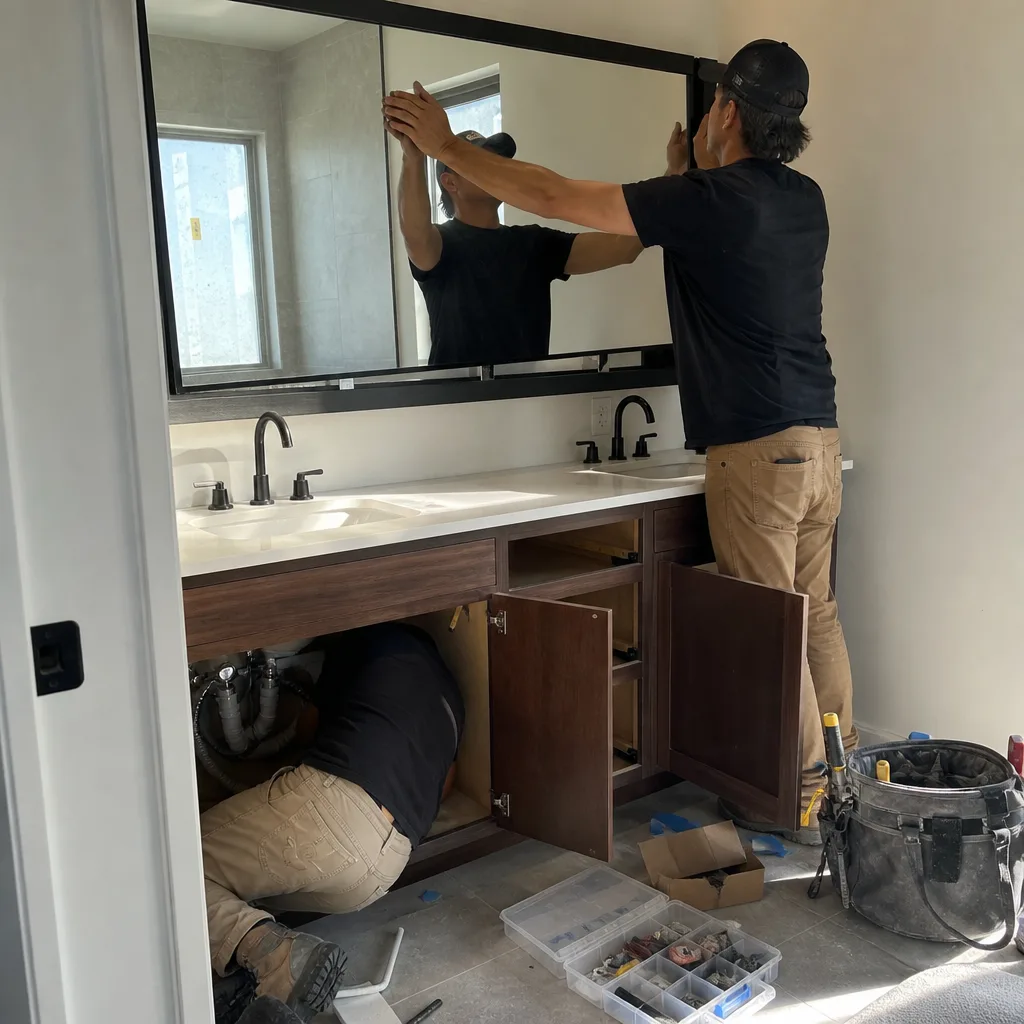
Call a licensed contractor when the project involves permits, structural elements, electrical or gas work, or any work that will be inspected and disclosed at resale. The cost of professional work includes insurance, warranty, and liability transfer that DIY cannot replicate.
Specifically in Campbell: if your home was built before 1985 and you’re considering a kitchen or bathroom update, assume asbestos and lead testing will be required before demolition. If your project involves the roofline, assume structural observation will be required. If you’re adding square footage or converting a garage to an ADU, assume full plan review, engineered drawings, and multiple inspection phases.
Rowan Construction Group Campbell home offers free estimates in Campbell. Every project is quoted with a flat written price and written scope before work begins. No change proceeds without a signed change order. Call (831) 704-1211 to schedule your free estimate, or bring a competitor’s written quote for our Free Second Opinion review.
Frequently Asked Questions
A mid-range kitchen remodel in Campbell currently runs $75,000 to $120,000 for a 150-200 square foot space, including cabinetry, countertops, appliances, flooring, and permit-ready electrical and plumbing updates. High-end finishes with custom cabinetry and stone countertops push the range to $140,000-$180,000. Kitchen Remodeling in Campbell with Rowan Construction Group includes a written flat price before work starts, with no change order processed without your signature. Call (831) 704-1211 for an exact quote - estimates are free.
Yes, as an owner-builder, but doing so triggers the Civil Code §1102 disclosure obligation if you sell within five years, and the work must still meet all California Building Code requirements including inspections. For Bathroom Remodeling in Campbell involving plumbing relocation, electrical changes, or structural modification, the permit complexity often exceeds what homeowners expect. Call (831) 704-1211 to discuss whether owner-builder or contractor-permitted makes sense for your specific scope.
Probably not. Standard HO-3 policies exclude damage from “faulty, inadequate, or defective construction,” which includes unlicensed plumbing work. The exclusion applies even if the damage was accidental and even if the homeowner is otherwise competent. Licensed plumbers carry insurance that would cover such damage; DIY work leaves the homeowner self-insured for the full remediation cost.
Visit cslb.ca.gov and use the “Instant License Check” feature. Enter the contractor’s license number or business name. Verify the license is active, the bond is current, and workers’ compensation insurance is on file if the contractor has employees. For Roofing in Campbell or any trade, this 60-second check is the most important due step a homeowner can take.
Unpermitted work must be disclosed on the Transfer Disclosure Statement, and most buyers will require it be permitted retroactively or receive a credit for the cost to do so. Retroactive permitting in Campbell requires opening walls for inspection, which often costs more than original permitted work. In competitive markets, unpermitted work can be a deal-killer; in slower markets, it becomes a significant negotiation liability.
Yes. Our 365-Day Done Right Promise, backed by The Haven Standard, means if it is not done right, we make it right. Under Clause 1, the price is written before anyone starts. Every project finishes with a documented photo record included as standard, not an upgrade, and a written warranty with terms you can read before signing. This applies across all seven trades, from kitchen and bathroom remodeling to roofing, windows, fences, pavers, and home additions including ADUs.
The Bottom Line
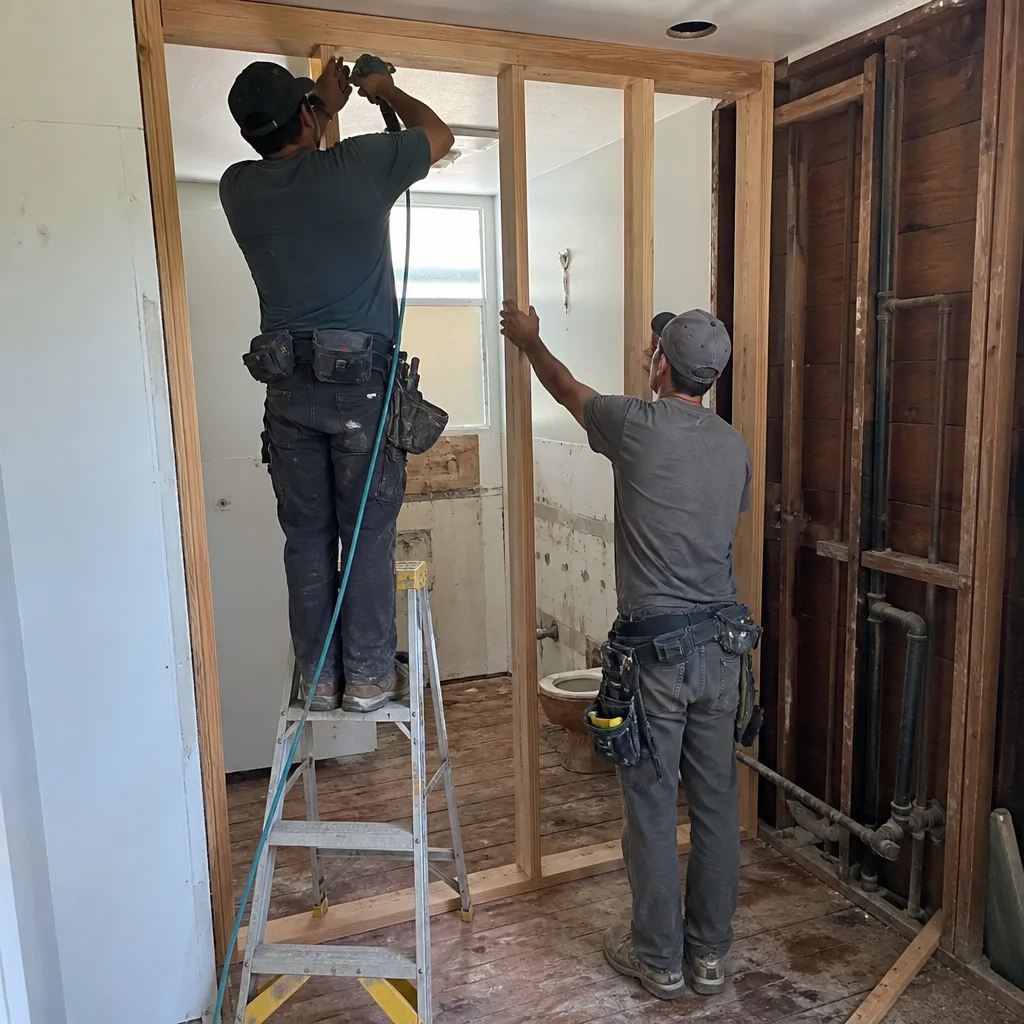
DIY construction in Campbell is a legitimate option for low-risk, cosmetic, unpermitted projects where tool costs are modest and failure is reversible. The financial savings are real on painting, simple tile work, and basic landscaping. But California law and standard insurance policies create a hard boundary around electrical, gas, structural, and permitted work that makes DIY financially dangerous regardless of the homeowner’s skill. The owner-builder permit, while legally available, carries a five-year resale liability presumption that most homeowners discover too late. For additional guidance, explore our more guides & resources. Professional contractors exist not because homeowners are incompetent, but because the legal, insurance, and warranty architecture of construction work is designed around licensed, bonded, insured execution. When the project crosses into permitted trades, the question is not whether you can do it yourself. It is whether you can afford to be your own insurer, warranty provider, and legal defense if something goes wrong.
Written by Grant Rowan, Owner at Rowan Construction Group Campbell, serving Campbell since 2007.