
Last updated September 25, 2026
Free written scope consultation - allowances, timeline, and change-order rules on paper before a single trade is scheduled
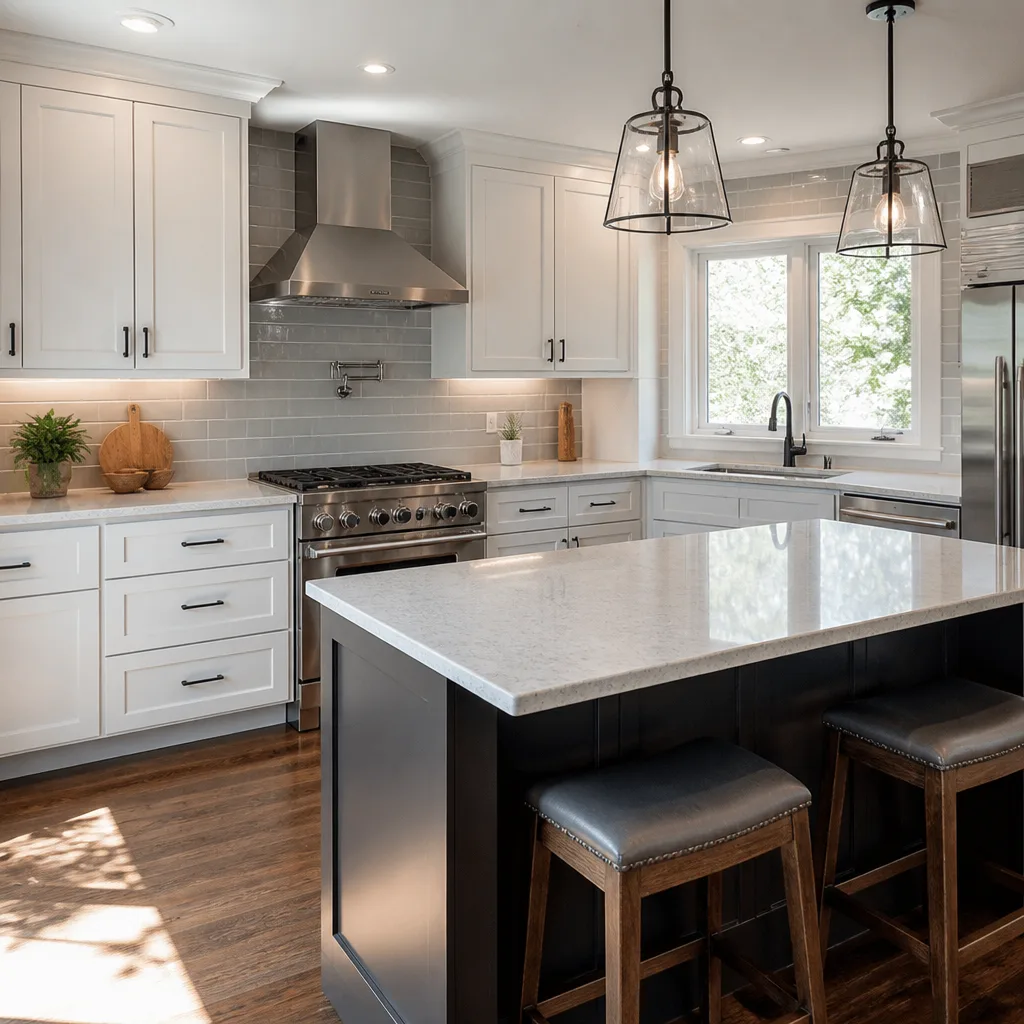
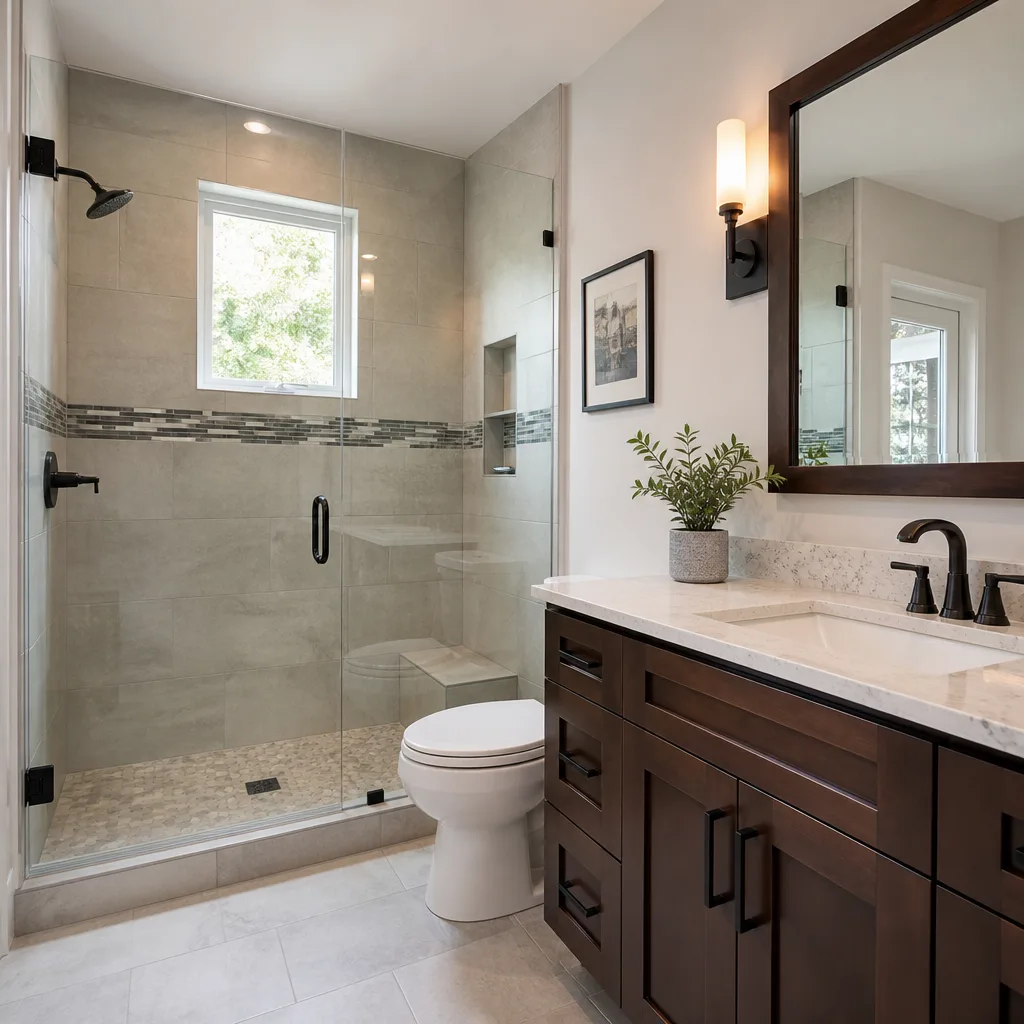


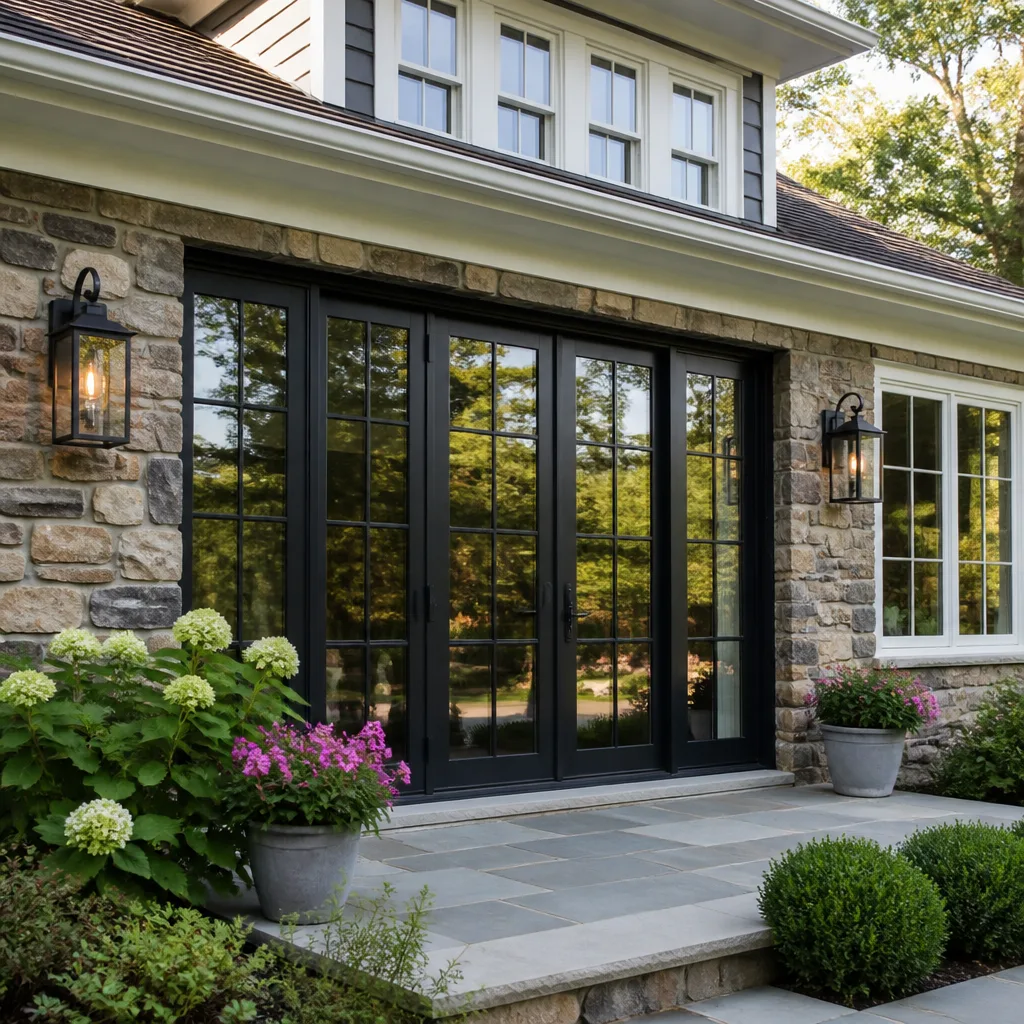
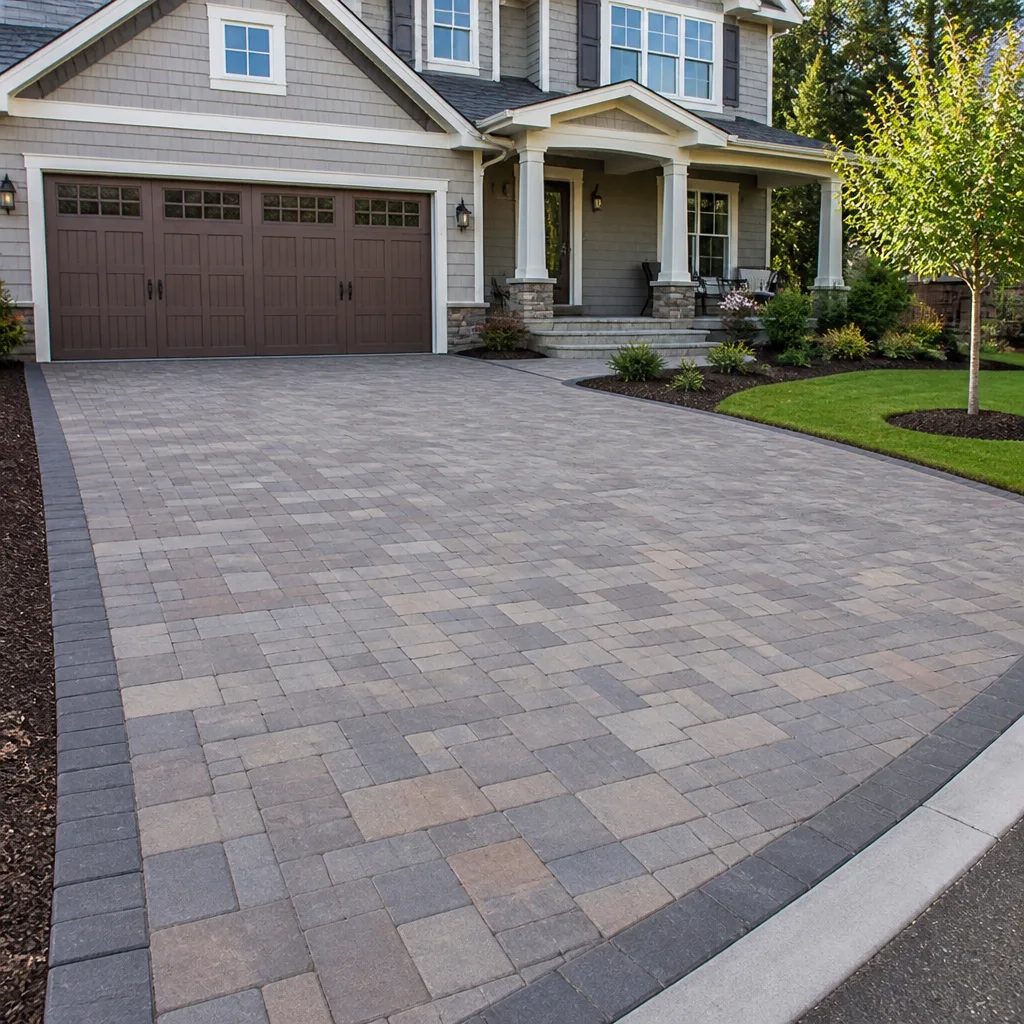
 Before
 After
After Before
 After
After Before
 After
AfterHow to Hire a Construction Contractor in Campbell: A Step-by-Step Guide
California’s CSLB database shows license status, bond amount, and any arbitration history for every contractor in the state - and it takes 90 seconds to check, yet most homeowners skip it entirely. In Campbell, where the median home value sits well above $1.5 million and a kitchen remodel can run $75,000 to $150,000, that 90-second check is the cheapest insurance you’ll ever buy. This guide - alongside our Complete Guide to Construction in Campbell - gives the exact sequence we’ve used to evaluate subcontractors and competitors since 2007: license verification, insurance documentation, scope-of-work analysis, and contract structure that prevents the disputes we see in the three-star reviews.
Quick Answer
To hire a construction contractor in Campbell, verify their CSLB license and classification match your project type, request three insurance documents with specific coverage limits, demand a written scope of work with fixed allowance amounts, and require signed change orders before any extra work proceeds. The right contractor will produce all four without being asked twice.
Table of Contents
- Step 1: Verify the CSLB License and Classification
- Step 2: Request and Read the Three Insurance Documents
- Step 3: Demand a Written Scope of Work - and Read What It Omits
- Step 4: Structure the Contract for Cost Control
- Step 5: Compare Bids Using Identical Scope Documents
- Step 6: Check Campbell-Specific References and Completed Work
- Step 7: Establish Communication Protocols Before Work Starts
- Common Mistakes to Avoid
- When to Call a Professional
- Frequently Asked Questions
- The Bottom Line
 Before
 After
AfterStep 1: Verify the CSLB License and Classification
Every contractor in California must hold a license from the Contractors State License Board for projects over $500. The database at cslb.ca.gov is public, free, and updated in real time. Here’s what to check and why it matters for Campbell homeowners specifically.
How to Run the Verification
- Go to cslb.ca.gov and click “Check a License.”
- Enter the business name or the six- or seven-digit license number.
- Verify these four fields: Status (must read “Active”), Classification (must match your project), Bond History (look for lapses), and Arbitration History (disputes filed against the license).
A suspended status means the contractor cannot legally pull permits or sign contracts. A lapsed bond, even if later reinstated, indicates a cash-flow problem or administrative neglect that correlates with project delays. We’ve seen Campbell homeowners discover a “Active” status on the contractor’s website that didn’t match the CSLB record - the site hadn’t been updated since the prior suspension.
Understanding Classification Codes for Full Construction Projects
California uses specific codes that limit what a contractor can legally perform. For most Campbell residential projects, you’ll encounter these:
- B - General Building Contractor: Can oversee entire projects involving two or more unrelated trades. Required for kitchen remodeling in Campbell, whole-home renovations, and home additions including ADUs. A B contractor can self-perform some work but must subcontract trades outside their specific classifications.
- C-8 - Concrete Contractor: Licensed for foundations, flatwork, and structural concrete. Relevant for additions, ADU slabs, and driveway replacement in Campbell’s clay-heavy soil zones.
- C-36 - Plumbing Contractor: Required for any water, sewer, or gas line work. Kitchen and bathroom remodeling in Campbell always triggers C-36 scope.
- C-20 - Warm-Air Heating, Ventilating and Air-Conditioning Contractor: Handles HVAC duct modifications, which are common in Campbell’s older Ranch-style homes where original systems weren’t designed for modern loads.
A contractor holding only a C-36 who offers to manage your full kitchen remodel is operating outside their license. That’s not a technicality - it’s voided insurance coverage and unenforceable warranties. We’ve reviewed competitor bids where a C-10 electrical contractor proposed to “coordinate” a full addition; the CSLB complaint history on that license showed three prior citations for unlicensed activity.
What Lapsed or Suspended Means in Practice
A lapsed license means the contractor stopped paying renewal fees or failed to maintain the required $25,000 bond. During the lapse, any contract signed is voidable by the homeowner, and permits pulled are invalid. Suspension follows specific disciplinary action - often for abandonment, fraud, or unlicensed subcontracting. In Campbell’s permit-intensive environment, where the city requires plan check for additions over 500 square feet and fire department review for ADU egress, an invalid license stops work cold and can force demolition of unpermitted construction.
Check the “Pending, Current and Past Disciplinary Actions” section. Even resolved actions reveal patterns. Multiple citations for contracting without a license suggest a business model built on legal margins.
Step 2: Request and Read the Three Insurance Documents
License verification confirms legal authority. Insurance verification confirms financial protection when something goes wrong. We require every subcontractor on our Campbell jobs to produce these three documents before they step on site, and homeowners should demand the same from any general contractor.
The Three Required Documents
- Certificate of General Liability Insurance: Names the contractor as insured, shows policy number and expiration date, and lists coverage limits. For projects over $50,000 in Campbell, minimum $1 million per occurrence and $2 million aggregate are standard. The certificate should name you as “additional insured” for the project duration - not just the contractor’s policy period.
- Certificate of Workers’ Compensation Insurance: California requires this for any contractor with employees. The certificate shows policy number, expiration, and whether the policy includes waiver of subrogation. If a worker is injured on your property and the contractor lacks coverage, your homeowner’s policy becomes the primary payer, and your premiums reflect that claim for years.
- Additional Insured Endorsement: A separate document, not just a box checked on the certificate. This endorsement makes the insurance company liable to you directly for claims arising from the contractor’s work. Without it, you have no contractual right to the insurer’s defense or payment.
Request these documents directly from the contractor’s insurance broker, not from the contractor. A PDF forwarded from a Gmail account can be altered. The broker’s email domain should match the insurance company’s. We’ve caught expired certificates presented as current, and certificates with coverage limits that didn’t match the policy itself.
Coverage Limits for Campbell’s Market
Campbell’s construction costs run 15-25% above national averages, driven by Silicon Valley labor rates and material logistics. Adjust coverage expectations accordingly:
- Projects $50,000-$150,000: $1 million/$2 million general liability minimum
- Projects $150,000-$500,000: $2 million/$4 million, with excess/umbrella policy
- Projects over $500,000: $5 million aggregate, professional liability if design-build
The contractor’s policy should also name Campbell’s specific project address, not just “various locations in Santa Clara County.” Location-specific coverage prevents disputes about whether your job site was included in the policy period.
Step 3: Demand a Written Scope of Work - and Read What It Omits
The scope of work is the document that determines what you pay, what you get, and what fights about. A well-written scope is specific enough that two different contractors could price it identically. Most disputes we review for Campbell homeowners stem not from what the scope includes, but from what it leaves undefined.
Red Flags in Scope Language
- “Allowance” without a fixed dollar amount: An open allowance means the contractor selects materials up to an unspecified price, then bills you for overages. Demand: “Tile allowance: $8/sq. ft. installed, based on Dal-Tile or equivalent.” The brand name and price cap are both essential.
- “Similar work as needed” or “contractor’s discretion”: These phrases transfer all cost risk to you. Every task should have a quantity, unit price, and completion standard. “Repair drywall as needed” becomes “Patch and texture drywall in two locations, maximum 4′ x 8′ each, to match existing orange-peel finish.”
- Exclusion language buried in fine print: “Excludes permit fees, utility connections, and finish carpentry” means your $75,000 kitchen quote is missing $8,000-$15,000 in necessary costs. In Campbell, where PG&E connection fees for ADU electric service can exceed $4,000, these exclusions are material.
- No reference to manufacturer installation requirements: GAF, CertainTeed, Owens Corning, and IKO all publish specific nailing patterns, underlayment requirements, and ventilation calculations. A roofing scope in Campbell that doesn’t cite the manufacturer’s spec sheet is a scope that voids the material warranty.
The Documentation Standard We Apply
Under Clause 1 of The Haven Standard, Rowan Construction Group delivers a written scope with every quote. That scope includes: line-item quantities and unit prices; brand names or “equivalent” specifications with the substitution approval process; a permit and inspection schedule showing Campbell’s plan-check timeline; and a photo documentation protocol - included as standard, not an upgrade - showing existing conditions before work begins.
The photo record matters because it establishes the baseline. If your 1950s Campbell home has lath-and-plaster walls with no backing for tile, the pre-work photo proves the condition existed before demolition. Without it, the contractor’s change order for “unexpected substrate condition” is harder to dispute.
Step 4: Structure the Contract for Cost Control
California Business and Professions Code §7159 governs home improvement contracts. It requires specific disclosures, a three-day right to cancel, and - critically - written change orders for any work beyond the original scope. The statute is protective, but only if your contract incorporates it explicitly.
The Signed Change-Order Requirement
Section 7159.5 states that any change exceeding $500 or 10% of the contract price (whichever is less) must be in writing and signed by both parties. Oral agreements are unenforceable. Yet we regularly review Campbell contracts where the change-order clause reads: “Changes will be documented and approved by homeowner.” That’s not §7159.5 compliance - it doesn’t require signatures, it doesn’t set the dollar threshold, and it doesn’t make oral changes void.
Write this clause into your contract, or insist your contractor does:
“No work shall proceed on any change, addition, or deletion from the scope of work until a written change order, signed by both contractor and owner, is executed. Oral authorizations for changed work are expressly void and unenforceable. This clause supplements California Business and Professions Code §7159.5.”
This is the administrative discipline Haven acquired Rowan for in 2007. Across 4,000-plus projects, requiring signed change orders before any changed work proceeds has kept final invoices within a few percent of the original written price. The contractors who skip this step are the ones generating the “price doubled mid-project” reviews.
Payment Schedule Structure
California limits down payments to 10% or $1,000, whichever is less, for home improvement contracts. Progress payments should tie to inspection milestones, not calendar dates:
- 10% at contract execution (maximum)
- 25% at rough inspection approval (electrical, plumbing, framing)
- 25% at insulation/drywall inspection
- 35% at final inspection and certificate of occupancy
- 5% retention for 30 days post-completion (or per contract terms)
A contractor demanding 50% upfront to “secure materials” is either undercapitalized or structuring cash flow from your job to finish the prior one. In Campbell’s competitive market, materials for standard kitchen cabinets or GAF roofing shingles are available within two weeks - no deposit beyond the statutory minimum is justified.
Step 5: Compare Bids Using Identical Scope Documents
The most common error in contractor selection: comparing three self-written proposals with different scopes, different specifications, and different assumptions. A $68,000 bid with Cambria countertops and permit fees included is not comparable to a $52,000 bid with “countertop allowance TBD” and “permits excluded.” The $52,000 bid is probably more expensive.
The Comparison Framework
- Write the scope yourself, or hire an architect: For projects over $75,000 in Campbell, a $3,000-$5,000 architect’s scope of work is cheaper than a $20,000 pricing surprise. The scope should specify: room dimensions; demolition extent; electrical circuit count and amperage; plumbing fixture locations with rough-in dimensions; finish materials with brand and model; and appliance specifications with cut-sheet requirements.
- Send identical documents to each bidder: Same PDF, same date stamp, same addenda. If Bidder A questions a specification, share the question and answer with Bidders B and C.
- Require line-item pricing: Lump-sum bids hide margin allocation. Line-item pricing lets you evaluate whether a contractor is profitable on labor (sustainable) or padding materials (not transparent).
- Normalize for duration: A 6-week kitchen remodel and a 10-week kitchen remodel have different carrying costs if you’re paying for temporary housing. Campbell’s extended-stay rates near Highway 17 run $120-$180 nightly.
- Verify that each bidder priced the same permit scope: Campbell requires separate permits for building, electrical, plumbing, and mechanical. Some contractors include only the building permit in their base price, adding others as “permit upgrades.”
What the Lowest Bid Actually Signals
In our experience reviewing competitor quotes for Campbell homeowners, the lowest bid typically indicates one of four conditions: omitted scope items that will appear as change orders; lower-grade materials substituted without disclosure; underestimated labor hours leading to rushed work or crew abandonment; or a contractor using your job to maintain cash flow while pursuing larger projects. None of these save money.
The Free Second Opinion we offer exists for this scenario. Bring any written estimate and we’ll review it line by line against the scope documents, at no charge. We’ve found $12,000 in omitted electrical upgrades on a “competitive” ADU bid and a roofing quote that specified IKO Cambridge shingles at the price of IKO Marathon Ultra - a 40% product downgrade hidden in model-number similarity.
Step 6: Check Campbell-Specific References and Completed Work
License, insurance, and contract structure filter out the obviously unqualified. References filter out the technically competent but operationally chaotic. In Campbell specifically, certain project types and conditions reveal contractor capability that generic references miss.
What to Ask References
- “Did the crew arrive when stated, and if not, how much notice did you receive?” Punctuality correlates with project management systems, not personality. Campbell’s narrow residential streets and limited parking near downtown and the Pruneyard complicate logistics - a contractor who doesn’t account for this in scheduling will fall behind.
- “What documentation did you receive at project completion?” The answer should include: final inspection approvals; photo record of completed work; manufacturer warranty registrations; and a written warranty from the contractor. If the reference received a handshake and a business card, your project will likely end the same way.
- “Was there any change order you disputed, and how was it resolved?” Every project has changes. The question is whether they were documented, priced, and signed before work proceeded. A reference who says “they just did it and we worked it out later” either got lucky or hasn’t discovered the cost yet.
- “How did the crew handle Campbell’s specific conditions?” Ask about: working in tight setbacks common in the Campbell Avenue corridor; coordinating with Valley Water for sewer lateral work; or navigating the city’s mixed zoning where R-1 and R-2 districts have different setback and height requirements.
Site Visits to Completed Work
For projects over $100,000, request a site visit to a completed job in Campbell or adjacent San Jose, Los Gatos, or Saratoga. Look at: caulk lines in bathroom corners (consistent bead width indicates steady hand and time allocation); tile layout symmetry around fixtures (reveals planning versus improvisation); and roof shingle alignment at valleys (shows whether the crew followed manufacturer specs or cut corners). These details don’t appear in portfolio photos, which are staged and lit.
Step 7: Establish Communication Protocols Before Work Starts
The final filter is operational: how information flows once the contract is signed. Miscommunication causes more disputes than malice. A contractor who answers calls randomly and sends verbal updates via text is manageable for a $3,000 fence repair. For a $120,000 whole-home renovation in Campbell, it’s a liability.
Minimum Communication Standards
- Single point of contact: One project manager with authority to approve change orders and schedule inspections. Not a rotating crew lead, not the owner’s nephew who “helps with admin.”
- Written daily or weekly updates: Email or text summary of work completed, work scheduled, and any issues requiring decision. These updates become the project record if disputes arise.
- Photo documentation on every visit: Included as standard, not optional. The customer receives dated photos of progress, problems found, and completed work. In Campbell’s moisture-variable climate, where winter rains can expose flashing defects that summer sun hides, the photo record preserves evidence of conditions at specific dates.
- Response time commitment: 24 hours for non-emergency questions; same day for safety or weather-related issues. A live person answering calls 24/7, as we maintain, means emergency water shut-offs or security concerns get immediate attention even when the project manager is on another site.
Document these protocols in the contract addendum, not in a separate “customer service pledge” with no contractual weight. If the contractor won’t commit to written communication standards, that refusal is information about how they manage projects.
Common Mistakes to Avoid
- Skipping the CSLB check because the contractor “came recommended.” A neighbor’s positive experience from 2019 doesn’t reflect current license status, bond condition, or recent disciplinary action. We’ve seen Campbell homeowners hire contractors with active suspensions because the referral was from a trusted source.
- Accepting “fully insured” without seeing certificates. This phrase has no legal meaning. Every certificate has an expiration date, coverage limits, and specific exclusions. “Fully insured” without documentation is a signal, not a fact.
- Signing a contract with open-ended allowances. The $500 “tile allowance” from 2019 doesn’t cover current material costs, and the contractor knows it. Fixed allowances with brand specifications prevent the $3,000 surprise at the design center.
- Comparing bids without normalizing scope. The $15,000 spread between two kitchen bids usually disappears when you add back the omitted items from the lower proposal. Use the comparison framework in Step 5.
- Paying ahead of inspection milestones. California’s 10% down payment limit exists because homeowners who pay 50% upfront have no leverage if the contractor abandons the job. Campbell’s small-claims court backlog means recovery takes 18-24 months.
- Verbal change orders during construction. The pressure to “just get it done” is real, especially when you’re living in construction dust. Under Clause 1 of The Haven Standard, no work proceeds on a change until the change order is signed - the administrative discipline that has kept our projects within a few percent of the agreed price since 2007.
- Ignoring Campbell-specific permit requirements. The city’s Planning Division requires design review for certain exterior alterations in the historic corridor near Campbell Avenue. A contractor who pulls a building permit without checking planning requirements can trigger a stop-work order that adds weeks.
When to Call a Professional
Call a licensed contractor when the project involves structural modification, electrical or plumbing work, or permit requirements - which describes most Campbell renovations given the city’s enforcement standards. DIY painting or cosmetic updates are within most homeowners’ capacity. DIY electrical panel upgrades or load-bearing wall removal are not, and the liability exposure exceeds any potential savings.
Specific scenarios that warrant immediate professional consultation: foundation settlement visible in cracked slab or sticking doors; roof leaks during winter rains that indicate membrane or flashing failure; any project requiring Campbell building department plan check, which currently runs 4-6 weeks for residential additions; and pre-purchase renovation assessments for homes built before 1980, when asbestos and lead-based paint regulations apply.
Rowan Construction Group Campbell offers free estimates in Campbell - call (831) 704-1211. We also provide a Free Second Opinion on any written estimate from another contractor, reviewed line by line against your scope documents at no charge.
Frequently Asked Questions
A kitchen remodel in Campbell typically ranges from $75,000 to $150,000 for a full renovation including cabinets, countertops, appliances, electrical, and plumbing, with mid-range finishes from brands like KraftMaid or Wellborn cabinets and Cambria or Caesarstone countertops. For ongoing care after project completion, see our Kitchen Remodeling Maintenance Checklist for Campbell Homeowners. The range reflects Campbell’s Silicon Valley labor rates and the complexity of older homes in neighborhoods near downtown, where galvanized plumbing and ungrounded circuits are common. Call (831) 704-1211 for a written price before any work starts - estimates are free.
The price should not change for the scope you’ve agreed to, but it will change if you add work or if hidden conditions exist that no reasonable inspection could reveal. The protection is: fixed allowances with brand specifications; a signed change order required before any additional work; and a documented photo record of existing conditions. Under The Haven Standard, no change proceeds without a signed change order, which is why our projects finish within a few percent of the original written price. Call (831) 704-1211 to review how this applies to your specific project.
Rowan Construction Group pulls all permits as part of our standard process, including building, electrical, plumbing, and mechanical permits through Campbell’s Building Division. The permit costs are included in our written quote, not added later. A homeowner who pulls their own permits becomes the “owner-builder” under California law, assuming liability for code compliance and workers’ compensation coverage that the contractor’s policy would otherwise provide.
A home addition or ADU in Campbell typically requires 4-6 weeks for plan check and permit issuance, followed by 4-6 months of construction for a 500-square-foot unit, depending on foundation type, utility connections, and inspection scheduling. Campbell’s Planning Division coordinates with Santa Clara County for certain utility approvals, which can add 2-3 weeks. The timeline in your written quote includes these municipal intervals, not just construction days.
Campbell’s climate - wet winters with intermittent heavy rain, dry summers with UV exposure - requires a roofing scope that specifies underlayment type (synthetic vs. felt), ventilation calculation per attic square footage, and manufacturer installation requirements for your chosen shingle brand. Our Seasonal Construction Care for Campbell covers additional year-round maintenance priorities. GAF, CertainTeed, Owens Corning, and IKO all have specific nailing patterns and accessory requirements that must be followed for warranty validity. The contractor should also verify that your attic insulation doesn’t block soffit ventilation, a common condition in Campbell’s 1960s-1970s Ranch homes. Call (831) 704-1211 for a written roofing quote that includes these specifications.
Request the certificate directly from the insurance broker, not from the contractor, and verify the broker’s email domain matches the insurance company. Call the insurer’s customer service number (not a number on the certificate) to confirm the policy is active and the coverage limits match the certificate. For projects over $50,000, request the additional insured endorsement as a separate document - the certificate alone doesn’t give you direct rights against the insurer.
An estimate is a preliminary number based on assumed conditions, often given before full site investigation. A written price under The Haven Standard is a flat price with a written scope, valid for a defined period, based on documented existing conditions and specific material selections. “Call for a quote” is not an option at Rowan Construction Group - the price is written before anyone picks up a tool, every time, on every trade. Call (831) 704-1211 to schedule the site visit that produces your written price.
The Bottom Line
Hiring a contractor in Campbell is a document exercise that happens before anyone picks up a tool. The sequence matters: CSLB verification first, insurance documentation second, scope-of-work scrutiny third, contract structure fourth, and only then does price comparison become meaningful. Each step filters out contractors who can’t or won’t operate transparently. The ones who remain - who produce licenses without prompting, insurance certificates from their broker, and written scopes with fixed allowances - are the contractors who finish projects within a few percent of the number they quoted. That’s not optimism; it’s the documented record we’ve built across 4,000-plus projects since 2007.
Written by Grant Rowan, Owner at Rowan Construction Group Campbell, serving Campbell since 2007.