
Last updated September 25, 2026
Free written scope consultation - allowances, timeline, and change-order rules on paper before a single trade is scheduled
 Before
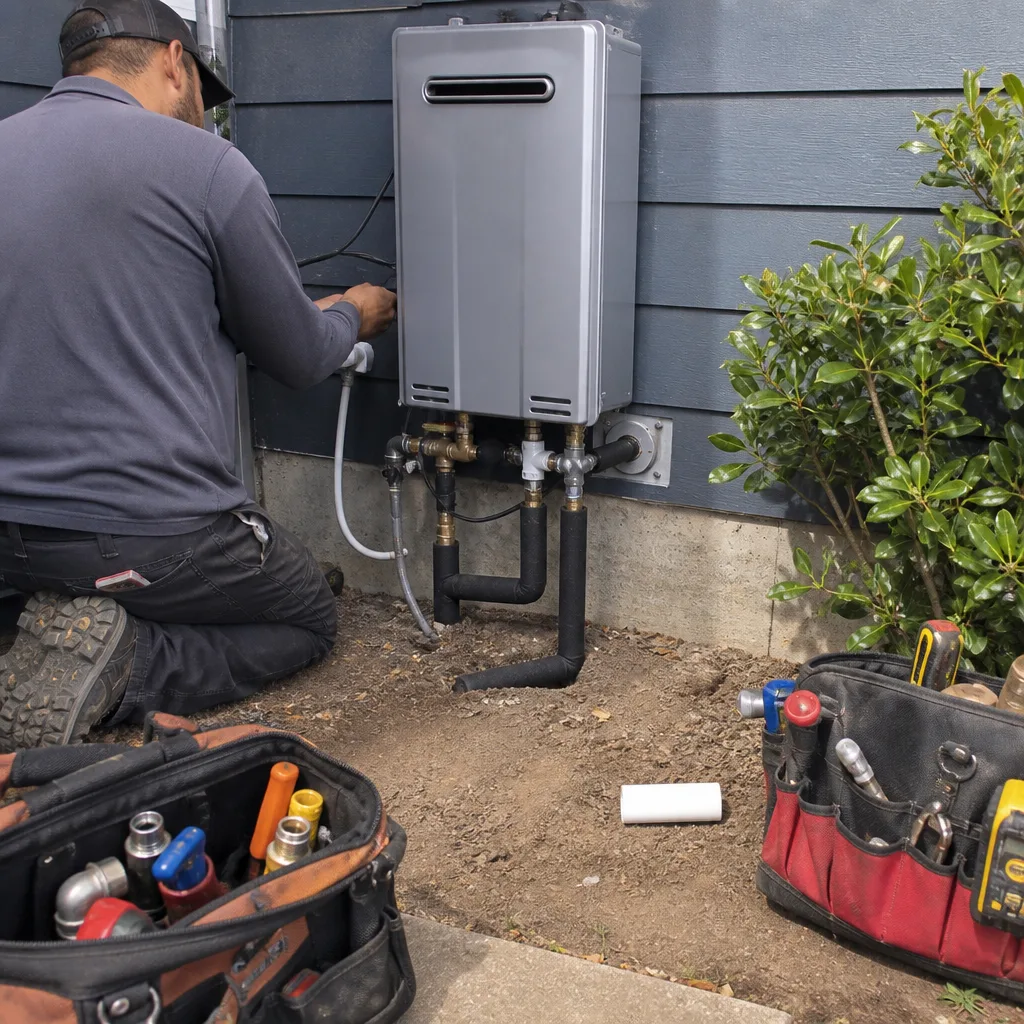 After
After Before
 After
After Before
 After
AfterThe Complete Guide to Construction in Campbell
Most Campbell homeowners start with a Pinterest board and a contractor’s quote. They find out about permit timelines later, usually when the crew is already on order. The median permit review window in Santa Clara County runs 6-10 weeks for over-the-counter submittals and up to 16 weeks for projects requiring plan check. That is not a footnote. It is the variable that determines whether your kitchen remodel finishes before Thanksgiving or after New Year’s. In this guide, we will map the actual constraints that shape construction in Campbell: the expansive clay soils in lower elevations, the city-county permit split, the seven trades and their licensing requirements, material lead times from named distributors, and what a complete project file looks like from signed contract to final lien release. For Construction Warning Signs: A Campbell Homeowner’s Reference Guide, see our companion resource. You will leave with numbers you can screenshot and a timeline you can plan around.
Quick Answer
Construction in Campbell requires navigating Santa Clara County’s 6-16 week permit timeline, expansive clay soils that demand specific foundation and concrete specifications, and a tight labor market where material lead times from distributors like Ferguson and 84 Lumber can add 4-8 weeks to scheduled trades. A well-prepared homeowner obtains a written price before work starts, verifies which projects trigger City of Campbell review versus County review, and maintains a complete project file including stamped plans, permit cards, inspection logs, and lien releases. See Construction Permits, Codes & Inspections in CA: What You Need to Know for broader regulatory context.
Table of Contents
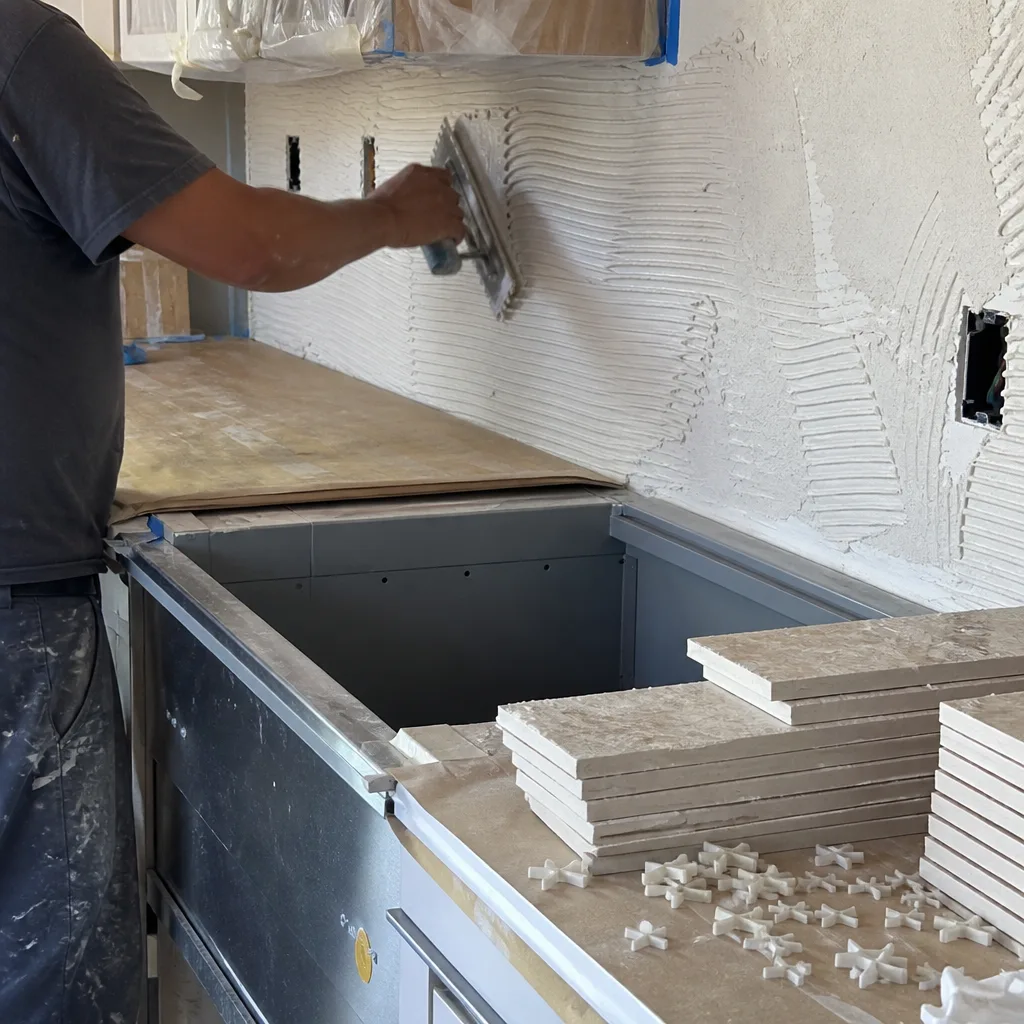
- Soil and Site Conditions in Campbell
- Permits: City of Campbell vs. Santa Clara County
- The Seven Trades and California Licensing Requirements
- Material Lead Times from Named Distributors
- What a Complete Project File Looks Like
- Construction Cost Ranges in Campbell for 2025-2026
- A Realistic Planning Timeline
- Common Mistakes to Avoid
 Before
 After
AfterSoil and Site Conditions in Campbell
Campbell sits in the Santa Clara Valley, and the soil beneath your lot is not uniform. Lower elevations, particularly near the Los Gatos Creek corridor and the flatlands east of Bascom Avenue, carry expansive clay soils classified as CH (high plasticity clay) under the Unified Soil Classification System. These soils swell when wet and shrink when dry, exerting pressure on foundations, flatwork, and retaining walls that builders in sandy or rocky regions simply do not encounter.
What this means in practice: a standard 4-inch concrete patio pour without proper subgrade preparation will crack within two winters in Campbell. We have seen it repeatedly in the neighborhoods near Campbell Park and along Winchester Boulevard. The fix is not mysterious, but it is specific. Expansive clay requires a moisture barrier, controlled fill, and often a thickened edge or post-tension slab depending on the structure. For home additions and ADUs in Campbell, geotechnical reports are frequently required by Santa Clara County when the addition exceeds 500 square feet or when the site shows evidence of previous fill or groundwater issues.
Foundation specifications we encounter in Campbell include:
- Post-tension slabs for additions over 600 square feet on flat lots with clay soils
- Drilled piers or grade beams where lateral soil pressure is significant
- Moisture barriers and sand bedding under all flatwork, not just recommended but specified
- Concrete mix designs with reduced water-cement ratio and air entrainment for freeze-thaw cycling (rare but present in January cold snaps)
The cost implication: a standard foundation in Campbell runs $12-$18 per square foot for slab-on-grade with proper subgrade prep, while post-tension systems add $4-$7 per square foot. These are not upgrade options. They are site-specific requirements that a written quote should itemize before excavation begins. Under Clause 1 of the Haven Standard, the price Rowan delivers includes the soil-appropriate specification, not a low bid with a change order later.
Permits: City of Campbell vs. Santa Clara County
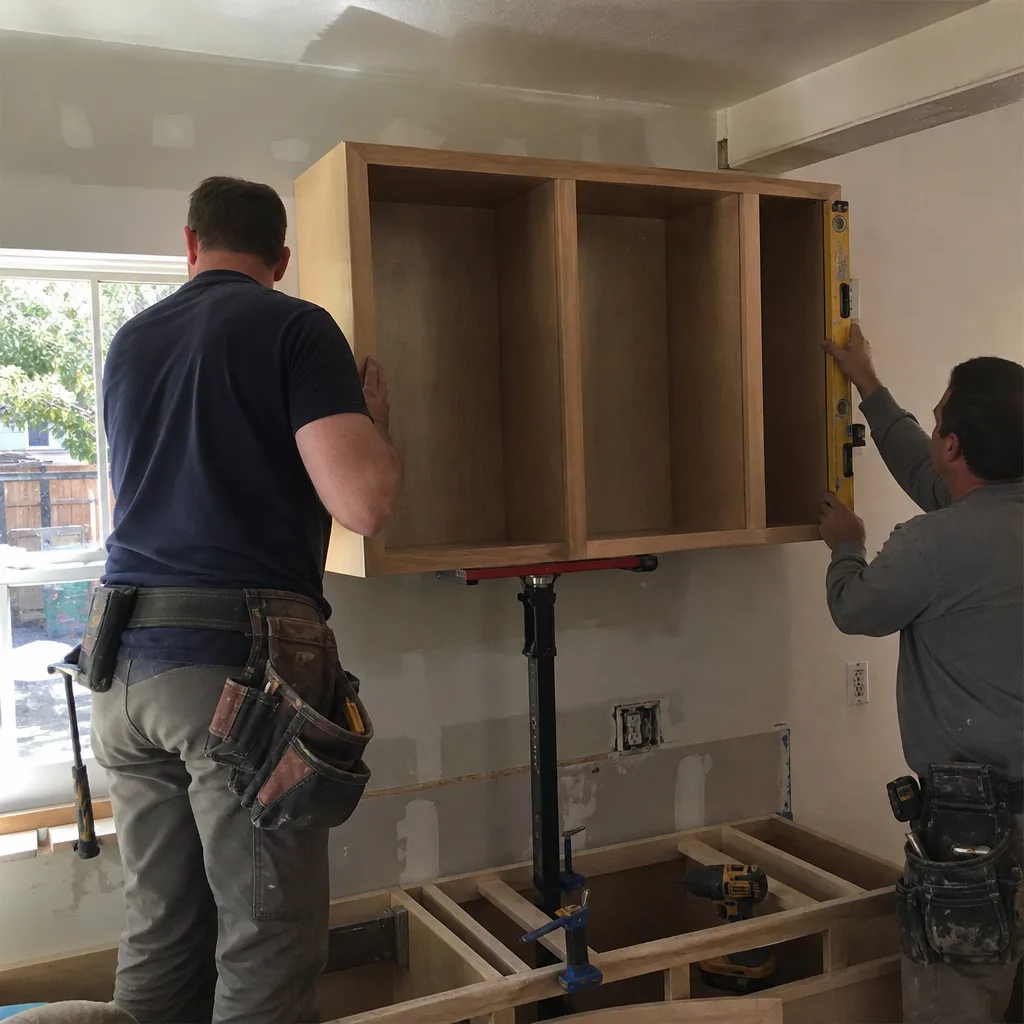
This is where Campbell construction diverges from neighboring San Jose or Los Gatos in ways that cost real money and real time. The City of Campbell maintains its own building department for certain project types, while others fall under Santa Clara County’s jurisdiction. Choosing the wrong track means resubmittal fees and lost weeks.
City of Campbell review applies to:
- Single-family residential alterations and repairs within city limits where the project value is under $75,000 and no structural walls are modified
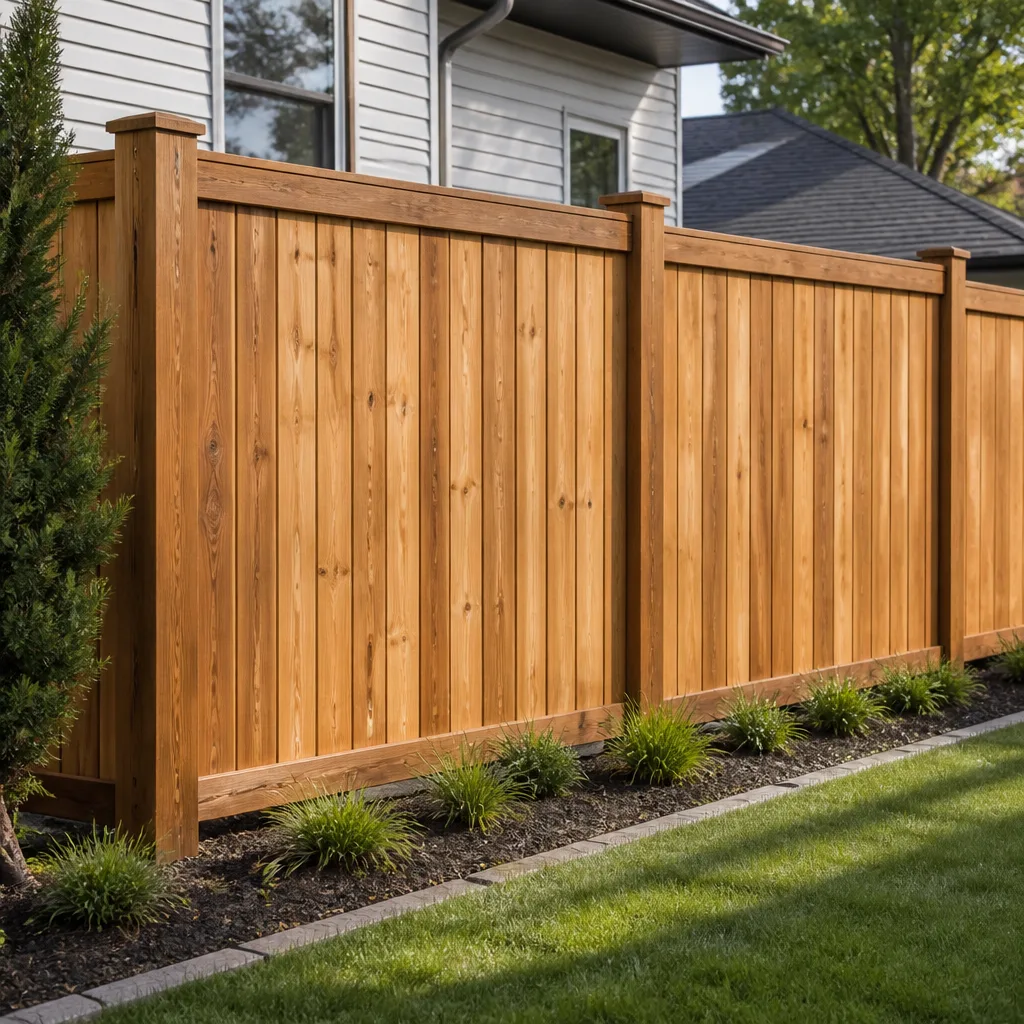
- Fence installations under 7 feet in height (planning department clearance required for corner lots)
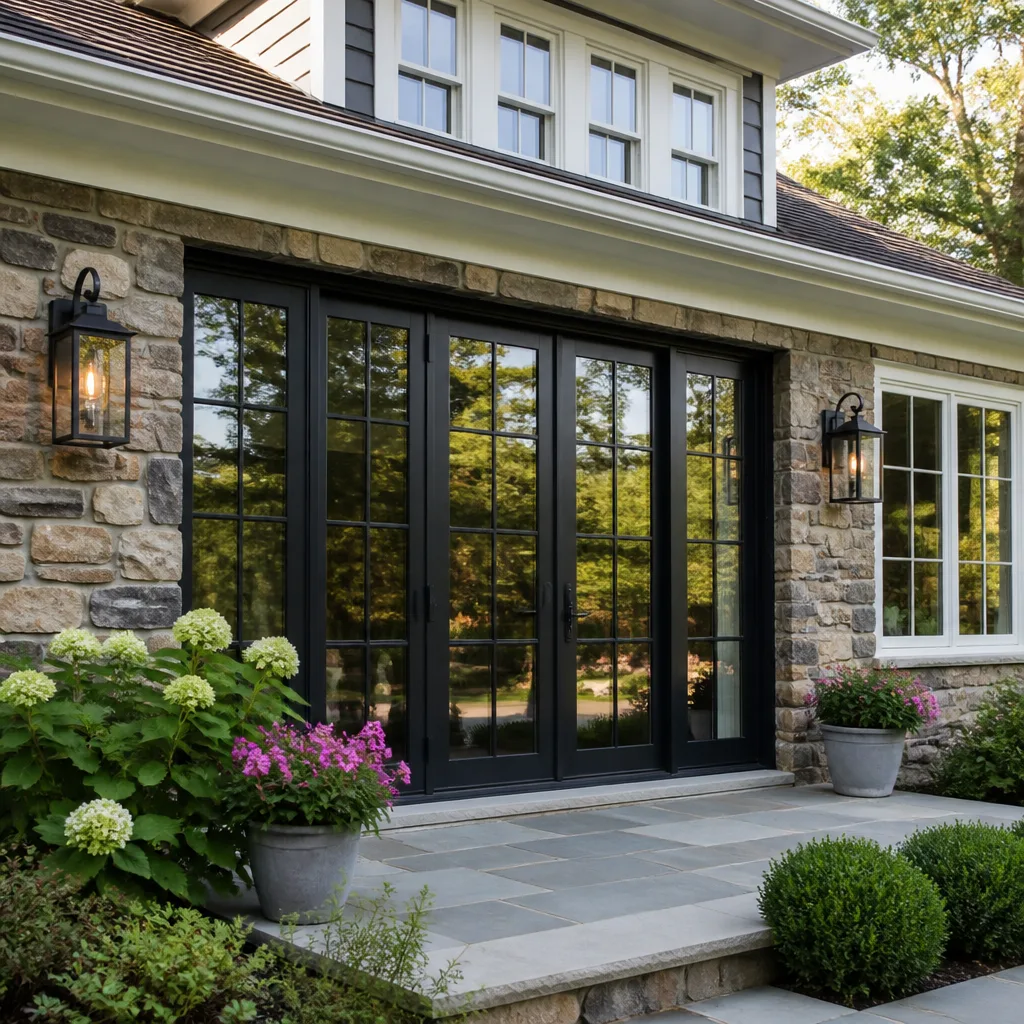
- Window and door replacements of like-for-like size (no new openings)
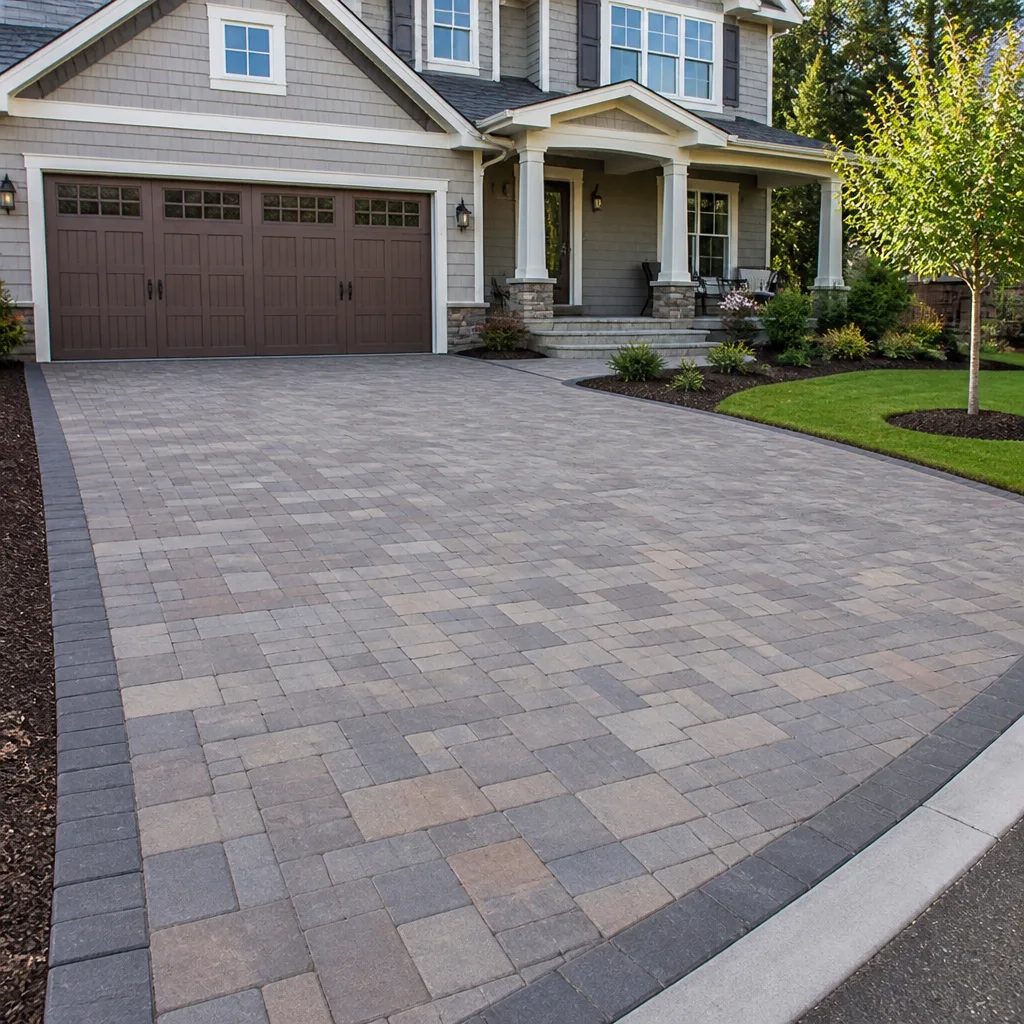
- Driveway and paver projects on private property with no curb cut modifications
Santa Clara County review applies to:
- New construction, home additions, and ADUs anywhere in Campbell’s unincorporated pockets (check your tax assessor parcel map)
- Any project exceeding $75,000 in valuation
- Structural modifications, including load-bearing wall removal
- Projects requiring fire department access review or environmental health clearance
The time and cost difference is material. City of Campbell over-the-counter permits for window replacement or fence installation typically issue same-day or within 3-5 business days, with fees running $150-$400 depending on valuation. Santa Clara County plan check for a kitchen remodel with structural changes or a 400-square-foot ADU runs 10-16 weeks and $1,200-$2,800 in permit fees before inspection scheduling.
A critical detail: Campbell participates in Santa Clara County’s online permit portal, but not all project types are fully digital. We have found that ADU submittals in particular require one in-person appointment at the County’s San Jose office for plan stamp verification, adding 3-5 days to the timeline that the online system does not reflect. Your contractor should know this before promising a start date.
Inspection scheduling in Campbell is handled through the County’s third-party inspector pool for most trades. Electrical, plumbing, and mechanical inspections are typically available within 48-72 hours of request, but framing and final inspections can book 5-7 days out during peak season (March through October). A project with five inspection holds adds a minimum of two weeks to the construction calendar even if every inspection passes on the first attempt.
The Seven Trades and California Licensing Requirements
California law requires specific licensing for construction trades, and a general B-license contractor cannot self-perform all work on a typical Campbell project. Understanding which trades require separately licensed subcontractors protects you from liability and ensures inspection passage.
The seven trades Rowan Construction Group delivers, with their licensing requirements:
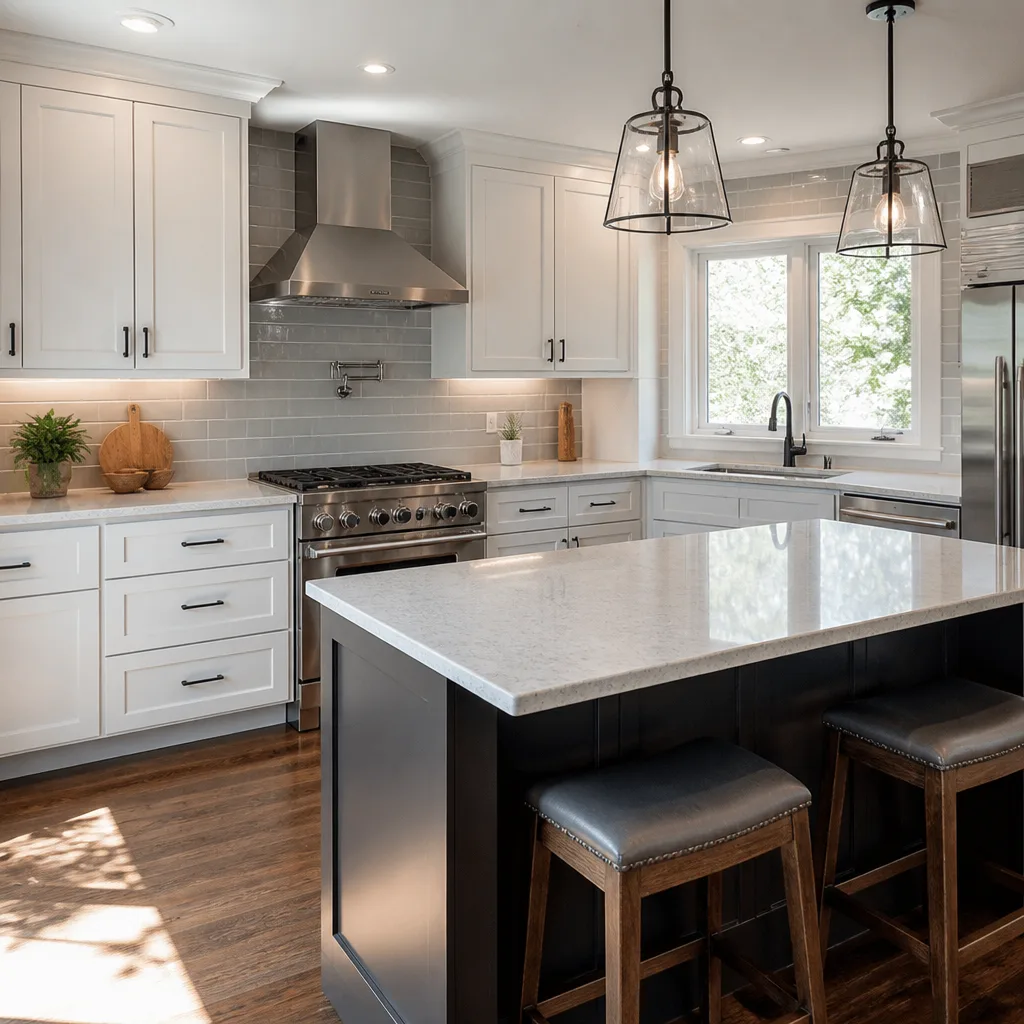
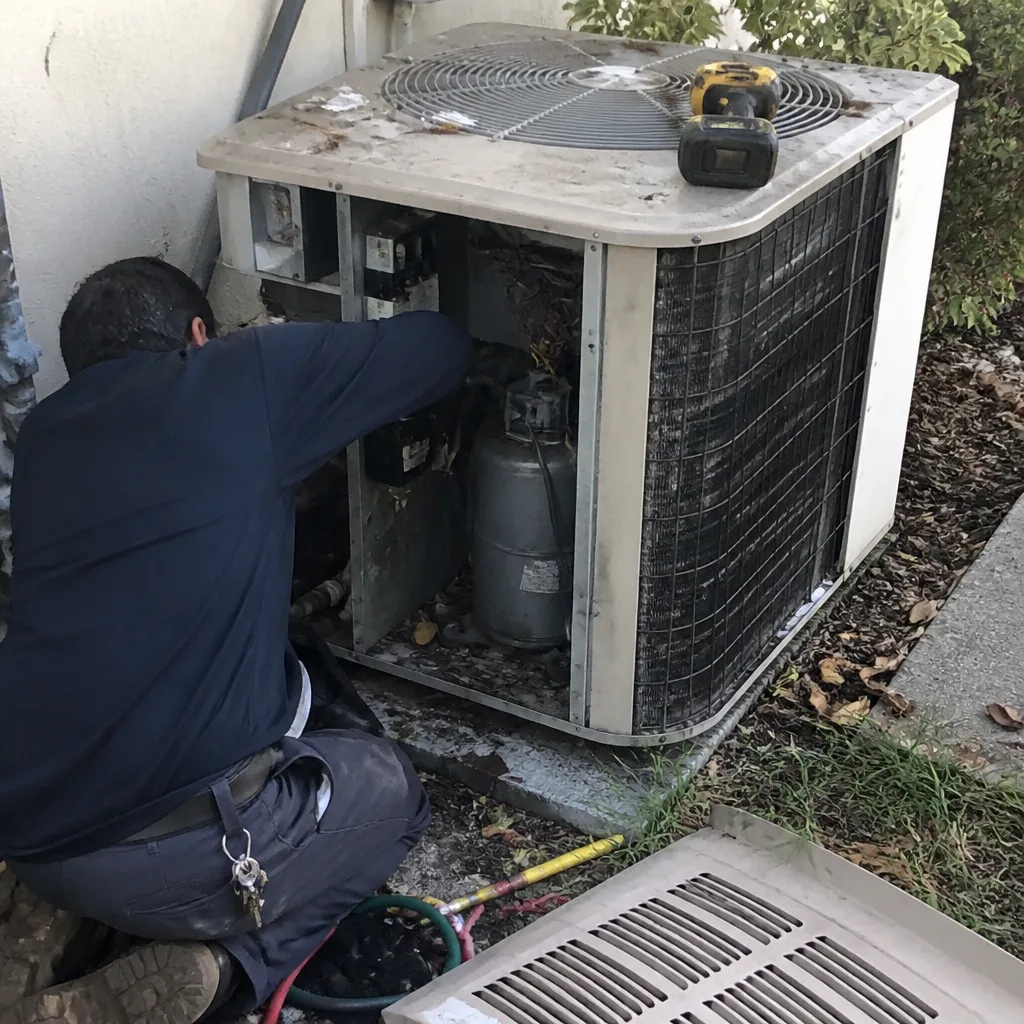
- Kitchen Remodeling - General B license covers carpentry, demolition, and finish work. Electrical (C-10), plumbing (C-36), and HVAC (C-20) must be performed by licensees in those classifications or by B-license holders with specific additional certifications. Most full kitchen remodels in Campbell involve three separate licensed trades beyond the general contractor.
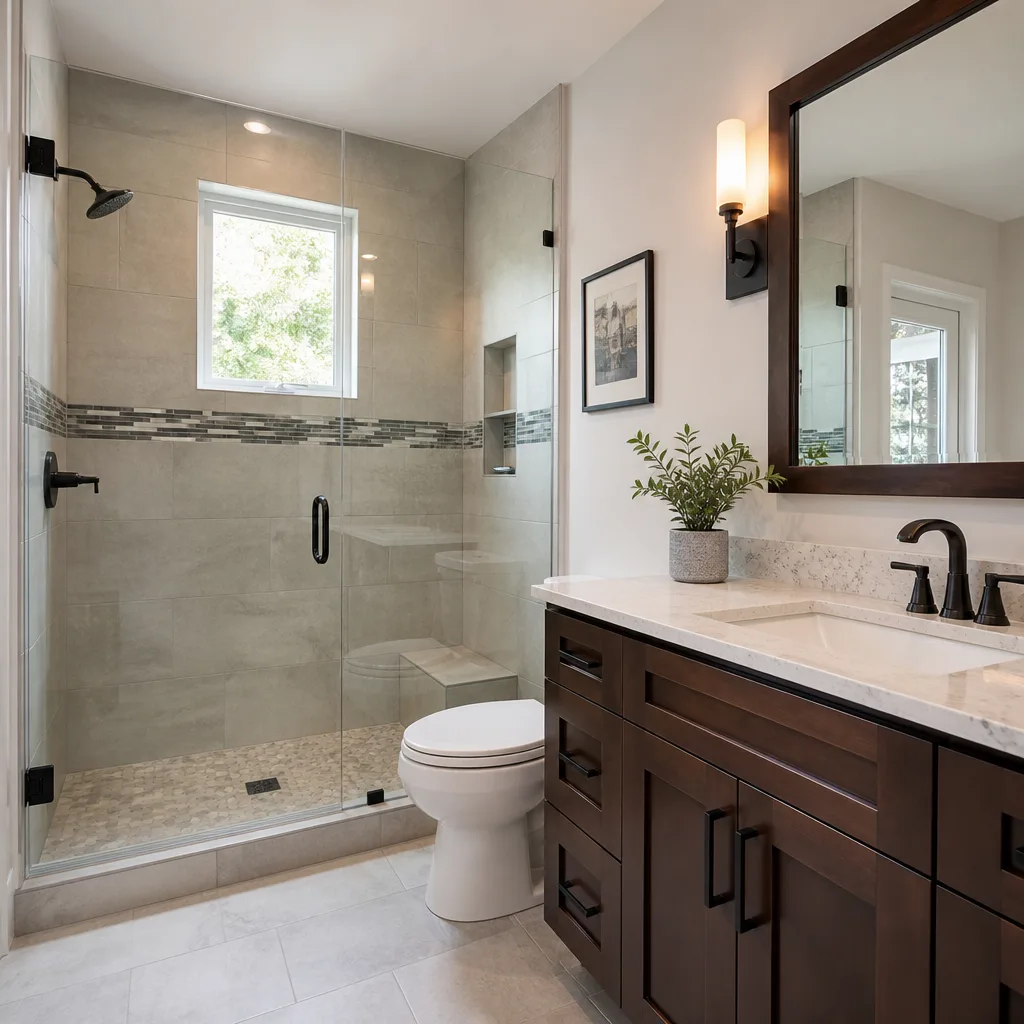
- Bathroom Remodeling - Same licensing structure as kitchen remodeling. In Campbell, bathroom projects frequently trigger asbestos testing if the home was built before 1985, which requires a C-22 asbestos abatement contractor for any positive findings.
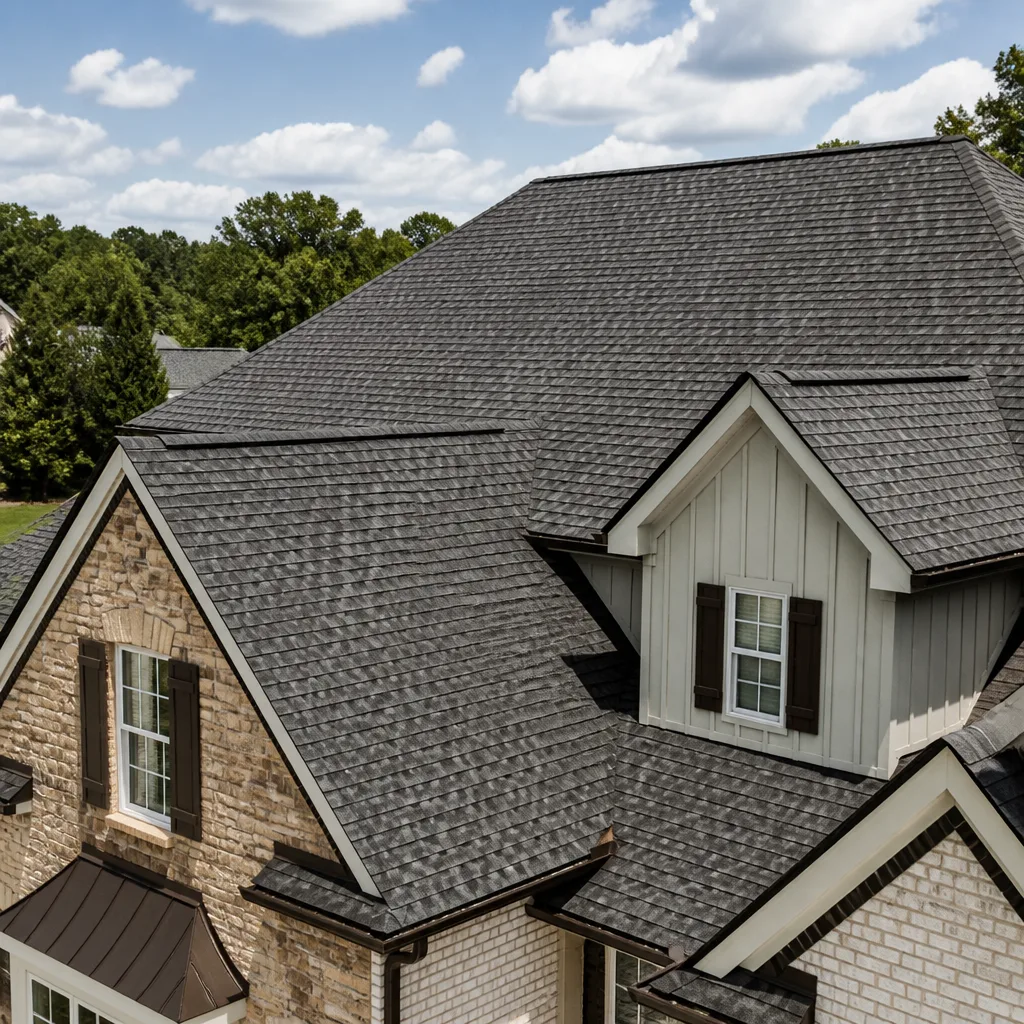
- Roofing - C-39 roofing contractor license required. A B-license holder cannot legally install or repair roofing in California without the C-39 classification. We have encountered homeowners in Campbell who discovered this only when their insurer denied a claim due to unlicensed installation. Roofing in Campbell requires this verification on every project.
- Windows and Doors - General B license covers replacement of like-for-like units. New openings or structural modifications require structural engineering and often a C-61 specialty license for glazing on commercial or multi-family projects. Single-family residential window replacement in Campbell is typically B-license work.
- Fence Installation - General B license or C-61/D-49 specialty for ornamental metal. In Campbell, fences over 7 feet or on corner lots require planning department review for sight-line clearance. Materials from Master Halco, Ameristar, Jerith, and Bufftech are commonly specified in Campbell for their compliance with Santa Clara County wind-load requirements.
- Driveway and Pavers - General B license covers concrete flatwork and paver installation. Belgard and Techo-Bloc pavers, which we source through regional distributors, are specified for their freeze-thaw ratings appropriate to Campbell’s occasional sub-32°F nights. C-27 landscaping contractor license is required when the project includes irrigation modification or significant grading.
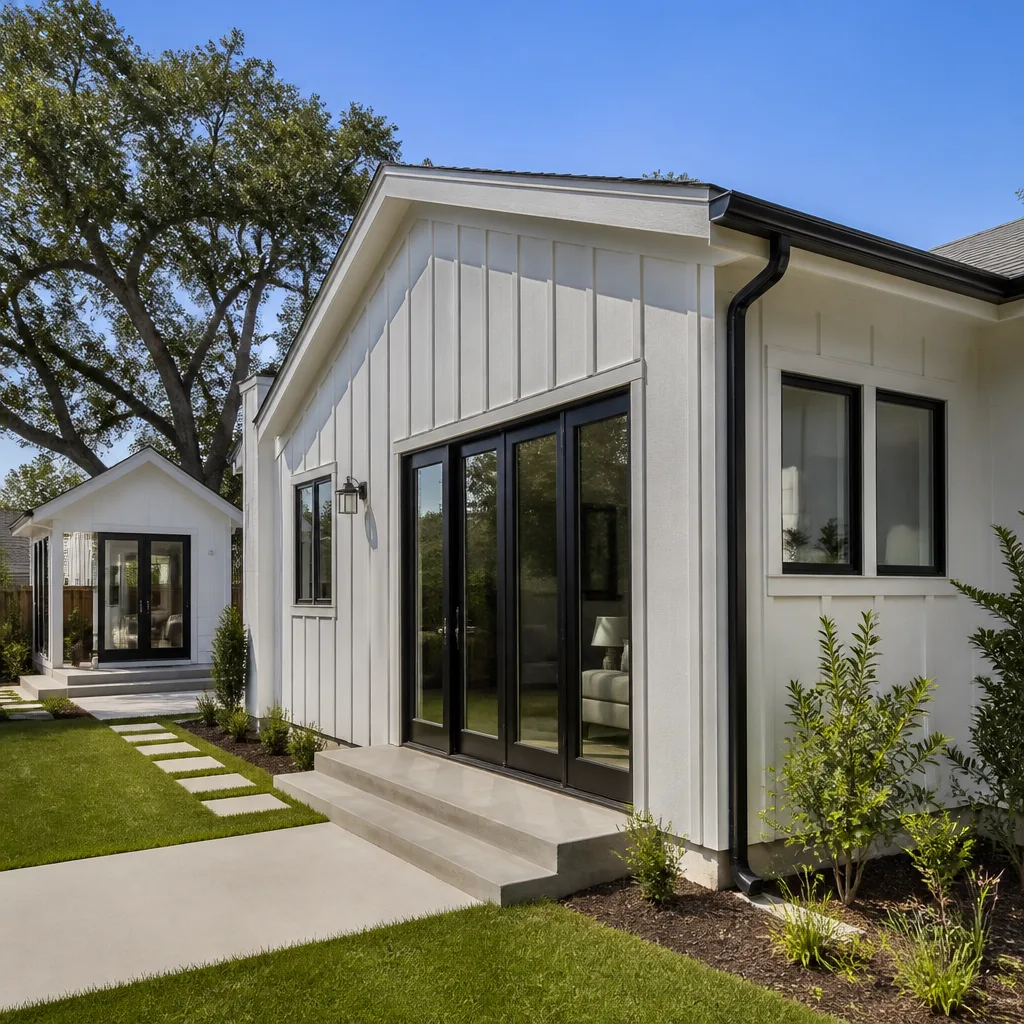
- Home Additions and ADUs - The most license-intensive category. A typical Campbell ADU involves the general B license, C-10 electrical, C-36 plumbing, C-20 HVAC, C-39 roofing if the unit is detached, and often a C-57 well drilling contractor if the site requires a new water service lateral. The Haven Standard requires that every subcontractor license number be listed in the written contract before work begins.
California Contractors State License Board (CSLB) verification is free and instant at cslb.ca.gov. Rowan includes every subcontractor’s license number in the project file, with CSLB printouts, as standard documentation.
Material Lead Times from Named Distributors
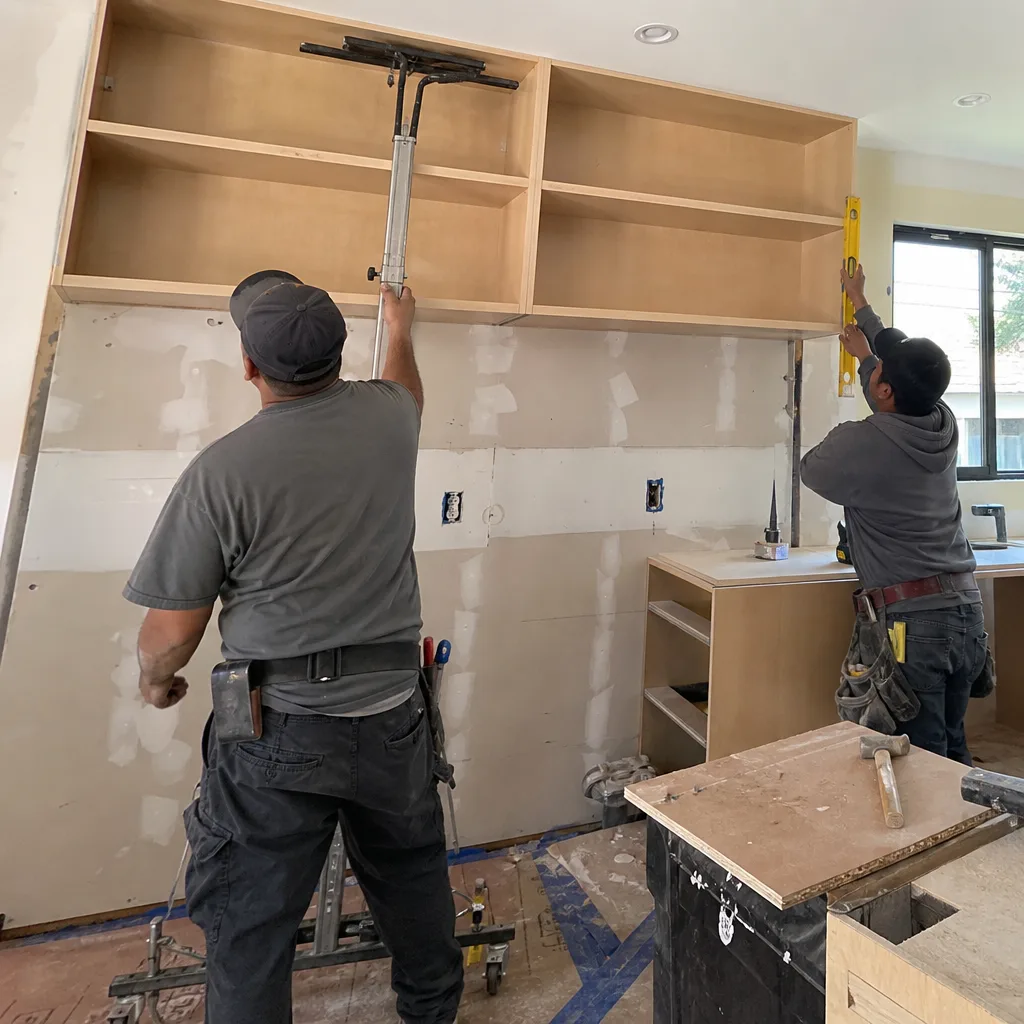
The tight labor market in Santa Clara County extends to material supply chains. A contractor who quotes a six-week kitchen remodel without checking distributor availability is guessing. Here are the lead times we are seeing from specified distributors for Campbell projects in 2025-2026:
| Material Category | Distributor | Typical Lead Time | Campbell-Specific Note |
|---|---|---|---|
| Cabinets (semi-custom) | Ferguson | 6-10 weeks | KraftMaid and Wellborn lines; rush available for 15% surcharge |
| Countertops (quartz) | Ferguson or direct | 2-3 weeks | Cambria and Caesarstone; templating adds 3-5 days after cabinet install |
| Plumbing fixtures | Ferguson | 2-6 weeks | Kohler and Toto; popular finishes (matte black, brushed gold) at longer end |
| Lumber/framing | 84 Lumber | 1-2 weeks | Pressure-treated and engineered lumber; SPF studs usually in stock |
| Roofing shingles | ABC Supply or direct | 1-3 weeks | GAF and Owens Corning; color-matching for repairs can extend to 4 weeks |
| Pavers and hardscape | Belgard/Techo-Bloc direct | 3-5 weeks | Popular colors (Sable Blend, Victorian) often backordered spring through fall |
| Windows (custom size) | Andersen or Pella direct | 8-12 weeks | Standard sizes 4-6 weeks; custom sizing required for pre-1980 Campbell homes |
The sequencing implication is significant. A Campbell kitchen remodel with custom windows cannot start demolition until both cabinets and windows are on-site, or the opening sits exposed. We sequence material procurement before permit submittal on some projects, accepting the risk of specification changes if the plan check requires modifications. The Haven Standard’s signed change order discipline makes this manageable: if the county requires a window size adjustment, the change is documented and priced before the new order is placed.
For kitchen remodeling in Campbell, our typical procurement calendar runs: cabinets ordered at contract signing (Week 0), countertops templated at cabinet completion (Week 7), fixtures and appliances confirmed at permit approval (Week 8-10), with trade scheduling contingent on all materials on-site. A homeowner who understands this sequence can spot a contractor who has not done the procurement homework.
What a Complete Project File Looks Like
Documentation is not bureaucracy. It is the evidence that protects your lien rights, your warranty claims, and your resale value. In Campbell, where median home prices exceed $1.6 million, a complete project file is a material asset.
The sequence, from first contact to final walkthrough:
- Signed contract with written scope and flat price. Under Clause 1 of the Haven Standard, this is non-negotiable. The contract specifies every trade, every material brand and model number, every exclusion, and the total price. No “allowances” without a maximum and a reconciliation clause.
- Proof of licensing and insurance. CSLB license verification printout for the general contractor and every subcontractor. Certificate of insurance naming the homeowner as additional insured, with coverage dates spanning the project duration. Rowan provides this within 24 hours of contract signing.
- Stamped plans and permit card. Structural plans bear a California-licensed engineer’s stamp (required for additions, ADUs, and structural modifications). The permit card, posted on-site, records every inspection with date, inspector ID, and pass/fail notation. Photograph this card weekly.
- Change orders, signed. No work proceeds on a change until the change order is signed. This is the administrative discipline Haven acquired Rowan for, and the reason our projects finish within a few percent of the agreed cost. A typical Campbell kitchen remodel generates 0-2 change orders when the scope is properly defined at outset; ADUs average 1-3 due to geotechnical or utility discoveries.
- Inspection log. Date, trade, inspector name, result, and correction notes if any. Rowan provides this as a running document, not a summary at the end.
- Documented photo record. Every visit, standard deliverable, not an add-on. The photo record shows pre-existing conditions, progress at key milestones, and final state. Campbell homeowners receive this via secure link within 48 hours of each site visit.
- Lien releases. Unconditional lien releases from every subcontractor and material supplier, dated to match final payment. In California, a homeowner who pays without obtaining releases assumes the risk of a later mechanics lien. The complete set of releases is the final document in the project file.
A homeowner who can produce this seven-item file at resale commands a premium. Buyers and their inspectors recognize documented maintenance and permitted work. We have seen this translate to faster sales and fewer renegotiations in Campbell’s competitive market.
Construction Cost Ranges in Campbell for 2025-2026
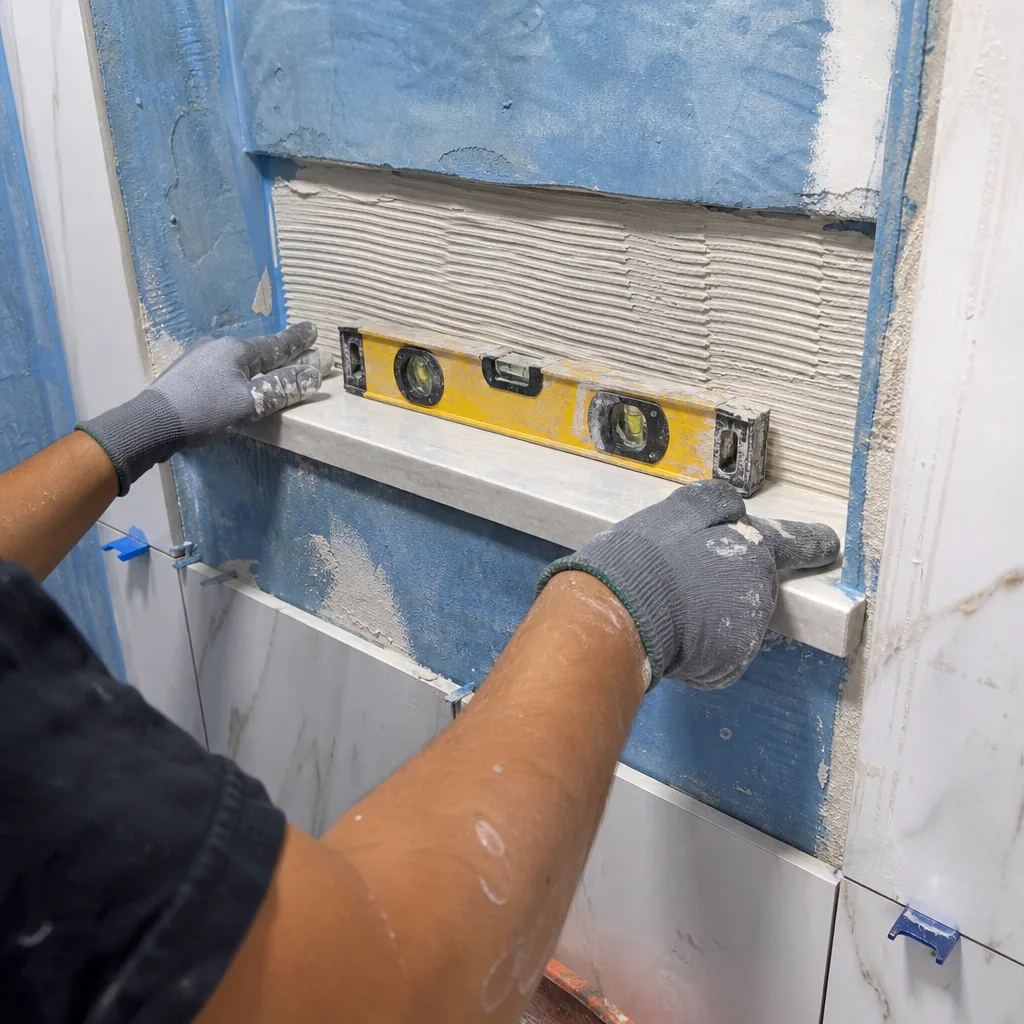
These ranges reflect Rowan’s actual quoted projects in Campbell over the past 18 months, with the caveat that every project is site-specific and material-selection-dependent. The ranges are wide because the difference between a refresh with in-stock materials and a full custom build with imported tile is substantial.
| Project Type | Low Range | Mid Range | High Range | Primary Cost Driver |
|---|---|---|---|---|
| Kitchen remodel (full) | $45,000 | $75,000 | $140,000+ | Cabinet line and appliance package |
| Bathroom remodel (full) | $18,000 | $32,000 | $65,000+ | Plumbing relocation and tile scope |
| Roof replacement (2,000 sq ft) | $14,000 | $22,000 | $35,000+ | Shingle class and deck replacement |
| Windows (whole house, 10 units) | $12,000 | $20,000 | $35,000+ | Material (vinyl vs. fiberglass vs. wood) |
| Fence (linear foot, installed) | $35/ft | $55/ft | $85/ft+ | Material (chain link vs. ornamental iron vs. Bufftech vinyl) |
| Driveway/pavers (per sq ft) | $12/sq ft | $18/sq ft | $28/sq ft+ | Subgrade condition and paver selection |
| ADU (detached, 500 sq ft) | $180,000 | $250,000 | $380,000+ | Utility connections and foundation type |
| Home addition (per sq ft) | $280/sq ft | $380/sq ft | $520/sq ft+ | Structural complexity and finish level |
These numbers include permit fees for Santa Clara County or City of Campbell, but exclude design and engineering fees which typically add 8-12% for projects requiring stamped plans. They also exclude site-specific geotechnical work, which in Campbell’s clay zones can add $3,000-$7,000 for soil testing and engineered foundation recommendations.
Rowan’s Free Second Opinion on Any Written Estimate applies here: bring a competitor’s line-item quote and we will review it against these ranges and flag items that appear mis-scoped or mis-priced for Campbell conditions.
A Realistic Planning Timeline
The gap between “I want to remodel” and “the crew arrives” is where most Campbell projects succeed or fail. Here is a realistic calendar for a mid-complexity project, a kitchen remodel with structural modifications and permit-required electrical:
| Phase | Duration | Key Action |
|---|---|---|
| Design and scope definition | 2-4 weeks | Measurements, material selection, written quote with flat price |
| Engineering (if structural) | 1-2 weeks | Engineer site visit, stamped plans produced |
| Permit submittal and approval | 6-10 weeks (County plan check) | Plan check corrections, resubmittal if required |
| Material procurement | 4-10 weeks (overlaps permit) | Cabinets ordered at contract; windows and fixtures confirmed at permit approval |
| Pre-construction meeting | 1 week | Site walk, utility locate, neighbor notification |
| Construction | 6-10 weeks | Demolition, rough trades, inspections, finish work |
| Final inspection and closeout | 1-2 weeks | Correction items, final walk, lien releases, photo record delivery |
Total elapsed time: 20-39 weeks from decision to completion. The wide range reflects permit complexity and material availability. A kitchen remodel with no structural changes, City of Campbell permit, and in-stock materials can compress to 12-14 weeks. An ADU with County review, custom windows, and clay soil engineering typically runs 9-14 months.
The homeowners who wait least are those who front-load the design and material selection phases while their contractor handles permit submittal. Those who delay cabinet selection until permit approval adds 6-10 weeks to the back end. We advise Campbell clients to finalize their bathroom or kitchen material selections at contract signing, accepting that a permit-driven specification change will be handled by signed change order if needed.
Common Mistakes to Avoid
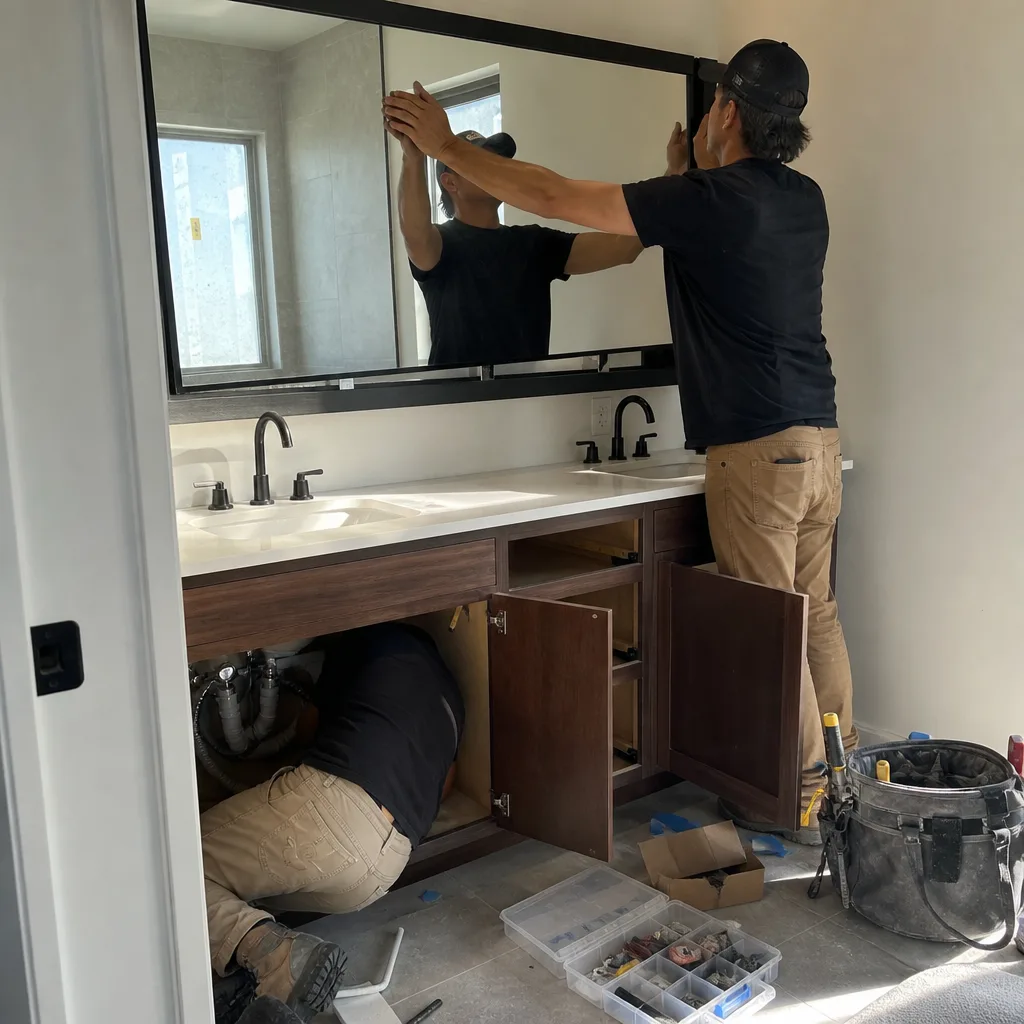
- Assuming all Campbell permits go through the same office. City and County tracks have different fees, timelines, and inspection protocols. Verify your parcel’s jurisdiction before scheduling any work.
- Ignoring soil conditions in the foundation quote. A contractor who bids a standard 4-inch slab without mentioning expansive clay is either unaware of Campbell’s geology or planning a change order. Ask specifically: “What is the soil classification and how does the specification address it?”
- Starting demolition before materials arrive. The most stressful projects we encounter are kitchens with cabinets delayed 8 weeks and families cooking on hot plates in garages. Confirm material on-site dates before the first wall comes down.
- Accepting verbal price estimates. California law requires a written contract for home improvement projects over $500, but the practical protection is stronger: a written price before any work starts, with line-item scope, is the only way to compare quotes and enforce accountability. “Call for a quote” is not an option Rowan offers.
- Neglecting lien release collection. A homeowner who pays the general contractor in full but fails to obtain releases from subcontractors remains exposed to mechanics liens. The final payment should be contingent on complete release documentation.
- Scheduling around holidays without buffer. Campbell’s peak construction season runs March through October. Inspection availability tightens before Thanksgiving and does not recover until mid-January. A project starting in September with a 10-week construction estimate should plan completion by early December, not Christmas week.
- Treating the lowest bid as the baseline. In a market with material volatility and labor shortages, a bid 20% below comparable quotes typically omits scope, uses unspecified materials, or assumes optimistic permit timelines. Compare line items, not bottom lines.
When to Call a Professional
Call a licensed contractor when your project involves structural modifications, electrical or plumbing beyond fixture replacement, roofing of any scope, or any work requiring a Santa Clara County or City of Campbell permit. The CSLB license lookup takes 30 seconds and protects against unlicensed operators who cannot pull permits or carry workers’ compensation insurance. For homeowners researching their options, Rowan Construction Group Campbell offers free estimates in Campbell - call (831) 704-1211. We also provide a Free Second Opinion on any written estimate from another contractor, reviewed line by line at no charge. The 365-Day Done Right Promise applies to every project we undertake: if it is not done right, we make it right, backed by The Haven Standard, not a handshake.
Frequently Asked Questions
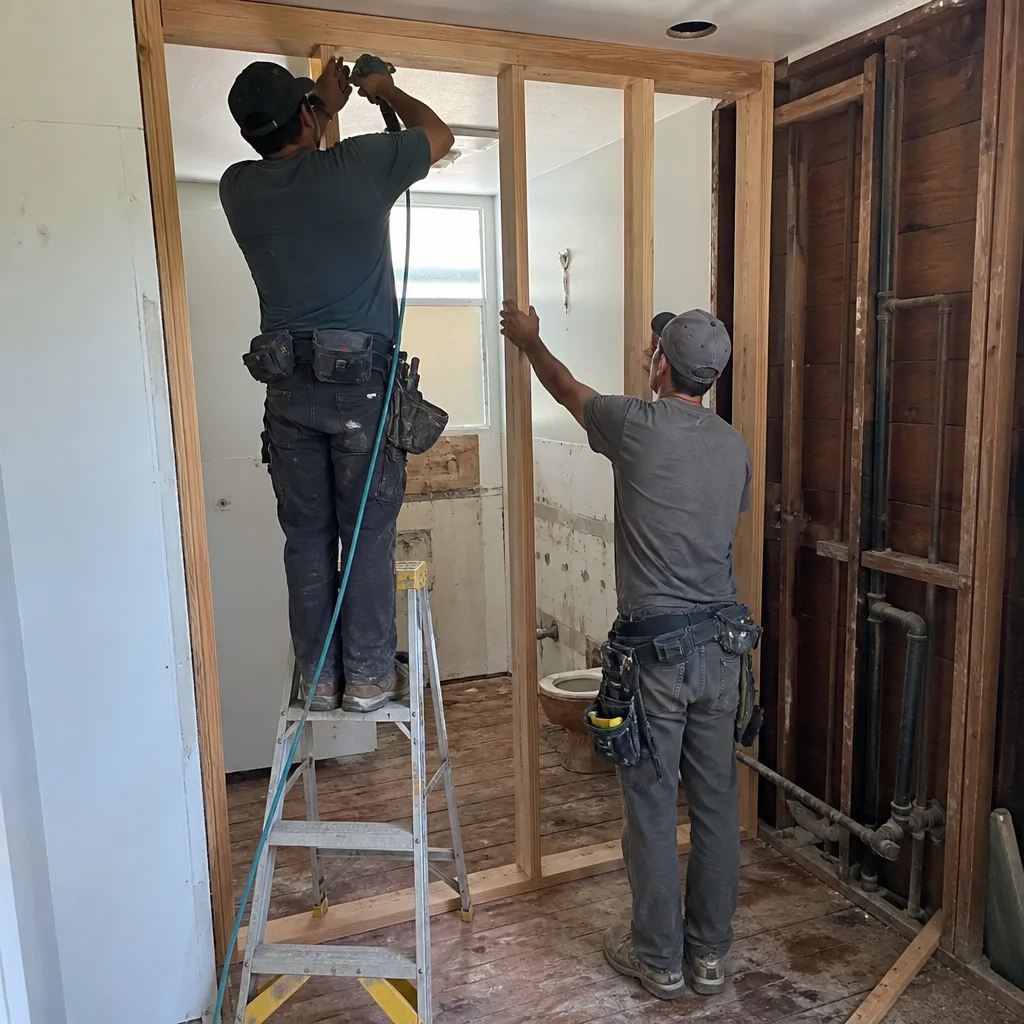
A full kitchen remodel in Campbell typically costs $45,000 to $140,000 depending on cabinet line, appliance package, and whether structural walls are modified. The mid-range figure of $75,000 reflects semi-custom KraftMaid or Wellborn cabinets, quartz countertops from Cambria or Caesarstone, and standard appliance relocation. Call (831) 704-1211 for an exact quote - estimates are free.
City of Campbell over-the-counter permits issue in 3-5 business days for projects under $75,000 without structural changes. Santa Clara County plan check for additions, ADUs, or structural remodels runs 10-16 weeks. The County requires an in-person appointment for ADU plan stamp verification, adding 3-5 days not reflected in online timelines.
Santa Clara County typically requires a geotechnical report for additions exceeding 500 square feet or when the site shows evidence of previous fill, groundwater, or expansive clay soils. Campbell’s lower elevations near Los Gatos Creek and Bascom Avenue frequently trigger this requirement. The report costs $3,000-$7,000 and adds 2-3 weeks to pre-construction.
Under The Haven Standard, no work proceeds on a change until the change order is signed. Rowan’s projects finish within a few percent of the agreed price because the scope is defined in writing before work begins and changes are documented and priced before execution. The written quote is a flat price, not an estimate subject to revision.
All roofing installation and repair in California requires a C-39 roofing contractor license. A general B-license holder cannot legally perform roofing work. This applies to full replacements, partial repairs, and re-roofing over existing layers. Verify any contractor’s C-39 license at cslb.ca.gov before signing.
You should receive a complete project file: signed contract, stamped plans (if required), permit card with inspection results, signed change orders, documented photo record of all work, and unconditional lien releases from every subcontractor and supplier. Rowan delivers this as standard, not as an upgrade. The file protects your warranty rights and supports resale value in Campbell’s competitive market.
The Bottom Line
Construction in Campbell rewards preparation. The homeowner who understands expansive clay soils, the City-County permit split, material lead times from named distributors, and the seven-trade licensing structure before soliciting quotes will receive more accurate bids, experience fewer change orders, and finish closer to their planned timeline and budget. The documentation discipline - written price, signed change orders, photo records, lien releases - separates professional projects from problematic ones. Rowan Construction Group Campbell has operated under these principles since 2007, with 4,000-plus projects delivered under The Haven Standard. Explore more guides & resources on Campbell construction planning. The 365-Day Done Right Promise, no-hassle upfront pricing, and Free Second Opinion on any written estimate remain standing offers for Campbell homeowners.
Call (831) 704-1211 to schedule your free estimate.
Written by Grant Rowan, Owner at Rowan Construction Group Campbell, serving Campbell since 2007.