
Free written scope consultation - allowances, timeline, and change-order rules on paper before a single trade is scheduled
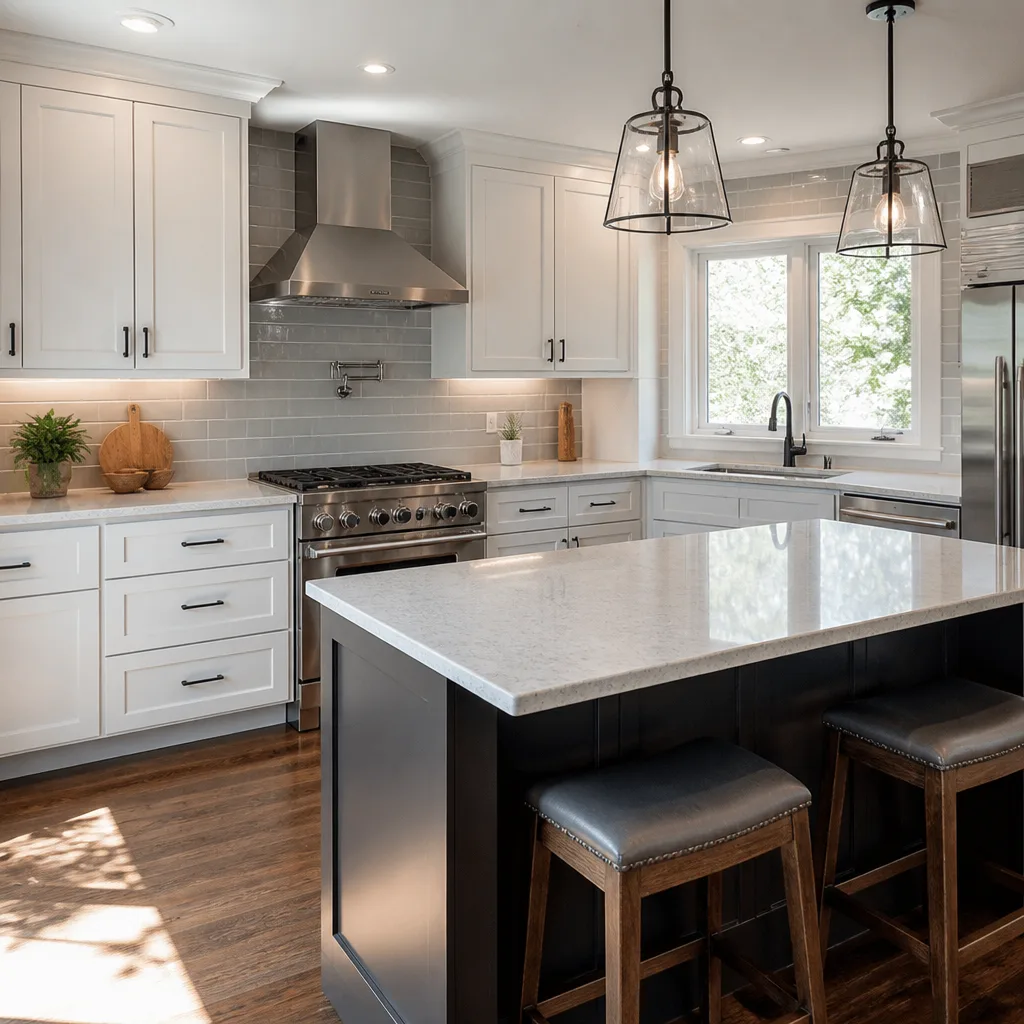
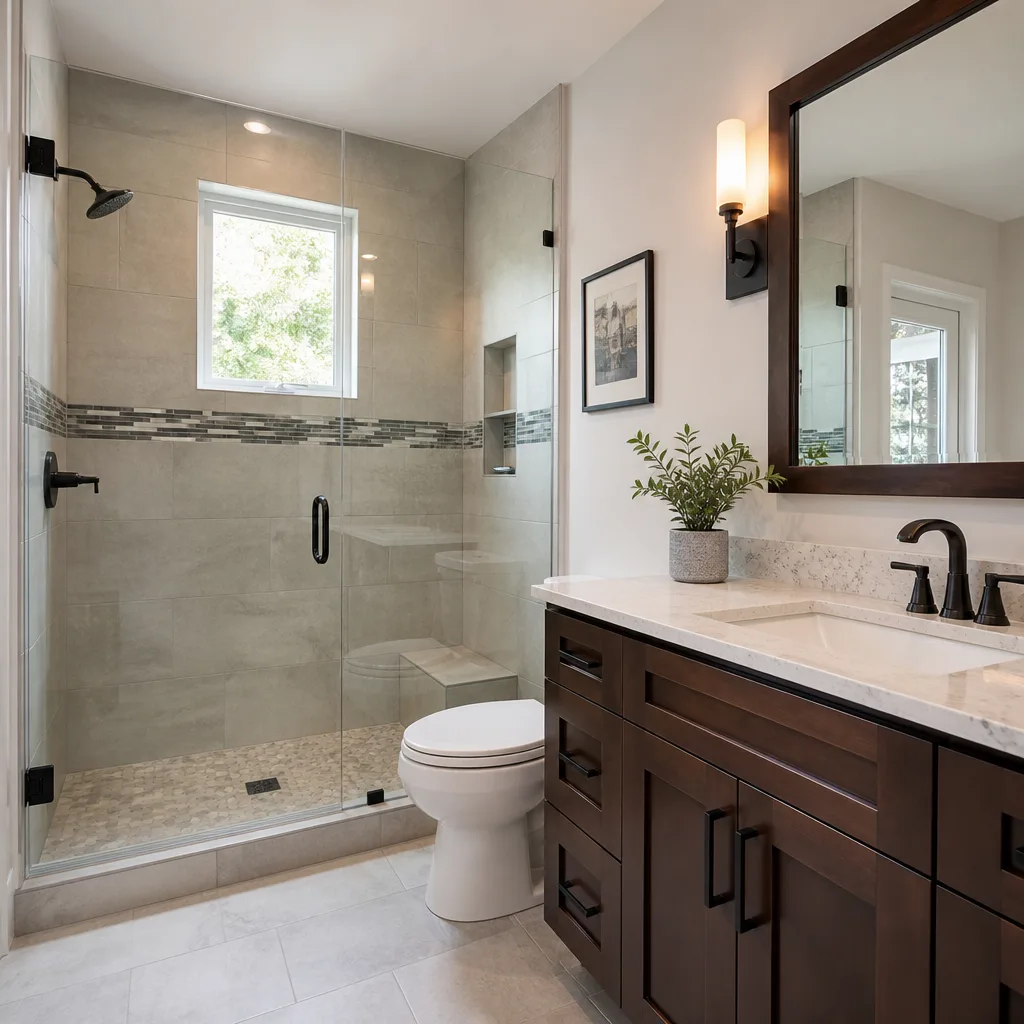
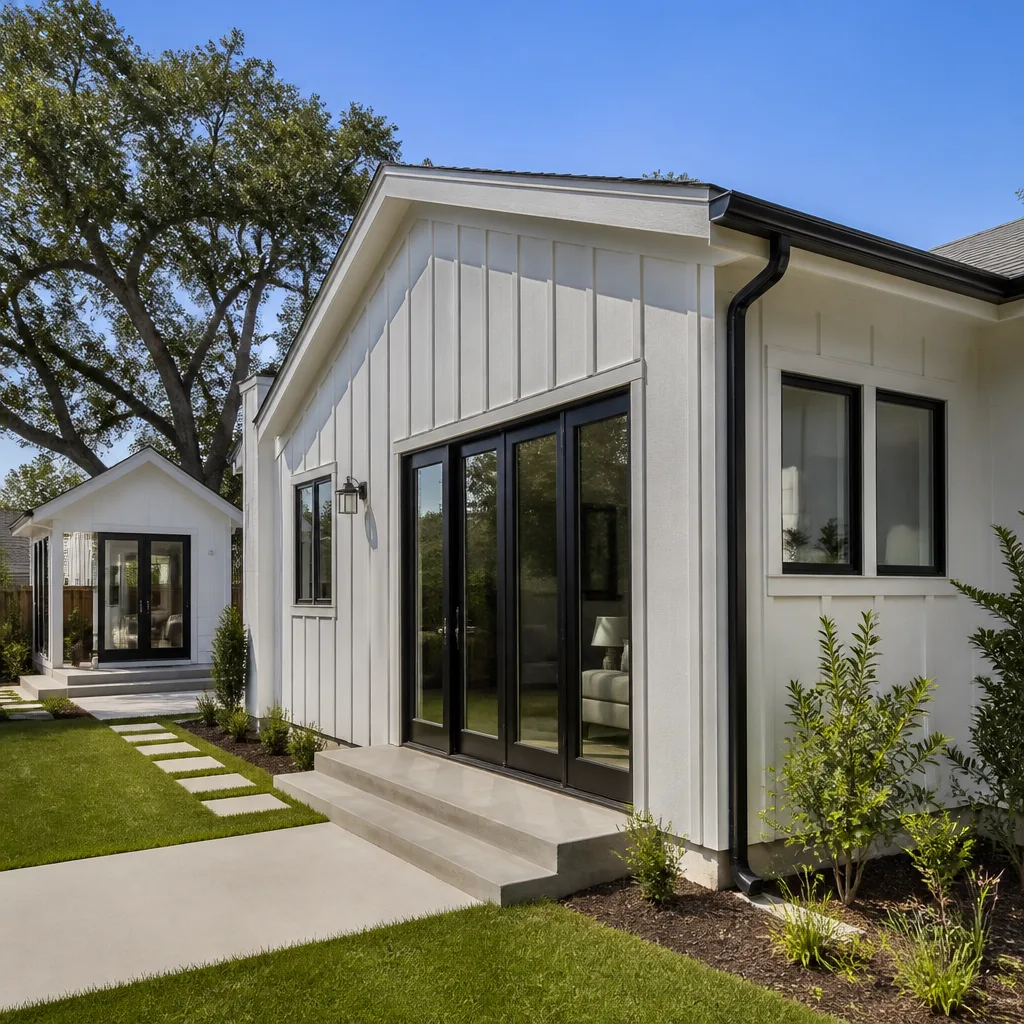
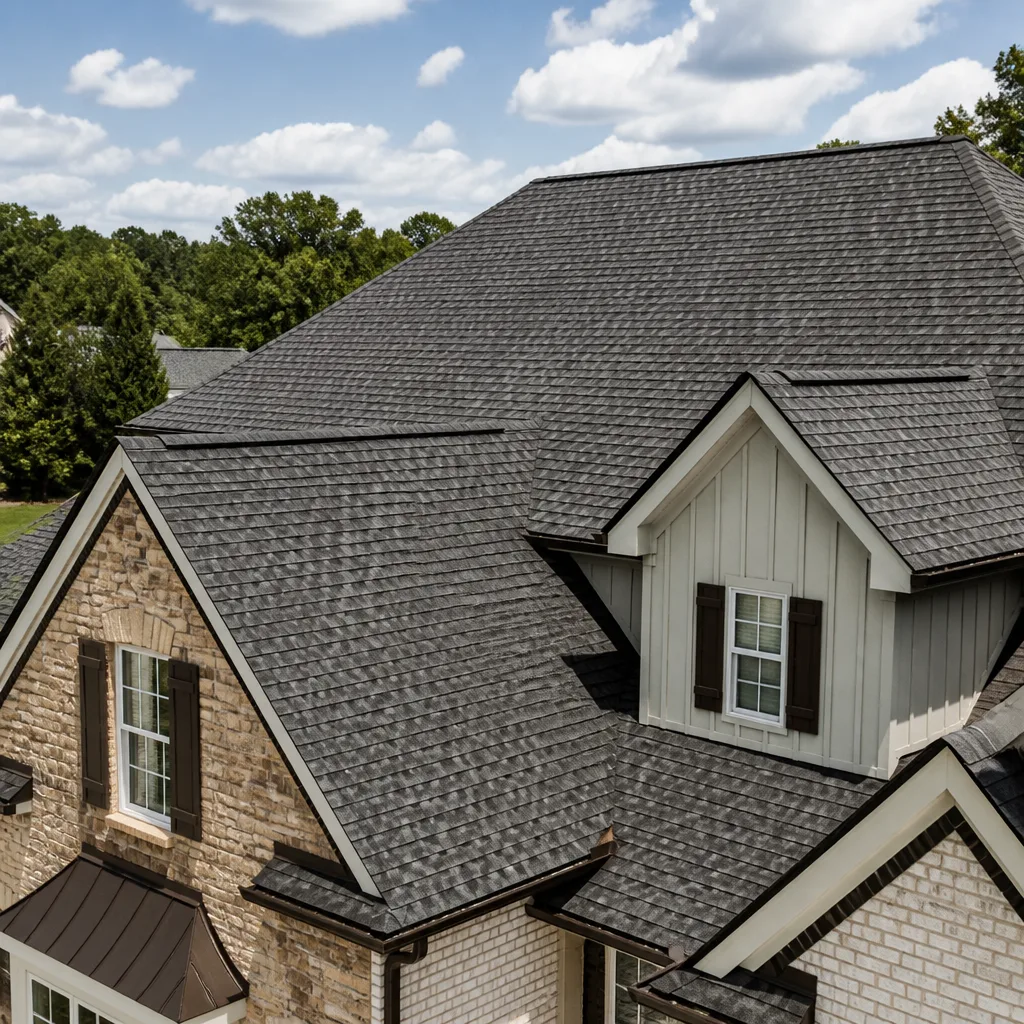
 Before
 After
After Before
 After
After Before
 After
AfterQuikrete Driveway & Pavers: The Campbell Owner’s Guide
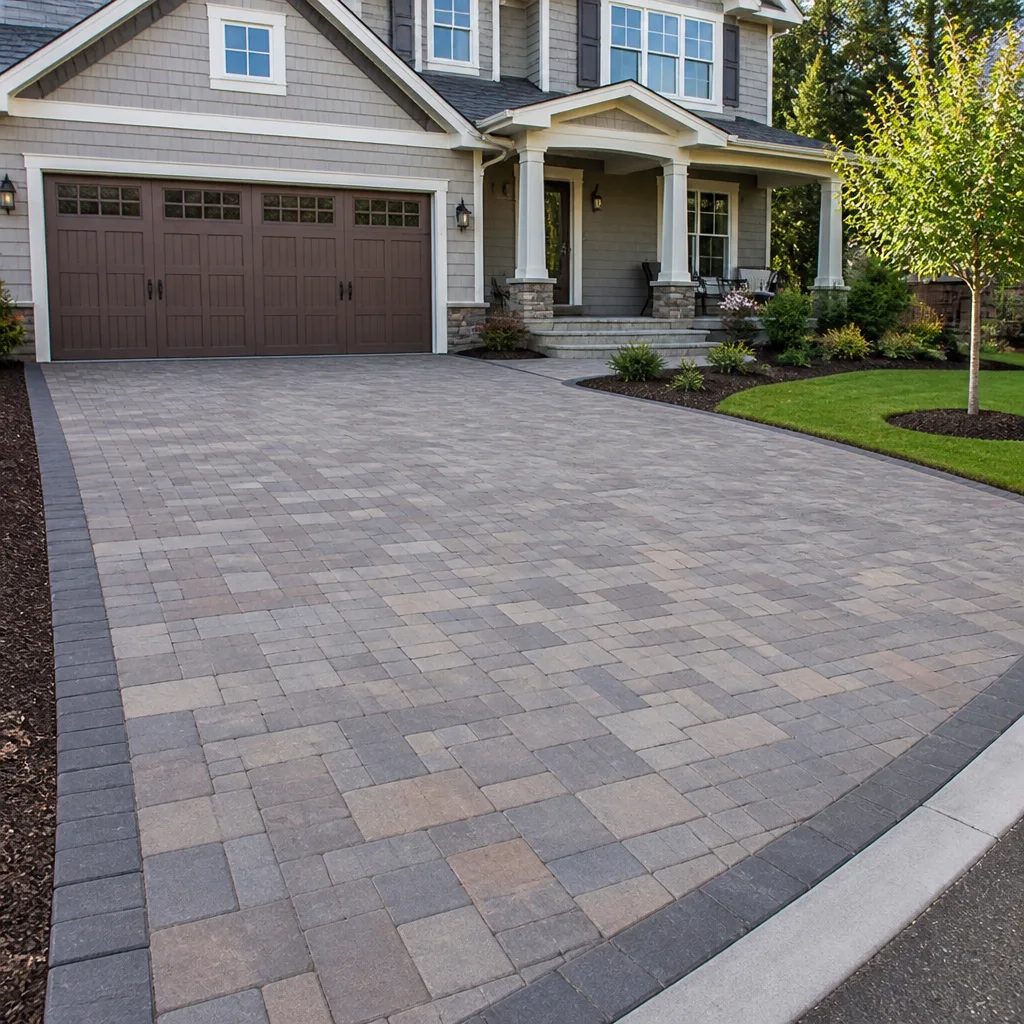
We stock and install Quikrete-compatible driveway and paver systems in Campbell with installed prices running $4,500-$12,000 for concrete driveways and $7,000-$18,000 for paver installations, depending on substrate condition and square footage. Most Quikrete material failures show up as surface spalling, joint separation, or base settlement after 5-10 years of wet winters and dry summers in the Santa Clara Valley. Homeowners usually notice the problem first as water pooling where it didn’t before, or a crack that reopens every spring no matter how many times they seal it.
Which Quikrete Models This Applies To
Quikrete doesn’t sell “models” the way an appliance manufacturer does. Instead, the product line is defined by mix design and application: Quikrete Crack Resistant Concrete Mix (No. 1006-80) for slabs with fiber reinforcement, Quikrete 5000 High Early Strength for driveways that need to bear load within 24 hours, and the standard Quikrete Concrete Mix (No. 1101) for most residential pours. The part that fails is rarely the bagged mix itself; it’s the execution layer - the control joints cut too shallow, the base compacted to 90% instead of 95% density, or the rebar placed at 18 inches on center instead of 12 in a high-clay soil zone like the west Campbell flats near San Tomas Expressway.
To identify what you’re working with, look for the original pour date stamped or scribed into the control joint, or check for a Quikrete delivery ticket in your home sale disclosures. If you’re matching an existing slab for a repair or extension, we pull a core sample to test compressive strength before specifying the replacement mix. OEM Quikrete is specified by the gray bag with the red logo; aftermarket equivalents from Sakrete or local batch plants can match the 4,000 PSI rating but may cure with slightly different shrinkage characteristics, which matters when you’re tying into an existing edge in a Campbell hillside home where thermal movement is already stressed.
Signs Your Quikrete Driveway & Pavers Is Failing
- Spalling and surface flaking. The top ⅛ to ¼ inch of concrete peels away, often starting at the control joints. This happens when water penetrates the surface, freezes, and expands - more common in Campbell’s older neighborhoods near downtown where driveways were poured without air entrainment, a chemical admixture that creates microscopic voids to relieve freeze-thaw pressure.
- Cracks that wander outside the control joints. A crack that ignores your saw cuts is telling you the slab is moving as a single unit, usually because the base material wasn’t compacted in lifts or the subgrade contained organic soil that decomposed. We’ve seen this repeatedly in the fill areas developed during Campbell’s 1960s and 70s building boom.
- Settlement at the garage threshold or sidewalk interface. The slab drops ½ inch or more relative to a fixed point. This indicates base erosion, often from a broken irrigation line or poor drainage that sat undetected for years. In Campbell’s clay-heavy soils, a single season of standing water can reduce base stability by half.
- Paver joints that won’t hold sand. Polymeric sand washes out repeatedly, or weeds return within weeks of cleaning. The real problem is usually bedding layer contamination - fines from the base migrating upward - or a paver system installed without proper edge restraints, which lets the field spread and opens joints.
- Hollow sound underfoot on pavers. Tapping with a rubber mallet produces a drum-like resonance instead of a solid thud. This means the bedding sand has washed out or the base has settled, leaving the paver unsupported. Drive over it and the paver cracks; leave it and the surrounding field destabilizes.
 Before
 After
AfterReplacement Cost & What’s Included
| Scope | Campbell Price Range | What’s Included |
|---|---|---|
| Concrete driveway replacement | $4,500-$12,000 | Removal, base prep to 95% compaction, Quikrete 5000 or specified mix, control joints, broom finish |
| Paver driveway replacement | $7,000-$18,000 | Excavation, geotextile, aggregate base in lifts, bedding sand, Belgard or Techo-Bloc pavers with edge restraints |
| Partial slab repair (cut and replace) | $1,200-$3,500 | Saw cutting, removal, base reconditioning, match-pour with bonding agent |
| Paver reset and re-sand | $800-$2,200 | Lift, regrade bedding, recompact base, new polymeric sand, edge restraint repair |
The price spread reflects three variables: square footage, access (a backyard paver patio with no side gate costs more to excavate than a front driveway), and what we find when we open it up. Under Clause 1 of the Haven Standard, the written price you receive before work starts includes all three - labor, material, and disposal - with no line item held back. If we discover unexpected subgrade failure after removal, we stop, photograph it, and present a signed change order before proceeding. That’s the discipline that has kept our projects within a few percent of the agreed number across 4,000-plus jobs since 2007. Every driveway and paver installation carries our 365-Day Done Right Promise: if it is not done right, we make it right.
DIY or Call Us?
There’s a safe middle ground here, and then there’s the point where the repair becomes a reconstruction. A homeowner can pressure-wash pavers, re-sand joints with polymeric sand, and seal a concrete surface with a penetrating silane-siloxane product. These are maintenance tasks, not repairs, and they buy time.
What goes wrong in DIY: cutting concrete without a wet saw and breathing silica dust; pouring new concrete against old without an isolation joint, guaranteeing a crack within two seasons; or compacting base material with a hand tamper instead of a plate compactor, which leaves soft spots that telegraph through in six months. The real risk is spending $800 on materials and a weekend, then calling us to remove it all and do it properly. Measure twice, document once, build it right. If you’re seeing any of the five failure signs above, call (831) 704-1211 and we’ll scope it with a written price before any work starts.
FAQs
A properly installed Quikrete concrete driveway in Campbell should last 25-30 years with periodic sealing every 3-5 years. The local climate - mild winters with occasional hard freezes, dry summers that cause soil shrinkage - is actually easier on concrete than freeze-thaw cycles in the Midwest, but the clay soils and irrigation habits in Campbell neighborhoods mean water management matters more than the bagged mix brand. Call (831) 704-1211 for an exact quote on replacement - estimates are free.
Surface cracks under ¼ inch can be routed and sealed; cracks wider than that, or any crack with vertical displacement, indicate structural movement that patching won’t fix. We’ve evaluated hundreds of Campbell driveways, and the honest answer is usually visible in the first five minutes: if the crack is active and the slab is in pieces, replacement is the only permanent solution. Call (831) 704-1211 for an exact quote - estimates are free.
Removal and replacement of a standard two-car driveway in Campbell takes 3-5 working days: one day for removal and base prep, one day for forming and steel, one day for the pour, and 2-3 days of cure time before you can drive on it. Paver installations run 4-7 days depending on pattern complexity. We don’t rush the cure - Quikrete 5000 hits 3,000 PSI in 24 hours, but full design strength takes 28 days, and we schedule accordingly. Call (831) 704-1211 for an exact quote - estimates are free.
We don’t carry bagged mix on the truck - it has a 12-month shelf life and absorbs moisture - but we maintain accounts with Campbell-area suppliers including White Cap and HD Supply so that Quikrete 5000, Crack Resistant Mix, or specified alternatives are available same-day when the scope calls for it. For larger pours, we order from a local batch plant with Quikrete-licensed mix designs to ensure consistency. Call (831) 704-1211 for an exact quote - estimates are free.
Rowan Construction Group Campbell is an independent service provider and is not affiliated with Quikrete. We also stock parts and materials for KraftMaid, Cambria, and Silestone installations.
Ready to stop guessing at the crack in your driveway? Call (831) 704-1211 to schedule your free estimate. We’ll walk the site, pull a core if needed, and deliver a written price with a written scope before any work starts - that’s Clause 1 of the Haven Standard, and it’s how we’ve operated since 2007.
Written by Grant Rowan, Owner, Rowan Construction Group Campbell at Rowan Construction Group Campbell, serving Campbell and nearby areas.