
Free written scope consultation - allowances, timeline, and change-order rules on paper before a single trade is scheduled
 Before
 After
After Before
 After
After Before
 After
AfterJames Hardie Roofing: The Campbell Owner’s Guide
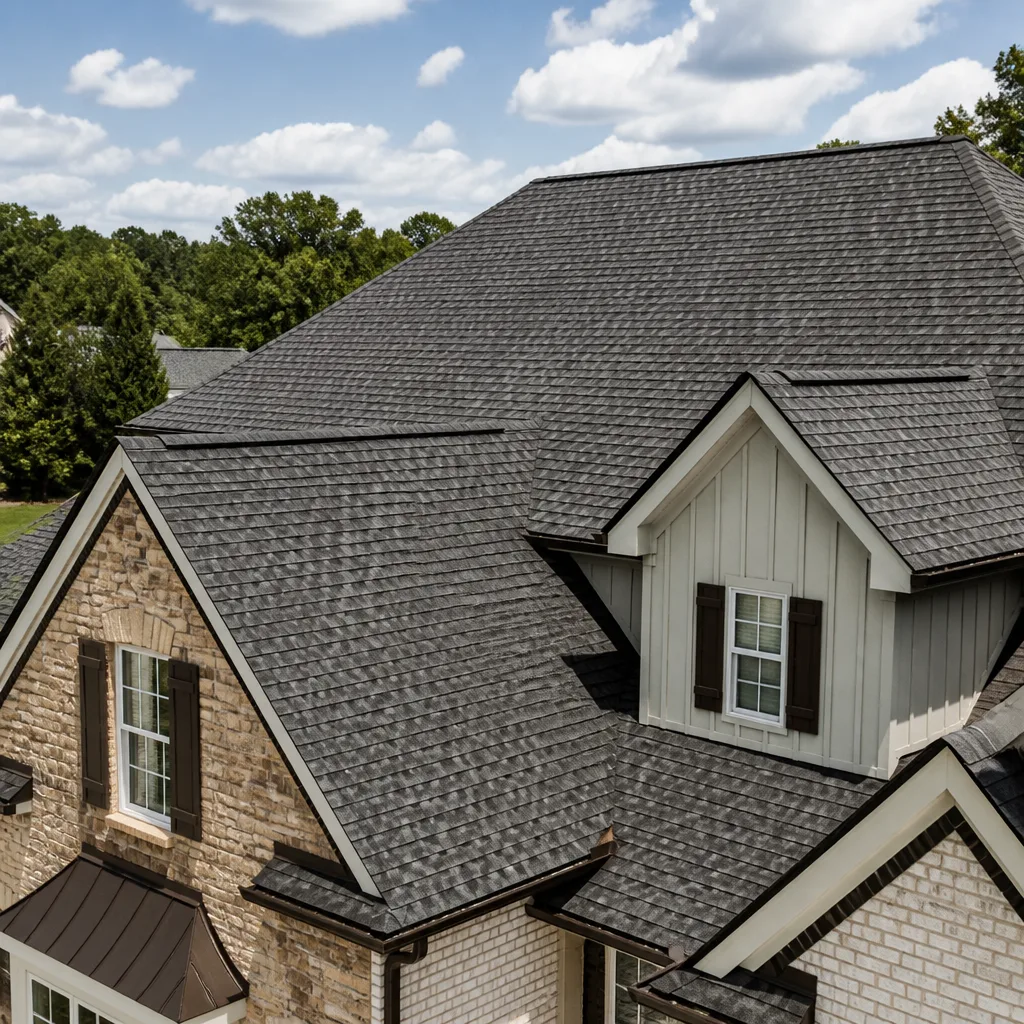
James Hardie roofing repair in Campbell typically runs $400-$1,800 for most part replacements, with full Hardie panel or shingle replacement falling in the $8,000-$20,000 range depending on roof pitch and substrate condition. We stock James Hardie-compatible trim, flashing, and fastener systems on our trucks, and most Campbell calls are diagnosed and quoted same-day. Most owners discover a problem when they spot fiber-cement dust collecting in gutters, or when a neighbor points out a panel edge lifting near the valley - both signs that the Hardie system’s tight tolerances have been compromised.
Which James Hardie Models This Applies To
James Hardie roofing falls into two main product families: the HardieShingle line (individual fiber-cement shingles in straight, staggered, or half-round profiles) and the HardiePanel vertical siding used in some modern Campbell roof-to-wall transitions, particularly the flat-roof sections common near the Pruneyard and along Bascom Avenue’s mid-century builds. The critical identifier is the stamped production code on the back face of any removed piece - it reveals the manufacturing plant, date, and exact profile. Pre-2012 panels from the Fontana plant carry a slightly different nail-line spacing than current stock, which matters when matching replacement pieces to existing courses.
We source OEM James Hardie where the color match must be exact, particularly for the Monterey Taupe and Boothbay Blue palettes still visible throughout the Cambrian Park and Willow Glen-adjacent sections of Campbell. For hidden flashing, underlayment, and fastener systems, we use quality aftermarket equivalents - Vycor Plus self-adhering membrane and Grip-Rite hot-dip galvanized roofing nails rated for fiber-cement density. The aftermarket decision saves roughly 15-20% on material without touching the visible surface. If your home carries a James Hardie ColorPlus finish, only OEM panels will carry the same baked-on acrylic coating; site-painted touch-ups fail within two Campbell summers.
Signs Your James Hardie Roofing Is Failing
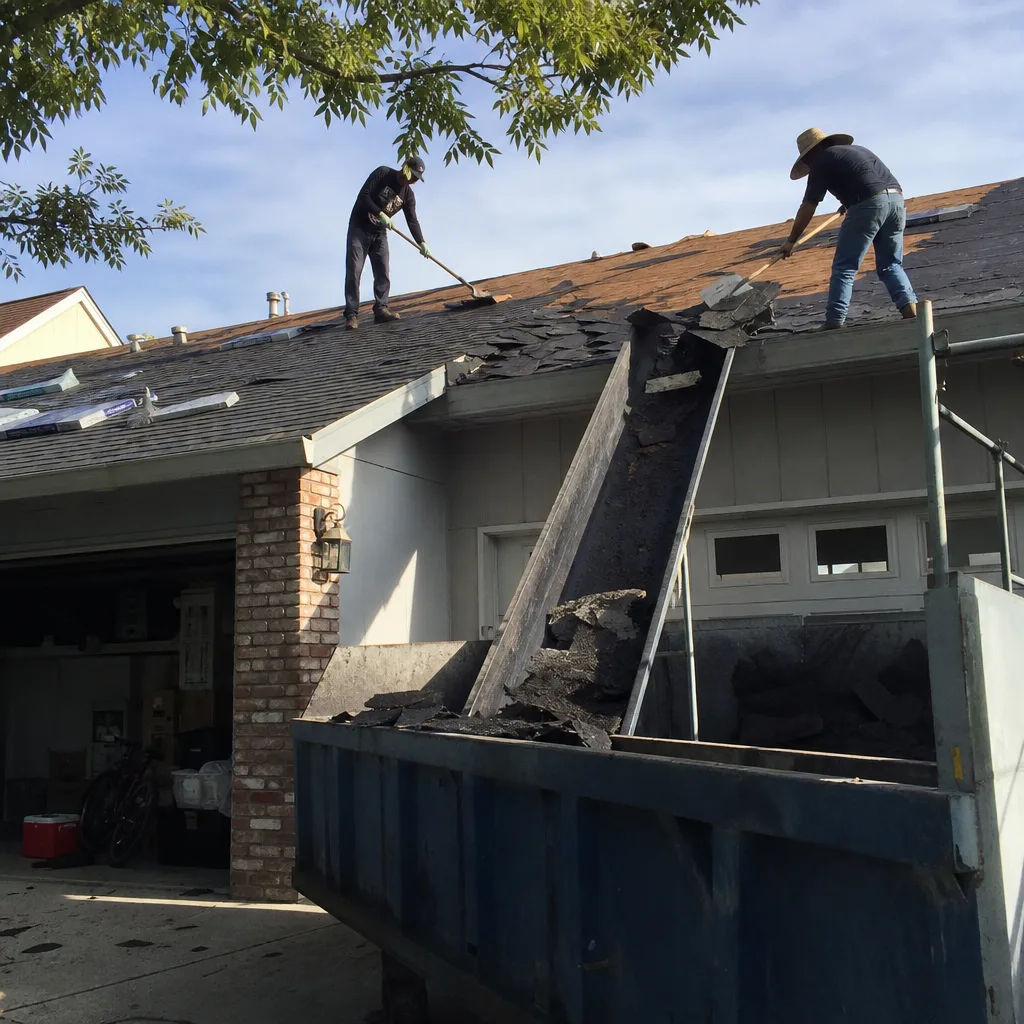
- Edge delamination at the bottom course. Fiber-cement absorbs moisture through unsealed edges, then the freeze-thaw cycle (rare but real in Campbell’s January mornings) separates the composite layers. The panel looks intact from the street but crumbles when prodded.
- Rust streaks below nail heads. James Hardie specifies ring-shank hot-dip galvanized nails; standard electro-galvanized fasteners bleed rust through the face in 3-5 years, especially where morning fog lingers near the Los Gatos Creek corridor.
- Cracking at panel joints. Hardie systems require 1/8-inch gaps at butt joints with Color-matched caulking or factory joint flashing. Caulk shrinks; water enters; the substrate swells and cracks the panel from behind.
- Soft spots near valleys or penetrations. The fiber-cement itself is waterproof, but the accessory flashing - step flashing, pipe boots, valley metal - degrades faster than the panels. Water finds the path of least resistance and rots the OSB or plywood beneath.
- Granular debris in gutters that isn’t asphalt. HardieShingle’s painted surface slowly erodes where foot traffic, overhanging branches, or pressure-washing abrade the acrylic coat. The debris looks like fine sand; it means the protective layer is gone.
 Before
 After
AfterReplacement Cost & What’s Included
| Scope | Campbell Price Range | What’s Included |
|---|---|---|
| Spot repair (1-3 panels, flashing) | $400-$1,800 | Removal, substrate inspection, OEM or matched panels, new fasteners, sealant, photo documentation |
| Partial re-roof (one slope/elevation) | $3,500-$7,500 | Full tear-off to decking, replace compromised substrate, new underlayment, Hardie panels, trim, painted touch-points |
| Full James Hardie roof replacement | $8,000-$20,000 | Complete removal, decking inspection and replacement as needed, upgraded synthetic underlayment, full Hardie system, new flashing kit, 365-Day Done Right Promise |
The spread within each range comes down to three factors: roof pitch (steeper means more labor hours and safety setup), substrate condition (we find soft OSB beneath Hardie systems in about 30% of Campbell homes built 1995-2010), and whether the ColorPlus finish is still available or requires full re-coating. Under Clause 1 of the Haven Standard, you get the written price before anyone climbs the ladder - every time. Our quote lists line-item material, labor, disposal, and permit costs separately. No change proceeds without a signed change order, which is why our projects finish within a few percent of the number you agreed to.
DIY or Call Us?
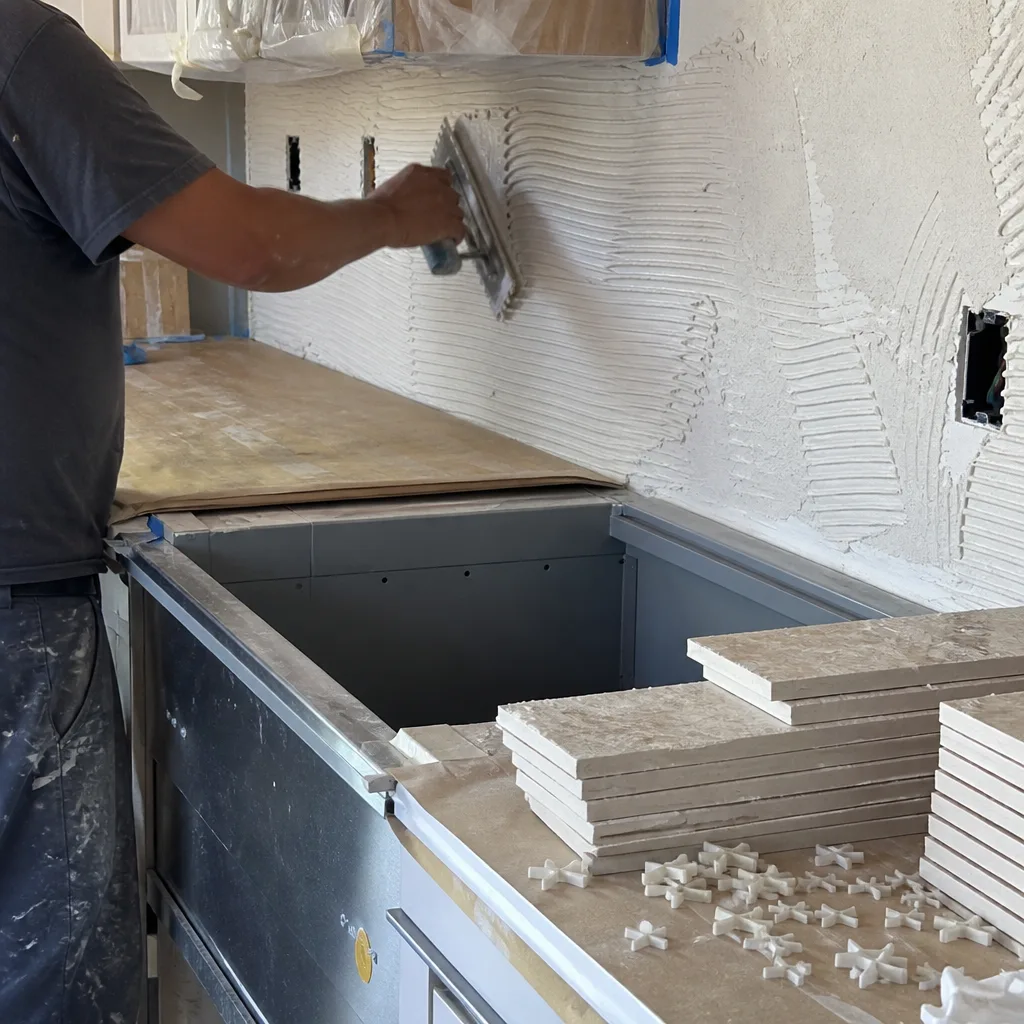
There’s a safe middle ground. A homeowner can walk the perimeter with binoculars, photograph suspicious areas, and check the gutter debris - that’s useful intelligence we can review by text before scheduling. What you shouldn’t do: climb a pitched roof with fiber-cement dust underfoot (it’s slicker than asphalt), attempt to cut Hardie panels with a standard wood blade (silica dust requires respirator-rated PPE and wet-cutting equipment), or pry up panels to check substrate without knowing what’s supporting your weight.
James Hardie’s 5/16-inch panels span 24 inches on center in walls but only 16 inches in roof applications; step in the wrong place and you’ll crack three panels at once. We’ve replaced DIY “repairs” in Campbell where the owner saved $200 on labor and cost themselves $1,400 in collateral damage. Call (831) 704-1211 and we’ll scope it properly, document what we find with photos you keep, and give you a written price before any work starts.
FAQs
Properly installed James Hardie roofing lasts 30-50 years in Santa Clara County’s dry-summer, mild-winter pattern. The failure point is almost never the fiber-cement itself - it’s the fasteners, flashing, or substrate that goes first, typically at 15-25 years where the original installer used substandard nails or skipped the rain-screen detail. Call (831) 704-1211 for an exact assessment of your system’s remaining life; estimates are free.
Localized repair is viable when the damage covers less than 20% of the total roof area and the original ColorPlus color is still in production. Beyond that, patchwork becomes visible within two years as sun exposure fades the old and new panels at different rates. We measure twice, document once, build it right - and we’ll tell you honestly when repair is throwing good money after bad.
Spot repairs finish in one day. A partial re-roof runs 2-3 days. Full replacement on a typical 1,800-square-foot Campbell home takes 4-6 days, including permit pulling and inspection scheduling - Campbell’s building department usually inspects within 48 hours of request. We don’t promise same-day completion on full replacements; anyone who does is cutting corners on drying times or inspection holds.
We stock Hardie-compatible fasteners, flashing, underlayment, and sealants on every truck. OEM ColorPlus panels are ordered to match your production code, with 3-5 day lead time from the Fontana distribution center. For emergency weatherproofing, we carry close-match primed panels that can be installed immediately and top-coated once the exact color arrives. Call (831) 704-1211 to schedule your free estimate.
Written by Grant Rowan, Owner, Rowan Construction Group Campbell at Rowan Construction Group Campbell, serving Campbell and nearby areas.