
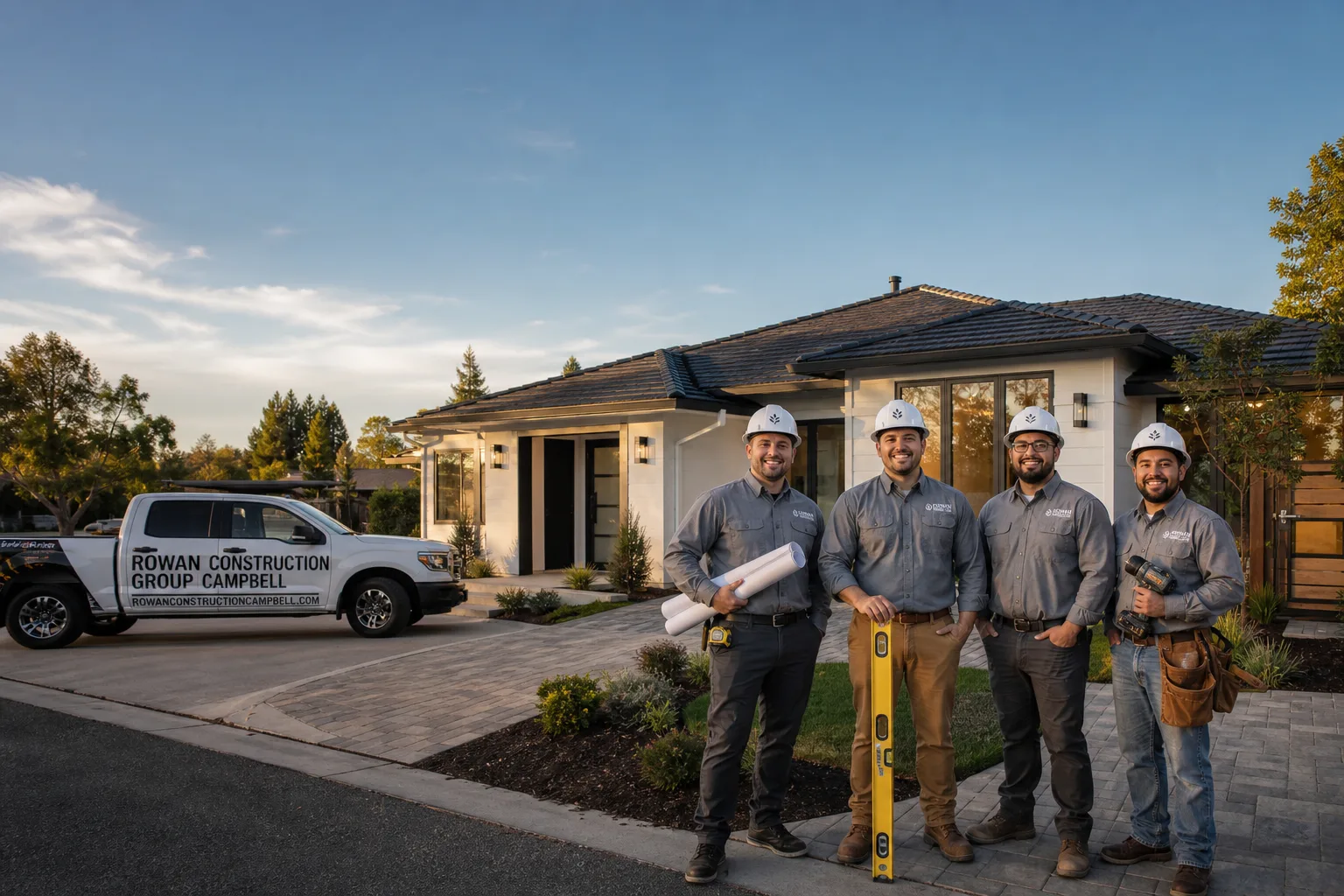
Free written scope consultation - allowances, timeline, and change-order rules on paper before a single trade is scheduled
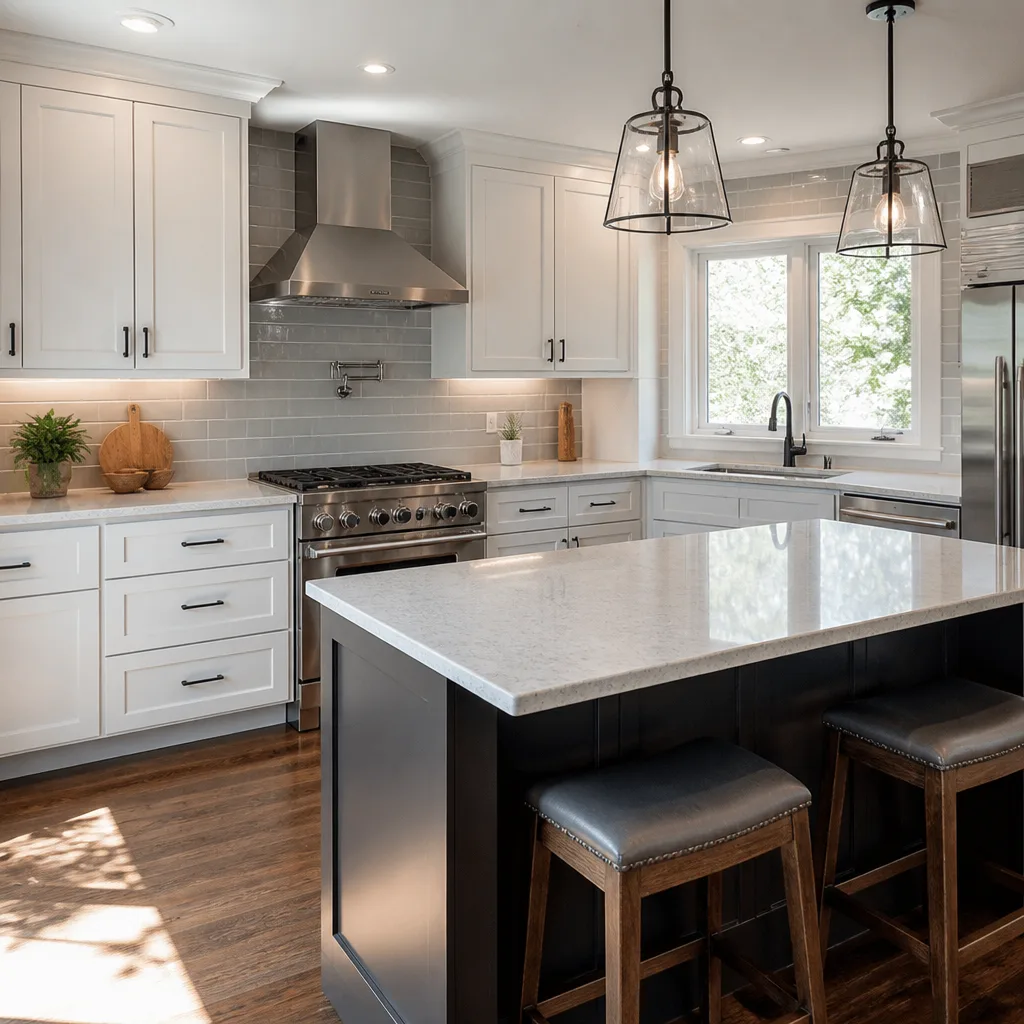
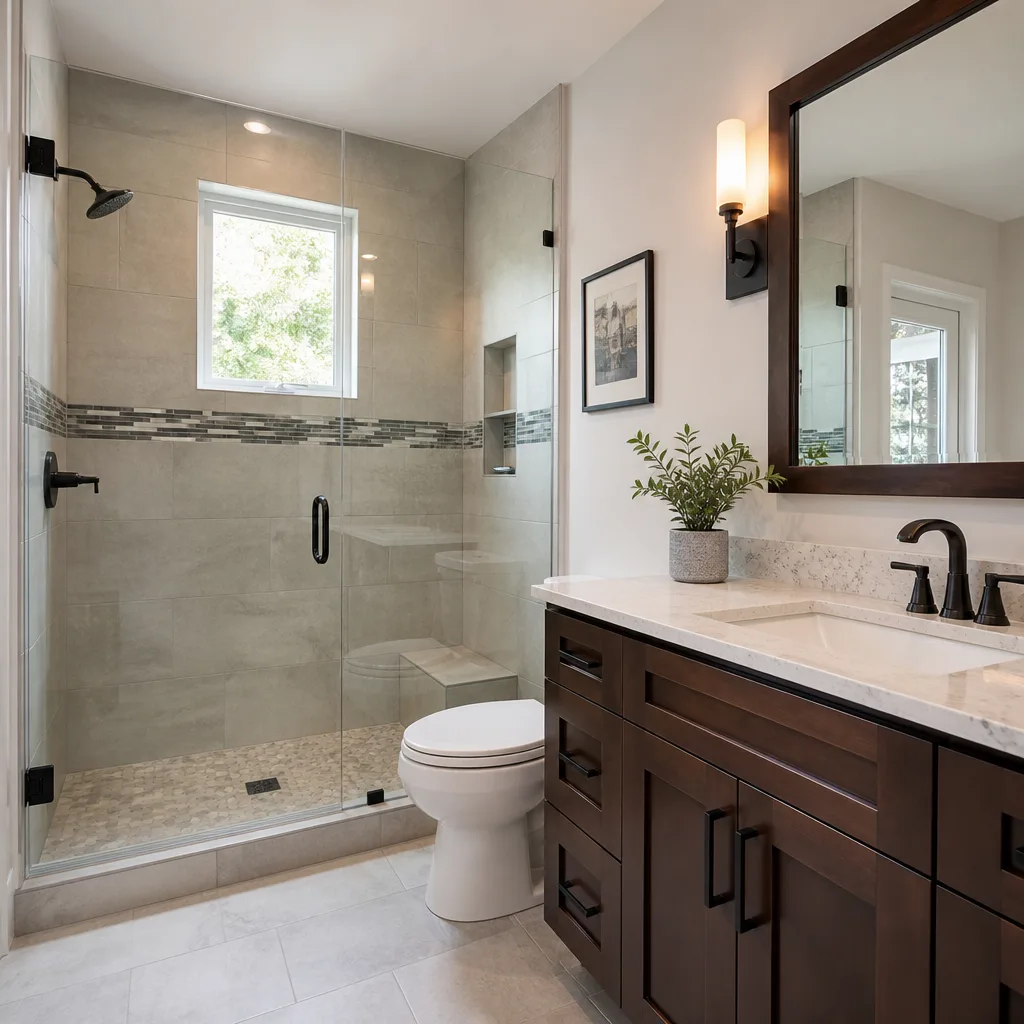
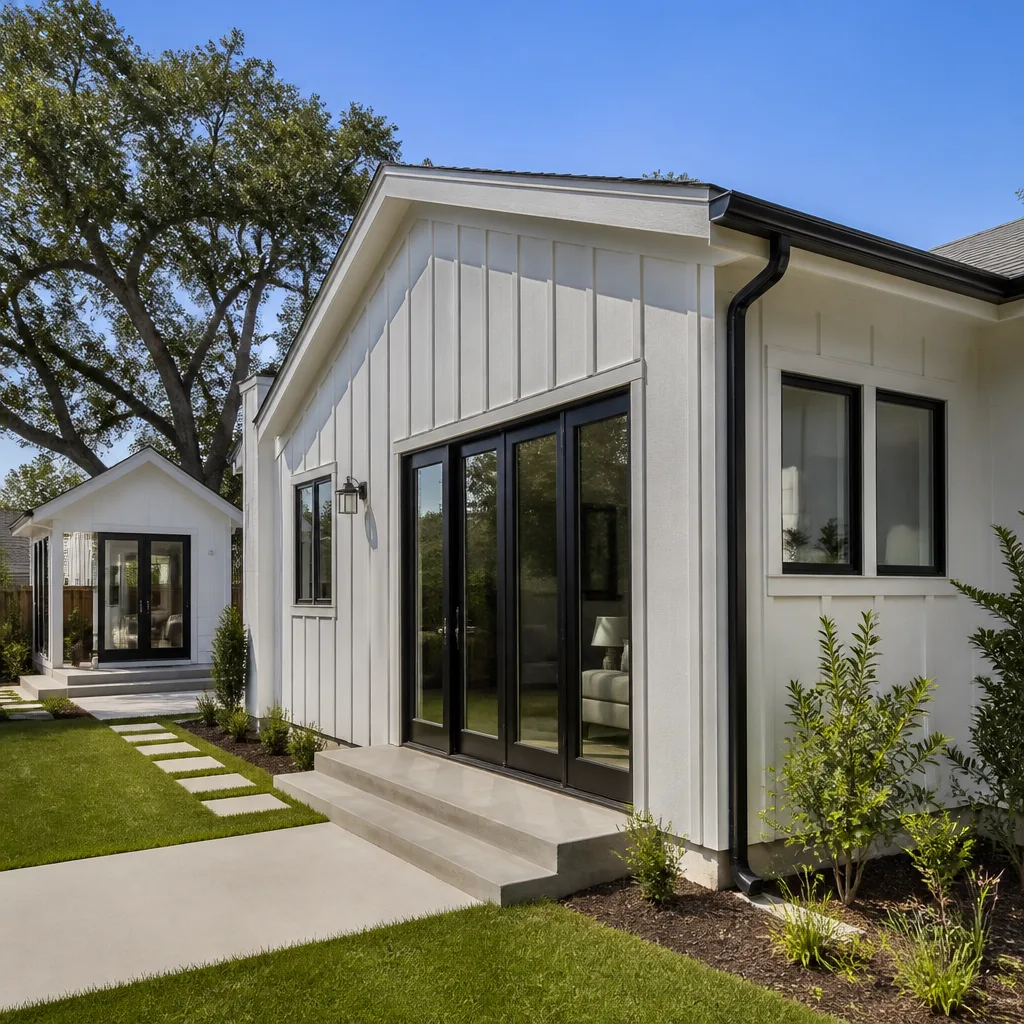
 Before
 After
After Before
 After
After Before
 After
AfterHow Much Does Aluminum Fence Installation Cost in Campbell?
Aluminum fence installation in Campbell, CA typically runs $4,000 to $10,000 for a standard residential project, with most homeowners landing between $5,500 and $7,500 depending on linear footage, fence height, and the grade of aluminum selected. That range covers material, labor, post setting, and gate installation for a typical single-family lot in neighborhoods like Rincon, Hacienda, or the older subdivisions near Campbell Avenue. A written price – with a flat number and a defined scope – is delivered before any crew sets foot on your property, under Clause 1 of the Haven Standard.
Aluminum Fence Installation Cost Breakdown (2026)
Aluminum fence installation costs in Campbell break down across several line items. The table below reflects 2026 pricing in the South Bay market, calibrated to what suppliers and licensed crews are actually charging in Santa Clara County right now.
| Cost Component | Typical Range (Campbell, 2026) |
|---|---|
| Materials (panels, posts, rails) | $18 – $45 per linear foot |
| Labor (installation, post setting) | $12 – $28 per linear foot |
| Concrete for post footings | $150 – $400 per project |
| Single gate (4-foot wide) | $350 – $650 installed |
| Double drive gate (10-12 foot wide) | $750 – $1,400 installed |
| Permit (City of Campbell) | $150 – $350 depending on scope |
| Old fence removal and haul-off | $300 – $900 per project |
| Full project (150-200 linear feet) | $4,000 – $10,000 total |
The biggest variable is the aluminum grade itself. Residential-grade aluminum – typically .060-inch wall thickness with a powder coat finish – sits at the lower end of the material range and works well for most Campbell backyards. Commercial-grade panels, which run .125-inch wall thickness and are often spec’d for properties along Winchester Boulevard or commercial-adjacent lots in the Pruneyard area, push material costs toward the top of the range. Powder coat color selection (standard black or bronze vs. custom colors) adds $2 – $5 per linear foot. Ornamental top styles – flat top, spear top, or dog-ear – change the fabrication cost slightly but rarely move the needle more than $3 per linear foot at current supplier pricing.
One cost that Campbell homeowners sometimes overlook: slope. Lots along the hillside edges of the city, particularly backing up to the Los Gatos Creek corridor or the steeper parcels near Highway 17, often require raked or stepped panel installation to follow grade changes. Raked panels add roughly $4 – $8 per linear foot in labor because the installer has to custom-fit each panel rather than drop in standard sections. If your yard has more than 6 inches of vertical drop per 10 feet of horizontal run, ask your estimator specifically how they plan to handle the grade transition – and ask to see that answer in the written scope.
What Affects Aluminum Fence Installation Pricing in Campbell
- Linear footage and lot configuration: This is the most direct cost driver. A simple rectangular lot perimeter of 150 feet costs less to fence than the same footage with six corners, multiple gate openings, or sections that dog-leg around a pool or HVAC equipment. Campbell’s older neighborhoods – particularly the post-war subdivisions near Campbell Community Center – tend to have irregular lot lines that add corners and complexity.
- Fence height: Standard residential aluminum panels come in 3-foot, 4-foot, and 6-foot heights. The City of Campbell’s fence ordinance generally limits front-yard fences to 3 feet and side or rear fences to 6 feet without a variance. Taller panels use more material and heavier posts, so moving from a 4-foot to a 6-foot fence typically adds $6 – $12 per linear foot in combined material and labor cost.
- Soil and subsurface conditions: Clay-heavy soil – common in the flatlands between Campbell Avenue and Bascom Avenue – can slow post-setting considerably because it doesn’t drain well and often requires deeper footings to meet code. In those areas, post holes typically go 30 to 36 inches rather than the 24 inches common in sandy or amended soil. Deeper footings mean more concrete and more labor time.
- Gate count and hardware grade: Each gate is essentially a custom fabricated unit. A single pedestrian gate with a self-closing hinge and a latch is a straightforward add-on. A double drive gate with a drop rod, a key-lockable latch, and an automatic closer is a different conversation – materials alone for a well-made double gate run $400 – $700 before installation. If you want a gate with an electric opener, that’s a separate trade scope and a separate permit line in most Campbell projects.
- Old fence removal: Pulling an existing wood fence is labor and disposal cost that doesn’t appear in material quotes. A typical 150-foot section of 6-foot cedar board-on-board with concrete footings takes 4 to 6 hours to demo, haul, and clear. That’s $300 – $900 depending on the weight of the material and current disposal rates at South Bay recycling facilities. Get this line item in writing before you sign anything.
- Permit requirements: The City of Campbell requires a building permit for most fence installations over 3 feet in height adjacent to a public right-of-way, and for any fence regardless of height that is within a designated flood zone (some properties near Los Gatos Creek fall into this category). Permit fees typically run $150 – $350. More importantly, a permit triggers an inspection, which protects you: if the work doesn’t pass, the contractor has to make it right before the city closes the permit. Rowan pulls the permit on your behalf and the documentation goes in your project file.
 Before
 After
AfterHow Aluminum Compares to Other Fence Materials in Campbell
Aluminum’s installed cost in Campbell – $4,000 to $10,000 for a standard residential project – sits above vinyl’s $3,500 to $9,000 range and well below wrought iron, which typically runs $8,000 to $18,000+ for comparable footage and style. Wood fencing installs cheaper upfront but carries a maintenance cost that aluminum doesn’t: no staining, no painting, no rot repair. In Campbell’s climate, which sees 15 to 17 inches of rain per year concentrated between November and March, a powder-coated aluminum fence won’t swell, warp, or develop fungal staining the way a cedar fence will after five wet winters.
The other comparison that matters in this market is longevity. A residential-grade aluminum fence, properly installed with concrete footings and factory powder coat, carries a manufacturer warranty of 20 to 30 years from most major suppliers. A treated pine fence in the same Campbell backyard typically needs full replacement in 10 to 15 years. When you divide the total cost by expected service life, aluminum’s cost-per-year is often lower than wood, even though the upfront number is higher.
For homeowners comparing quotes, you can find full details on our Aluminum Fence Installation in Campbell service page, which covers material grades, panel styles, and what to look for in a written scope.
City of Campbell Permit and Code Notes (2026)
Campbell sits within Santa Clara County’s jurisdiction for some code matters but issues its own building permits through the Community Development Department on North Central Avenue. For aluminum fence installation, the relevant rules as of 2026 are:
- Front yard fences: maximum 3 feet without a variance. This applies to the area between the front property line and the front face of the house.
- Side and rear yard fences: maximum 6 feet. Fences between 6 and 8 feet require a building permit and inspection; fences over 8 feet require a variance from the Planning Commission.
- Corner lots have additional restrictions regarding sight triangles – fences near street intersections must stay below 3 feet within a 25-foot triangular area measured from the corner. If your property is on a corner in neighborhoods like Budd Park or along Hacienda Avenue near Leigh Avenue, this affects your layout options.
- Properties in Special Flood Hazard Areas near Los Gatos Creek may have FEMA-regulated restrictions on fence construction that layer on top of city code. A title search or FEMA flood map check can confirm whether your parcel is affected before you order materials.
Pulling a permit adds $150 – $350 to your project cost and a few days to the timeline for inspection scheduling. It also gives you a documented record of the installation that matters when you sell the property – a buyer’s inspector who finds a fence installed without a required permit can flag it as a deficiency. Rowan handles permit application and scheduling as part of the written project scope; the fee is a line item in your quote, not a surprise at closeout.
How to Save on Aluminum Fence Installation
The clearest way to control cost is to be precise about scope before you get a single quote. Know your linear footage – measure the perimeter yourself with a tape measure or use your parcel map from the Santa Clara County Assessor’s Office, which is publicly searchable. Knowing your footage means you can compare quotes on a per-linear-foot basis and immediately spot when a contractor is quoting a different quantity than their competitor.
A few other practical approaches:
- Hold your gate count to what you actually need. Every gate adds $350 – $1,400 to the project. A secondary pedestrian gate on the side yard that you’d use twice a year isn’t worth $500. Audit each opening against how you actually use your yard.
- Standard panel heights install faster than custom heights. If a 4-foot fence accomplishes what you need, there’s no reason to pay for 5-foot panels, which often have to be special-ordered from the fabricator and extend the material lead time by one to three weeks in the current South Bay supply chain.
- Standard colors cost less. Black and bronze powder coat are stocked. Custom color matching adds fabrication time and a per-unit upcharge. Unless the HOA or your design requires a specific color, standard finishes perform identically and save money.
- Get a second opinion on any written estimate. Rowan’s standing offer: bring a competitor’s written quote and we’ll review it line by line at no charge. That offer is on the table because we’re confident in our numbers and because a homeowner who understands the line items makes a better client.
- Plan the timeline for late winter or early spring in Campbell. Scheduling pressure in the South Bay peaks from May through September when everyone is thinking about their outdoor space. If your project can start in February or March, crew availability is better and some material suppliers offer better pricing on aluminum panels before the spring rush.
To get a written price for your specific lot – footage, slope, gate count, and all – call (831) 704-1211. The estimate is free, the number is flat, and it comes with a written scope before anyone picks up a shovel. That’s what “call for a quote” actually means at Rowan.
What the Installation Process Looks Like
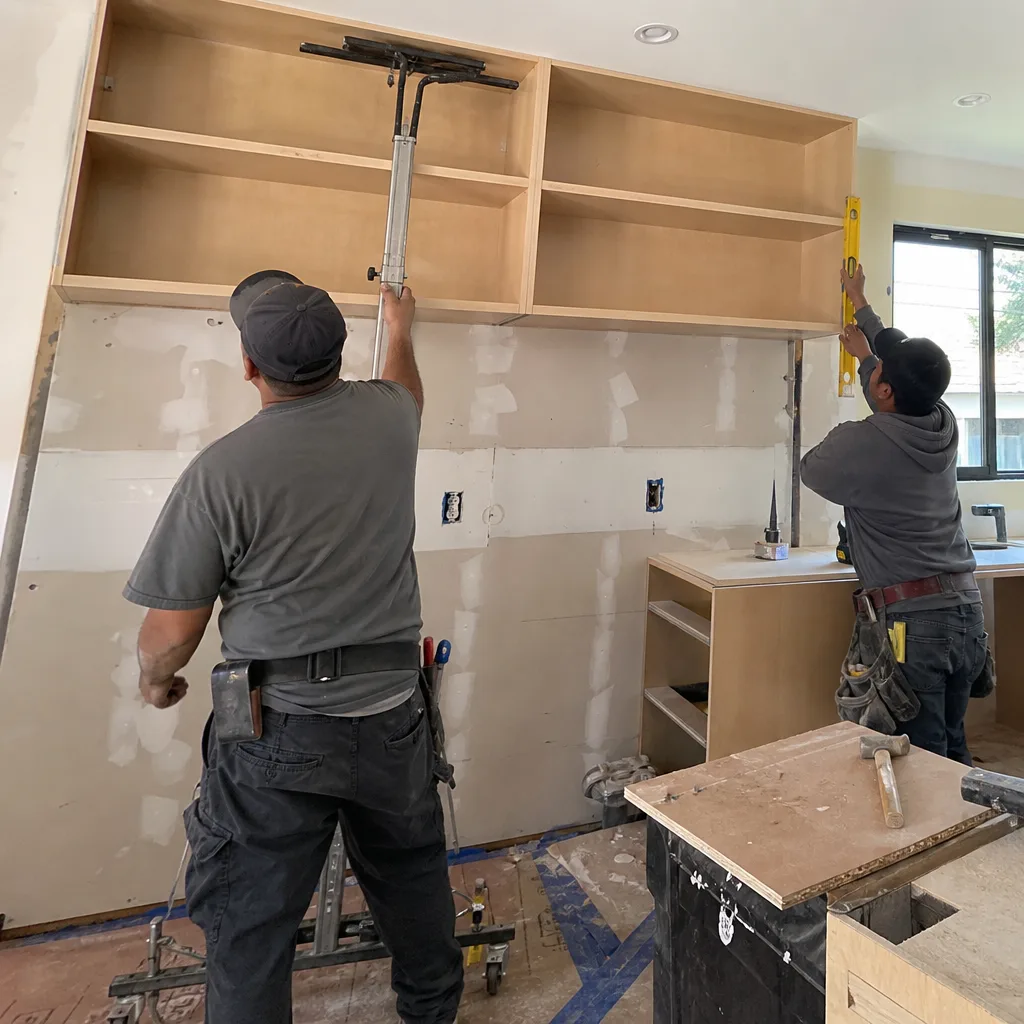
Understanding the sequence helps you evaluate whether a contractor’s timeline and scope are realistic.
Site assessment: A Rowan estimator walks the perimeter, measures footage, notes grade changes, identifies utility locations (call 811 is required before any post digging in California), and documents existing conditions with photographs. That photo record is the baseline against which the finished installation is compared – it’s included as standard, not an upgrade.
Written quote and scope: Before anything is ordered, you receive a flat price with a defined scope that specifies the panel grade, height, color, gate configuration, post spacing, footing depth, and permit status. Under Clause 1 of the Haven Standard, no work starts until this document is signed by both parties.
Permit application (if required): Rowan files with the City of Campbell’s Community Development Department. Typical processing time for a straightforward fence permit in Campbell is 5 to 10 business days in 2026, though timing can stretch during high-volume periods.
Material delivery and layout: Panels, posts, rails, and hardware are delivered to site. The crew lays out post locations, marks them with spray paint or stakes, and calls 811 if not already done. In Campbell’s flatland neighborhoods, the distance from curb to property line varies block to block – the crew confirms the fence line is inside your property before any concrete is poured.
Post setting: Holes are dug to specified depth (typically 30 inches in Campbell’s clay-heavy flatland soil), posts are set plumb, and concrete is poured. Concrete needs 24 to 48 hours to cure before panels are hung – don’t let any contractor skip this step. Posts moved before the concrete sets will shift under load.
Panel and rail installation: Rails are fastened to posts, panels drop into the rail channels, and all fasteners are stainless steel or aluminum to prevent galvanic corrosion against the aluminum panels. Gates are hung, adjusted for swing clearance, and hardware is tested for positive latching. A warped gate that doesn’t latch cleanly on day one will only get worse.
Final inspection and photo record: The crew documents the finished installation with photographs that go into your project file. If a city inspection is required, Rowan schedules it and coordinates access. You don’t chase the inspector – we do.
The 365-Day Done Right Promise on Fence Work
Aluminum fence installation is one of those trades where problems show up over time rather than immediately: a post that shifts slightly in loose soil, a gate hinge that settles and starts dragging, a panel that worked itself loose at the rail connection after a few wet-dry cycles. Rowan’s 365-Day Done Right Promise covers exactly this kind of deferred reveal. If something isn’t right within the first year, we come back and make it right – that’s not a handshake promise, it’s printed in the Haven Standard terms, which are available in full before you sign anything.
The fence installation category across Rowan’s 4,000-plus projects since 2007 has had a low callback rate precisely because the installation process – verified utility clearance, correct footing depth, proper curing time, stainless fasteners – is documented rather than assumed. But the guarantee is there because even a well-built fence can encounter conditions nobody anticipated, and you shouldn’t be the one absorbing that cost.
Aluminum Fence Styles Available in Campbell
The style choice affects both price and permit classification, so it’s worth knowing the options before your estimator arrives.
- Flat-top panels: The most economical fabrication, clean horizontal sightline, works well in contemporary Campbell homes, particularly in the newer construction near the Hamilton neighborhood and the townhomes along Dell Avenue. Typical material cost: $18 – $28 per linear foot.
- Spear-top (picket top) panels: The classic ornamental look. Vertical pickets terminate in a pointed spear finial. Adds $3 – $6 per linear foot in material over flat-top equivalents because of the machined tips. Works well with the Spanish-revival and craftsman homes in Campbell’s older residential streets.
- Dog-ear / pressed point: A softer decorative tip, less aggressive than a spear, often used where a fence runs close to a sidewalk or public pathway. Pricing falls between flat-top and full spear.
- 3-rail commercial grade: Three horizontal rails instead of two, heavier-gauge posts, used for perimeter security applications or where the fence will take physical impact (backing up to a play area, adjacent to a parking surface). Material cost runs $35 – $45 per linear foot. Some Pruneyard-area commercial-adjacent properties and larger Campbell estates request this grade.
- Pool code compliant panels: California Building Code requires pool barriers to be at least 60 inches (5 feet) tall with self-closing, self-latching gates, and picket spacing cannot allow a 4-inch sphere to pass through. If your aluminum fence is part of a pool barrier in Campbell, these specs must be called out explicitly in the written scope – a fence that doesn’t meet pool code creates liability and will fail inspection.
FAQs – Aluminum Fence Installation Cost in Campbell
How much does aluminum fence installation cost in Campbell, CA?
Aluminum fence installation in Campbell costs $4,000 to $10,000 for a typical residential project, with most homeowners spending between $5,500 and $7,500. The range reflects differences in linear footage, panel grade, fence height, gate count, and whether old fencing needs to be removed first. Call (831) 704-1211 for a written price specific to your lot – the estimate is free and comes with a defined scope before any work starts.
Is aluminum fencing cheaper than wood or vinyl in Campbell?
Aluminum ($4,000 to $10,000 installed) costs more upfront than vinyl ($3,500 to $9,000) and roughly the same as mid-grade wood in the current South Bay market. But aluminum carries no annual maintenance cost – no staining, painting, or rot treatment – which typically makes it less expensive over a 15 to 20 year horizon than wood, which needs replacement in that timeframe in Campbell’s wet winters. Vinyl lasts longer than wood but is more susceptible to impact damage than aluminum and has fewer style options.
Does the City of Campbell require a permit for aluminum fence installation?
Yes, in most cases. Campbell requires a building permit for fences over 3 feet in the front yard or over 6 feet anywhere on the property. Some properties near Los Gatos Creek also fall under FEMA flood zone requirements that add a review step. Permit fees typically run $150 to $350. Rowan files the permit application and coordinates the inspection as part of your project scope – permit cost is a named line item in your written quote, not something added after the fact.
How long does aluminum fence installation take in Campbell?
Most residential aluminum fence installations in Campbell take 2 to 4 days of crew time once materials are on-site. The full project timeline from signed contract to finished fence is typically 2 to 4 weeks, accounting for permit processing (5 to 10 business days in Campbell as of 2026), material lead time (1 to 3 weeks depending on panel style and color), and scheduling. Projects with custom panel heights or non-standard colors take longer because panels are fabricated to order. The written scope you receive before work starts will include a realistic timeline, not an optimistic one.
What should I look for in an aluminum fence installation quote?
Four things: a named linear footage so you can verify it against your own measurement, a specified panel grade (residential .060-inch vs. commercial .125-inch wall thickness), a gate count with hardware type described, and a clear statement of who pulls the permit and whether demo of old fencing is included. A quote that gives you a total number without these details is a number that can change. If you have a competitor’s written estimate, bring it to Rowan and we’ll review it line by line at no charge – that’s the Free Second Opinion offer and it’s standing.
Can aluminum fence installation affect my Campbell property’s resale value?
Generally yes, positively. A permitted aluminum fence installation appears in the property record and survives a buyer’s inspection without flagging as unpermitted work – which a fence installed without a required permit often does. Aluminum fencing with a clean powder coat finish photographs well and adds defined outdoor space, which buyers in Campbell’s market (median home price above $1.4 million as of late 2025) respond to. The style choice matters: ornamental spear-top or flat-top aluminum fits the aesthetic of most Campbell neighborhoods better than chain link and adds curb appeal that chain link doesn’t.
Key Takeaways
- Aluminum fence installation in Campbell runs $4,000 to $10,000, with most projects landing at $5,500 to $7,500.
- Per-linear-foot cost is $30 to $73 all-in (materials, labor, footings), depending on panel grade and fence height.
- The City of Campbell requires permits for most fence installations over 3 feet – Rowan handles the filing.
- Slope, clay soil, gate count, and old fence removal are the four variables that most often push projects toward the upper end of the range.
- A written price with a defined scope comes before any work starts – that’s Clause 1 of the Haven Standard, not a process suggestion.
- The 365-Day Done Right Promise covers workmanship issues that emerge in the first year after installation.
- Pool barrier fences must meet California’s 60-inch height and self-latching gate requirements – ask for these specs by name in your written scope.
Rowan Construction Group has been delivering written prices and documented project records across Campbell and the South Bay since 2007 – over 4,000 projects, every one with a flat price before work started. Grant Rowan built the company on a single discipline: the number you agree to is the number you pay, backed by a signed change order process that has kept project costs within a few percent of the agreed figure across every trade we work in, including fence installation.
If you’re pricing an aluminum fence for your Campbell property and want a written number before you commit to anything, call (831) 704-1211. The estimate costs nothing, covers your full scope, and comes with a photo record of existing site conditions so you know exactly what the crew found before they started.
Pricing reflects the Campbell market as of 2026. Rowan Construction Group Campbell offers free estimates – call (831) 704-1211.
Written by Grant Rowan, Owner at Rowan Construction Group, serving Campbell since 2007.
What Our Customers Say
"Driveway replaced properly with a base that will actually last. They explained why the cheaper quote was cheaper."
- Reggie O."Fence and retaining wall along a sloped boundary. They photographed the footing depth at each post, which mattered when the county inspector came."
- Iona F."Final invoice was within two percent of the contract. Every change was priced and signed before anyone picked up a tool."
- Malcolm T.