
Free written scope consultation - allowances, timeline, and change-order rules on paper before a single trade is scheduled
 Before
 After
After Before
 After
After Before
 After
AfterBoxabl Roofing: The Campbell Owner’s Guide
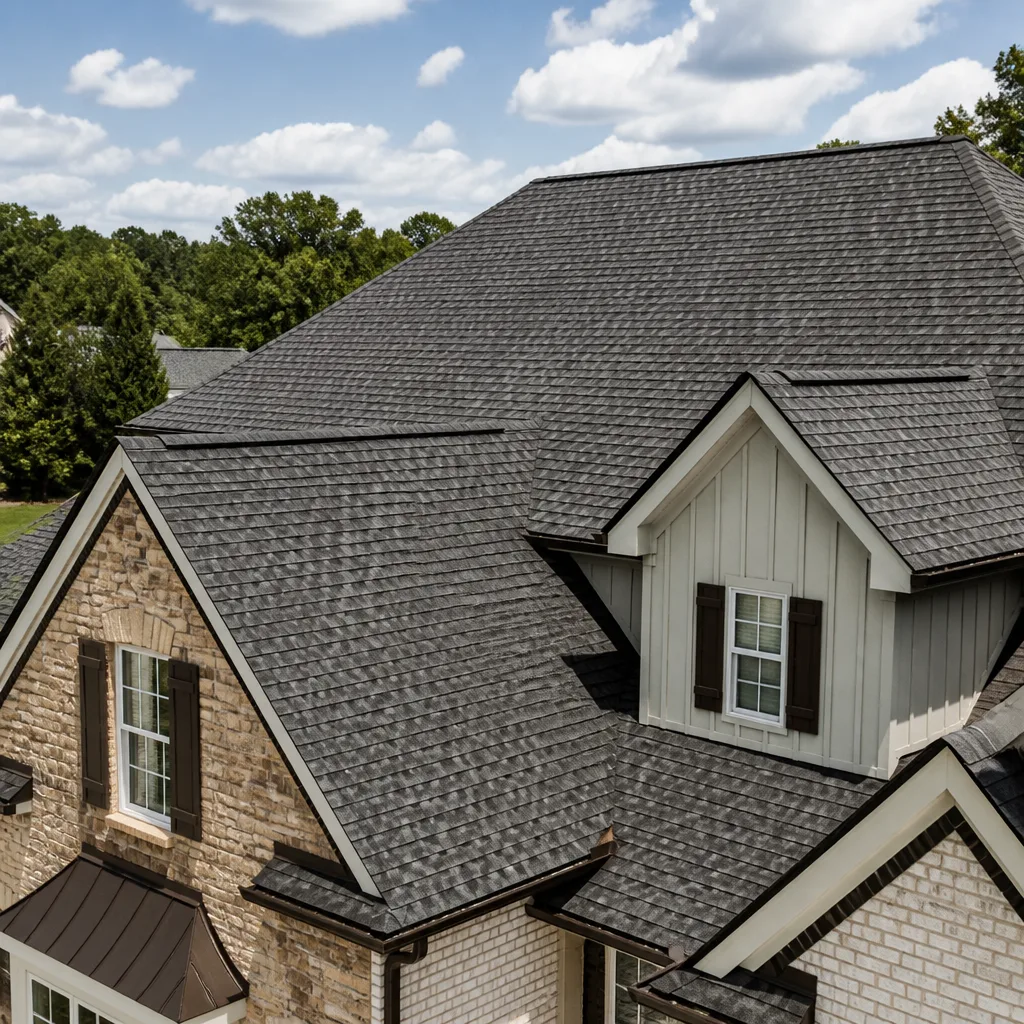
Boxabl-compatible roofing repair and replacement in Campbell typically runs $400-$1,800 for repairs and $8,000-$20,000 for full replacement, with most common flashing and membrane parts available same-day through our local supply chain. We stock the specialized low-slope membrane systems and custom flashings that Boxabl’s factory-integrated roof design requires, since standard residential shingles won’t interface correctly with the unit’s built-in drainage channels. Most Campbell owners discover a problem when they spot water staining on the interior ceiling panel near the HVAC penetration, or when the spring windstorms lift the edge flashing enough to break the seal.
Which Boxabl Models This Applies To
Boxabl has shipped three roof configurations since 2020, and the parts are not interchangeable across them. The Casita (20′ × 20′) uses a 3:12 pitch membrane system with integrated gutters; the Boxabl Accessory Dwelling Unit line (20′ × 40′ and 20′ × 60′) runs a flat-to-low-slope TPO membrane with parapet walls; early pilot units from 2019-2020 shipped with a modified bitumen torch-down that Boxabl discontinued after thermal cracking reports in desert climates.
To identify your roof type, check the data plate inside the electrical panel - the roof spec is line item 7, coded MEM-312, TPO-LP, or MB-TD. The membrane width on the Casita is a full 20′ seamless roll, which means no field seams but also means a replacement requires a crane or specialized roll handler; the ADU line uses 10′ sheets with heat-welded seams, so partial repairs are possible. We source OEM-grade TPO from Carlisle and Firestone, the same suppliers Boxabl uses, and we also stock a reinforced aftermarket membrane from GAF that carries a 20-year rating versus Boxabl’s 15-year factory membrane. The aftermarket option saves roughly 15% on material cost but requires a different adhesive at the parapet wall, which is why we quote both and note the specification difference in writing.
Signs Your Boxabl Roofing Is Failing
- Water stains on the interior ceiling panels, usually rectangular and aligned with the panel joints. Boxabl’s ceiling is a finished surface, so water travels along the steel frame before it shows. By the time you see staining, the insulation above is saturated and the vapor barrier is compromised. The cause is almost always a failed seam at the HVAC curb or a puncture from foot traffic during maintenance.
- Lifted edge flashing after Santa Ana wind events or our spring gusts coming off the Santa Cruz Mountains. Boxabl’s roof-to-wall transition uses a pre-formed aluminum gravel stop that locks into a receiver channel. When wind gets underneath, it rolls the metal back like a sardine can lid. We see this most in Campbell’s older neighborhoods near the Pruneyard where mature trees create turbulent airflow patterns.
- Bubbling or alligatoring on the membrane surface, especially on south- and west-facing exposures. The Casita’s dark membrane absorbs significant heat; without proper reflective coating, surface temperatures reach 180°F in July. Thermal cycling degrades the polymer, and the bubbling indicates the reinforcement scrim is separating from the TPO face.
- Standing water 48 hours after rain, particularly at the HVAC curb or near the vent stack cluster. Boxabl roofs are designed with a slight crown for drainage, but settlement of the foundation pad or compression of the perimeter seal can create low spots. The water itself isn’t the failure; it’s the algae growth and accelerated membrane degradation that follows.
- Daylight visible at the parapet wall corner or a rust streak running down the exterior panel below the roof line. This means the coping cap seal has failed and water is entering the wall cavity. On the ADU line, this is critical because the electrical chase runs through that same cavity; we’ve found corroded Romex in three Campbell units where this went unaddressed.
 Before
 After
AfterReplacement Cost & What’s Included
| Service | Campbell Price Range | What’s Included |
|---|---|---|
| Membrane patch (up to 25 sq ft) | $400-$850 | Cut, prep, weld new membrane, seal test, photo record |
| Flashings (HVAC curb, vent, or edge) | $550-$1,200 | Remove failed flashing, clean substrate, install new with butyl tape and mechanical fasteners, sealant |
| Partial membrane replacement (one slope) | $1,800-$4,500 | Remove to deck, inspect substrate, install new membrane, new flashings, 5-year workmanship warranty |
| Full roof replacement, Casita | $8,000-$14,000 | Crane rental, full tear-off, substrate repair, new membrane, new flashings, coping caps, documented photo record, 10-year warranty |
| Full roof replacement, ADU line | $12,000-$20,000 | Same scope with larger surface area, parapet wall rebuild if needed, inspection coordination |
The range depends on three factors: membrane type (OEM Carlisle/Firestone versus GAF aftermarket), substrate condition (we find soft OSB in roughly 30% of units where leaks went unaddressed), and access (tight Campbell lots sometimes require a mini-crane at premium rental rates). Under Clause 1 of the Haven Standard, the written quote itemizes each of these before work starts. No change proceeds without a signed change order, which is how we’ve kept 4,000-plus projects within a few percent of the agreed number since 2007.
DIY or Call Us?
There’s a clear line here. An owner can safely clear debris from the roof surface with a soft broom, check that gutters and downspouts are flowing, and verify the data plate code for part ordering. What you cannot safely do: heat-weld TPO seams, which requires a 500°F automatic welder and proper seam probe testing; replace edge flashings, which involves working at height on a low-slope surface with no tie-off points; or diagnose substrate rot, which requires pulling membrane and knowing what structural integrity looks like in a steel-frame modular unit.
The membrane seam is the critical failure point on most Boxabl roofs, and a DIY patch with peel-and-stick or caulking will leak within one rainy season. We’ve removed enough of these failed attempts in Campbell to know the pattern. If you’re seeing any of the symptoms above, call (831) 704-1211 and we’ll schedule a free estimate with a written price before any work starts.
FAQs
The factory TPO membrane is rated 15 years; in Campbell’s combination of UV exposure and occasional freeze-thaw at the foothill elevation, we see 12-14 years with reflective coating maintenance, or 10-12 years without. The GAF aftermarket membrane we stock carries a 20-year rating and similar real-world performance. Call (831) 704-1211 for an exact quote on coating or replacement - estimates are free.
Localized repairs are viable when the failure is isolated to one flashing or a puncture under 6 inches, and the surrounding membrane is still supple. If there are multiple leak points, alligatoring across more than 20% of the surface, or substrate damage, replacement is the only cost-effective path. We document both options in writing with photos so you can compare. Call (831) 704-1211 for a free assessment.
A Casita membrane replacement takes 2-3 days with crane scheduling; an ADU line unit takes 4-5 days. Campbell permits for modular roof work typically clear in 5-7 business days, which we handle as part of the scope. We pull permits and pass inspections on every job - no exceptions. Call (831) 704-1211 to schedule.
We stock Carlisle TPO in 20′ and 10′ widths, pre-formed HVAC curb flashings, edge metal in white and dark bronze, and the specialized adhesive and sealants Boxabl’s roof system requires. For same-day emergency patching, we carry peel-and-stick TPO that holds until permanent repair. We don’t stock the early modified bitumen material; those units require special order. Call (831) 704-1211 to confirm availability for your model.
Rowan Construction Group Campbell is an independent service provider, not affiliated with Boxabl. We also stock and install parts for KraftMaid, Cambria, and Silestone product lines.
Measure twice, document once, build it right. Grant Rowan learned that discipline early, framing kitchens in Beverly Hills before he could drive, then formalizing it at Santa Monica College’s Construction Technology program. He’s carried that standard through gut-renovations near the Pruneyard Shopping Center and across Silicon Valley, where coordination with city inspectors and active neighboring businesses is non-negotiable. Every scope of work is documented in writing before a single tool comes out of the truck.
Written by Grant Rowan, Owner, Rowan Construction Group Campbell at Rowan Construction Group Campbell, serving Campbell and nearby areas.