
Free written scope consultation - allowances, timeline, and change-order rules on paper before a single trade is scheduled
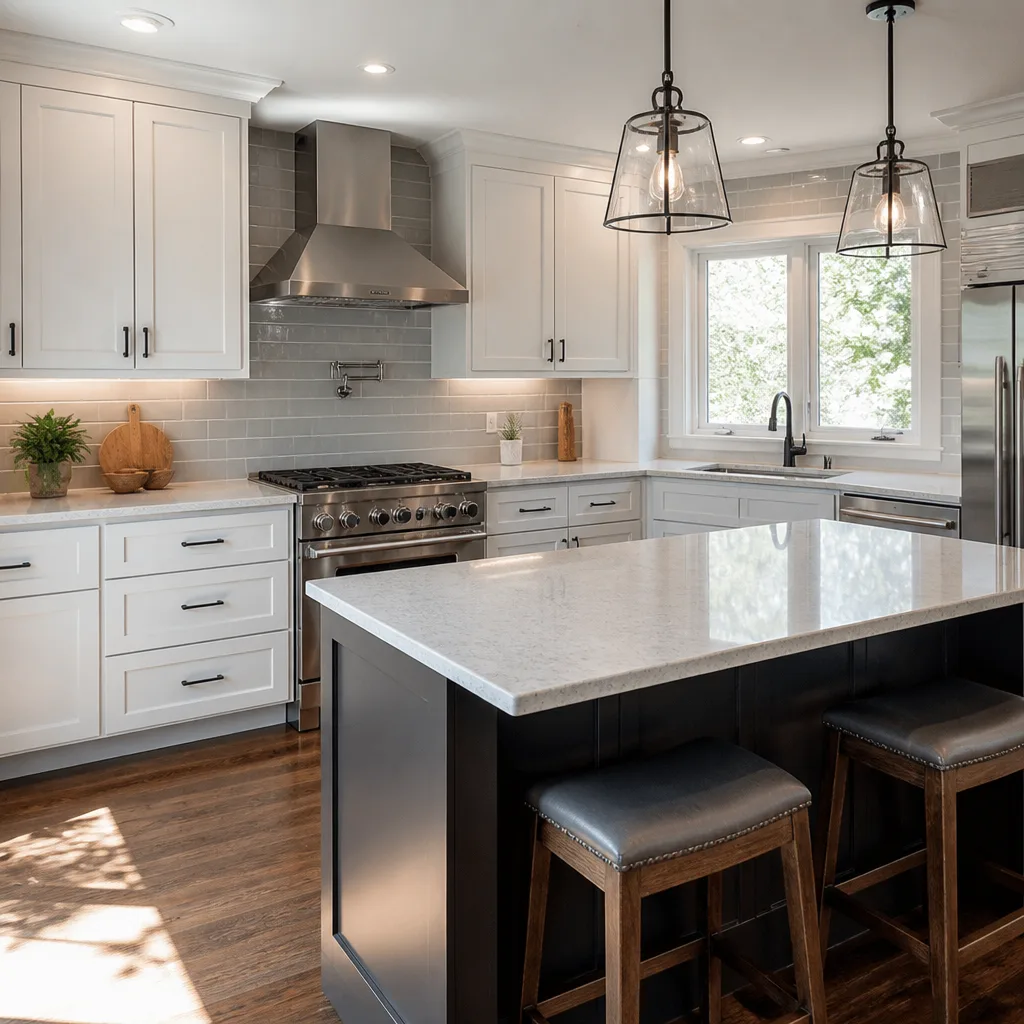
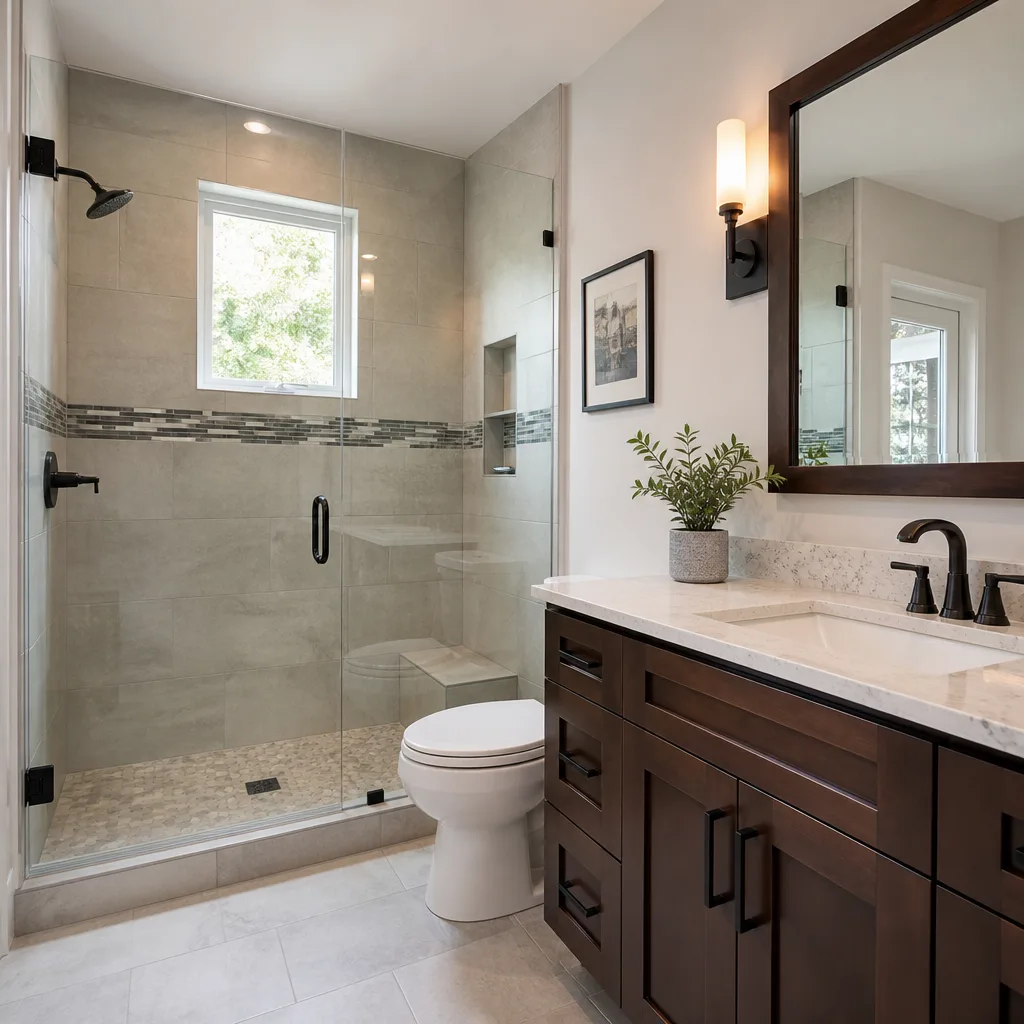
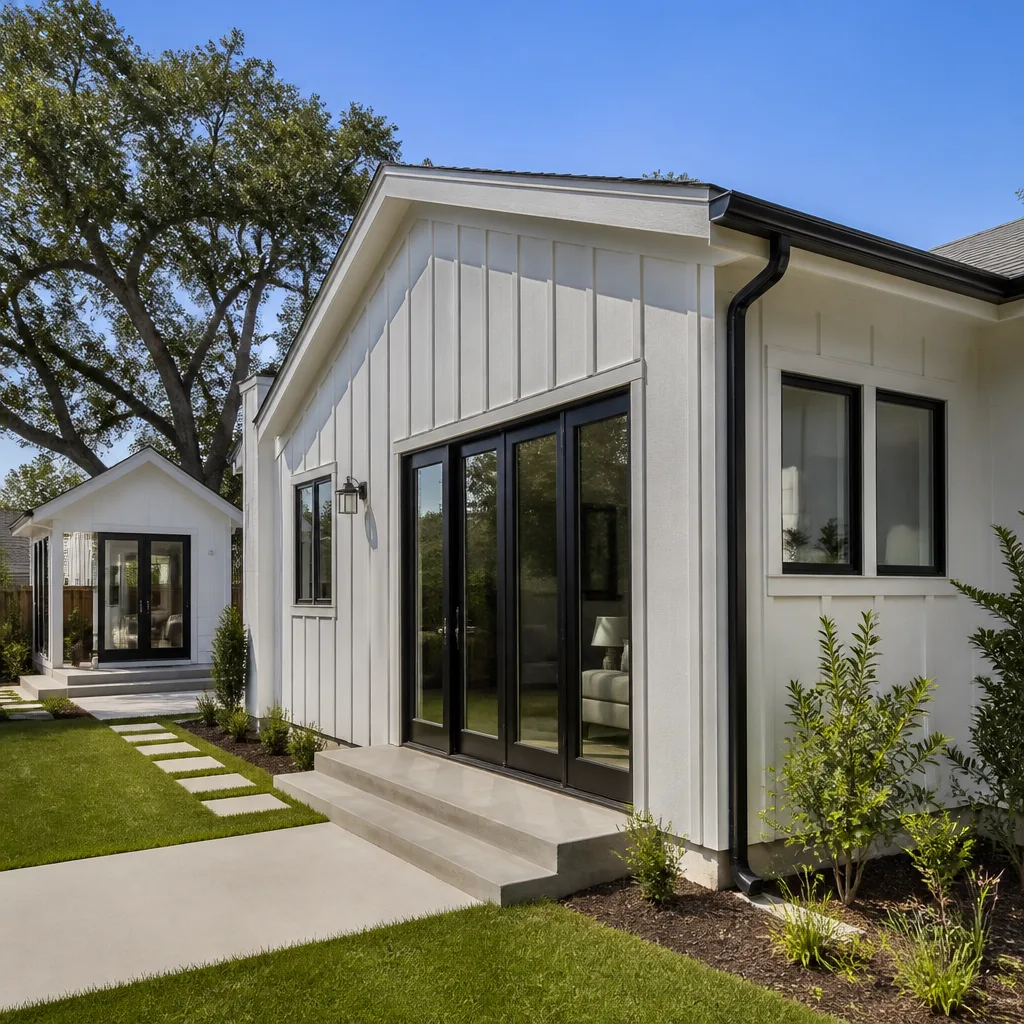
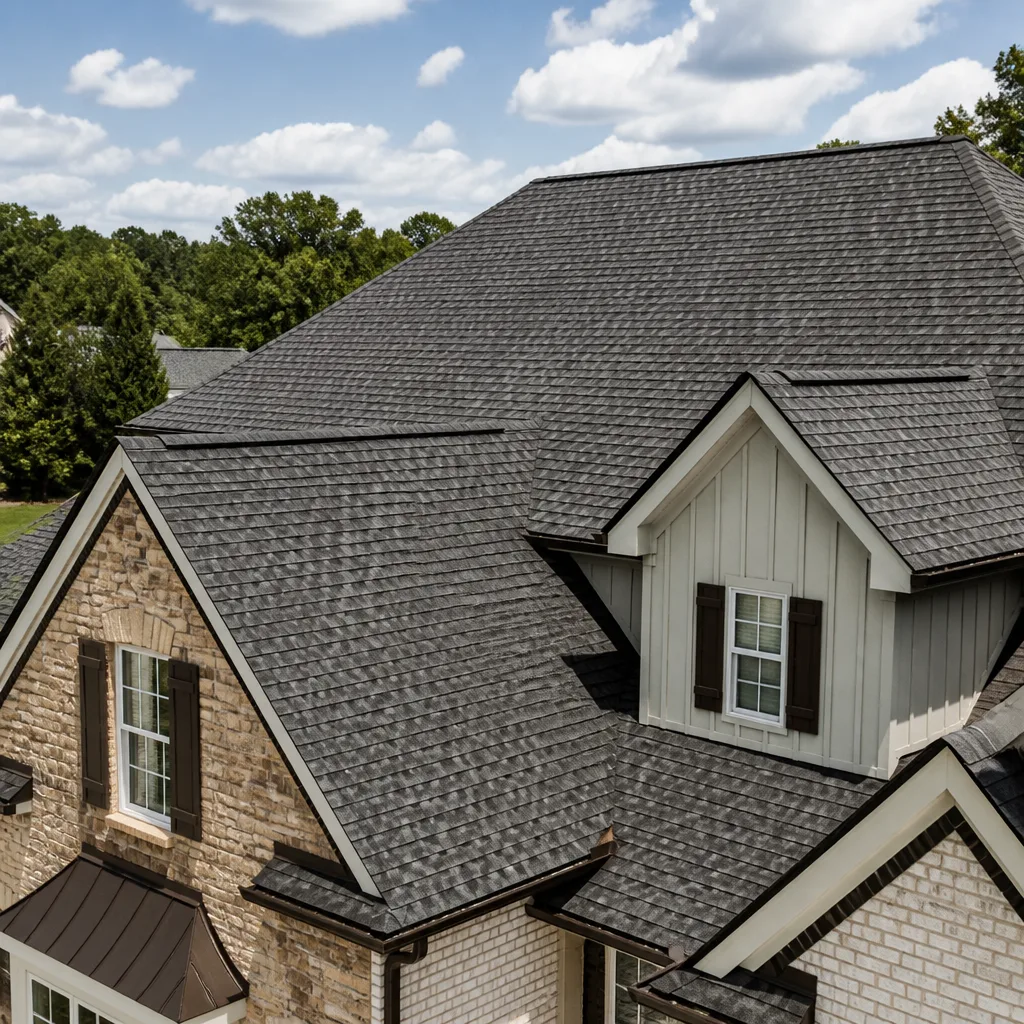
 Before
 After
After Before
 After
After Before
 After
AfterToto Driveway & Pavers: The Campbell Owner’s Guide
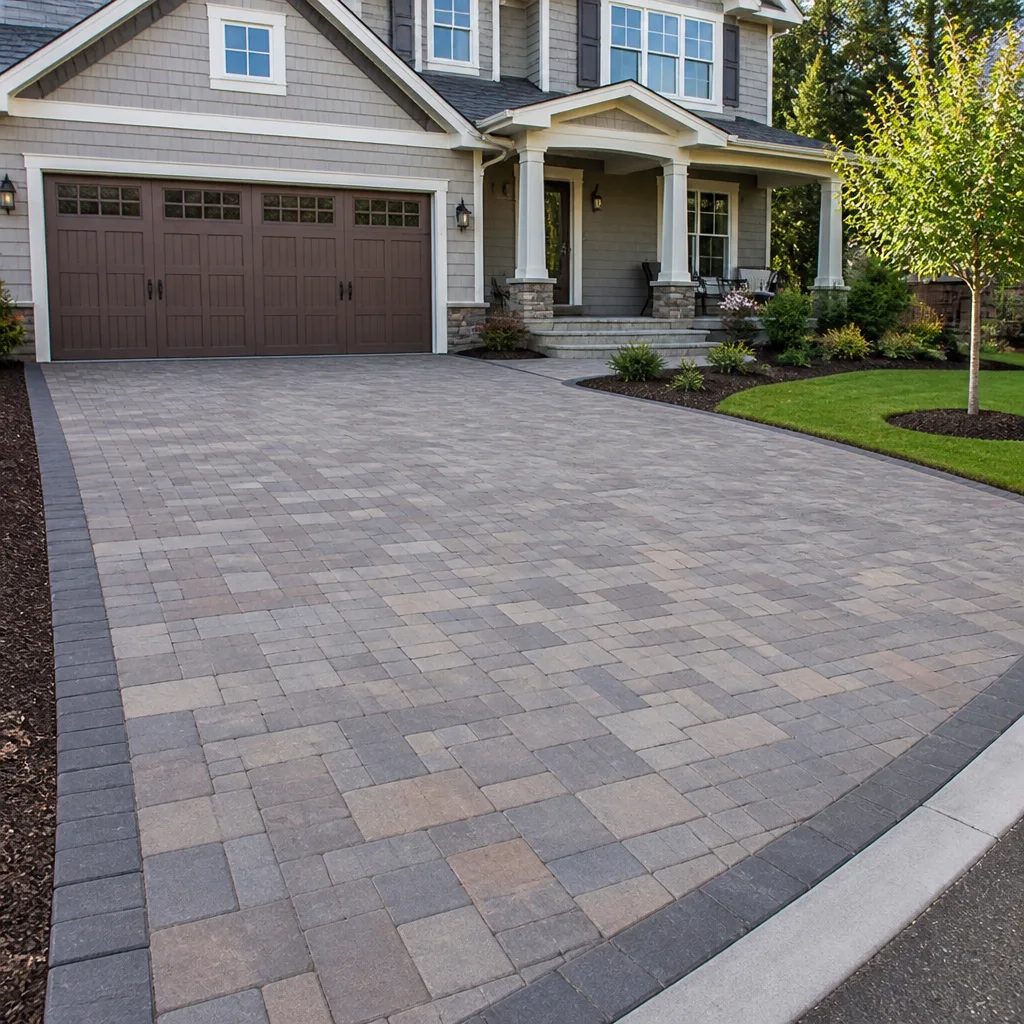
We stock and install Toto-compatible driveway and paver systems in Campbell, with most replacement projects running $7,000-$18,000 for paver driveway installation and $3,500-$11,000 for paver patio work depending on substrate condition and square footage. Toto’s paver lines, particularly the Arto and Neo series popular in Campbell’s 95008 and 95009 zip codes, use proprietary interlock dimensions that don’t interchange with Belgard or Techo-Bloc without full base rework. Most Campbell homeowners discover the failure during our wet winters when subsurface drainage issues surface as settled joints or efflorescence staining, often after the original installer has closed shop.
Which Toto Models This Applies To
Toto’s hardscape division produced three paver families relevant to Campbell installations from roughly 2008 through 2019: the Arto architectural series (60mm and 80mm thicknesses), the Neo permeable line (designed for Santa Clara County’s stormwater retention requirements), and the limited-run Kanso slab system used primarily in commercial-adjacent residential near the Pruneyard. The critical compatibility gotcha is the Arto’s 3.86-inch modular width versus the industry-standard 4-inch grid; mixing replacement sections without matching the original batch creates visible line breaks within two seasons of thermal cycling.
Identification requires the stamped code on the paver’s bedding face, not the traffic surface. Arto series carry a “TA-” prefix followed by the color batch year; Neo permeable units show “NP-” with a drainage-rate stamp in liters-per-second. We’ve found Toto’s OEM replacement stock increasingly thin since the parent company narrowed hardscape distribution in 2017, which is why our Campbell warehouse carries dimensionally matched alternatives from vetted secondary manufacturers that meet the same ASTM C936 spec. The aftermarket decision hinges on whether your installation is still under Toto’s original 25-year structural warranty, which requires OEM documentation for claims. Most Campbell homes we see are past that window.
Signs Your Toto Driveway & Pavers Is Failing
- Joint sand washout between pavers. The polymeric bedding layer has degraded, usually from improper initial water activation or, in Campbell’s case, the clay-heavy soils near Los Gatos Creek that shift during our dry-wet seasonal cycle. Left unaddressed, the bedding course migrates and creates voids beneath the wearing surface.
- Efflorescence blooming as white powder on paver faces. Calcium hydroxide from the concrete base is migrating through capillary action; in Toto’s lighter Arto colorways, this shows within 18 months if the vapor barrier was omitted or compromised during original install. It’s cosmetic at first, then indicates rising moisture that undermines the bedding sand’s stability.
- Individual pavers rocking under foot or tire load. The screeded sand base has settled unevenly, often where the original crew compacted in lifts too thick for the plate vibrator used. Toto’s 80mm Arto units require 1-inch bedding sand over 6-inch aggregate base; shortcut this and you’ll feel it within three years in Campbell’s expansive soil zones.
- Surface spalling or corner chipping on traffic edges. Toto’s manufacturing process used a denser aggregate mix than typical pavers, but freeze-thaw cycling still attacks any unit with air-entrainment below 5 percent. Campbell rarely freezes hard, yet irrigation overspray on poorly graded surfaces creates enough saturation for micro-fractures to propagate.
- Permeable pavers (Neo series) draining slowly or ponding. The 8-15 percent void ratio that defines permeable performance clogs with fine sediment from adjacent planting beds or bare soil. We’ve pulled Neo units in Campbell’s Willow Glen-adjacent properties where the voids were 70 percent packed with silt, converting a permeable system into an impermeable one with all the drainage liability and none of the code compliance.
 Before
 After
AfterReplacement Cost & What’s Included
For Campbell properties, Toto paver driveway replacement runs $7,000-$18,000 installed; paver patio work ranges $3,500-$11,000. The spread reflects three variables we document in every written quote: square footage, substrate condition requiring excavation or reinforcement, and whether the original base meets current Santa Clara County drainage standards.
Our line-item scope includes removal and haul-away of existing pavers, regrading and compaction of the aggregate base with proof-rolling verification, bedding sand screeded to 1-inch tolerance, paver lay and cut work including soldier course borders, polymeric sand activation with controlled wetting, and final plate compaction across the field. Under Clause 1 of the Haven Standard, that scope and its flat price are written and signed before our truck arrives. The 365-Day Done Right Promise covers settling, joint failure, or drainage issues; we return and make it right without renegotiation. Every visit includes a documented photo record, standard, so you have the before condition, the base prep, and the finished surface in sequence.
DIY or Call Us?
There’s no high-tension danger in paver work, but there’s a reason most DIY resets fail within two seasons. An owner can safely check: whether the rocking paver sits on intact bedding sand or a void; whether efflorescence wipes off with a dry brush (it does, temporarily); and whether ponding correlates to a visible low spot or a systemic drainage failure. What goes wrong in DIY replacement is the compaction sequence, lift thickness, and screed rail setup that determines whether the finished surface drains correctly and stays flat. We’ve rebuilt three Campbell driveways this year where the homeowner’s reset looked fine in March and had inch-high heaves by August. Measure twice, document once, build it right. If you’re pricing the fix, call (831) 704-1211; we’ll walk the site and deliver a written scope with a flat price before any work starts.
FAQs
Toto’s Arto and Neo lines are rated for 25 years structural under ASTM C936; in Campbell’s mild, wet-dry Mediterranean climate with minimal freeze-thaw, we’ve seen 18-22 years of clean performance before joint degradation or base settlement becomes consequential. Call (831) 704-1211 for an exact assessment of your installation’s remaining life - estimates are free.
Isolated joint sand refresh, spot leveling of individual units, or efflorescence cleaning can extend service life 3-5 years if the base and drainage are sound. Once rocking affects more than 15 percent of the field or the bedding course has migrated, partial replacement becomes false economy. We scope both paths in writing so you can compare the numbers.
Most Campbell residential driveways run 4-6 working days: one for removal and base evaluation, one to two for aggregate import and compaction with proof-roll verification, one for bedding and paver lay, and one for cutting, sanding, and controlled wet activation. Weather holds and substrate surprises are the typical delays; we document both with dated photos.
We maintain dimensional matches for Arto and Neo series in our Campbell warehouse, with colorway availability confirmed on site visit. Where Toto OEM is unavailable, our vetted aftermarket equivalents carry the same ASTM spec and are documented in the written quote for your approval before order. Call (831) 704-1211 to schedule your free estimate.
Ready to price your Toto driveway or paver project? Call (831) 704-1211 to schedule your free estimate. We’ll walk the site, photograph the condition, and deliver a written scope with a flat price before any work starts - that’s Clause 1 of the Haven Standard, and it’s how we’ve kept 4,000-plus projects within a few percent of the agreed number since 2007.
Written by Grant Rowan, Owner, Rowan Construction Group Campbell at Rowan Construction Group Campbell, serving Campbell and nearby areas.