
Free written scope consultation - allowances, timeline, and change-order rules on paper before a single trade is scheduled
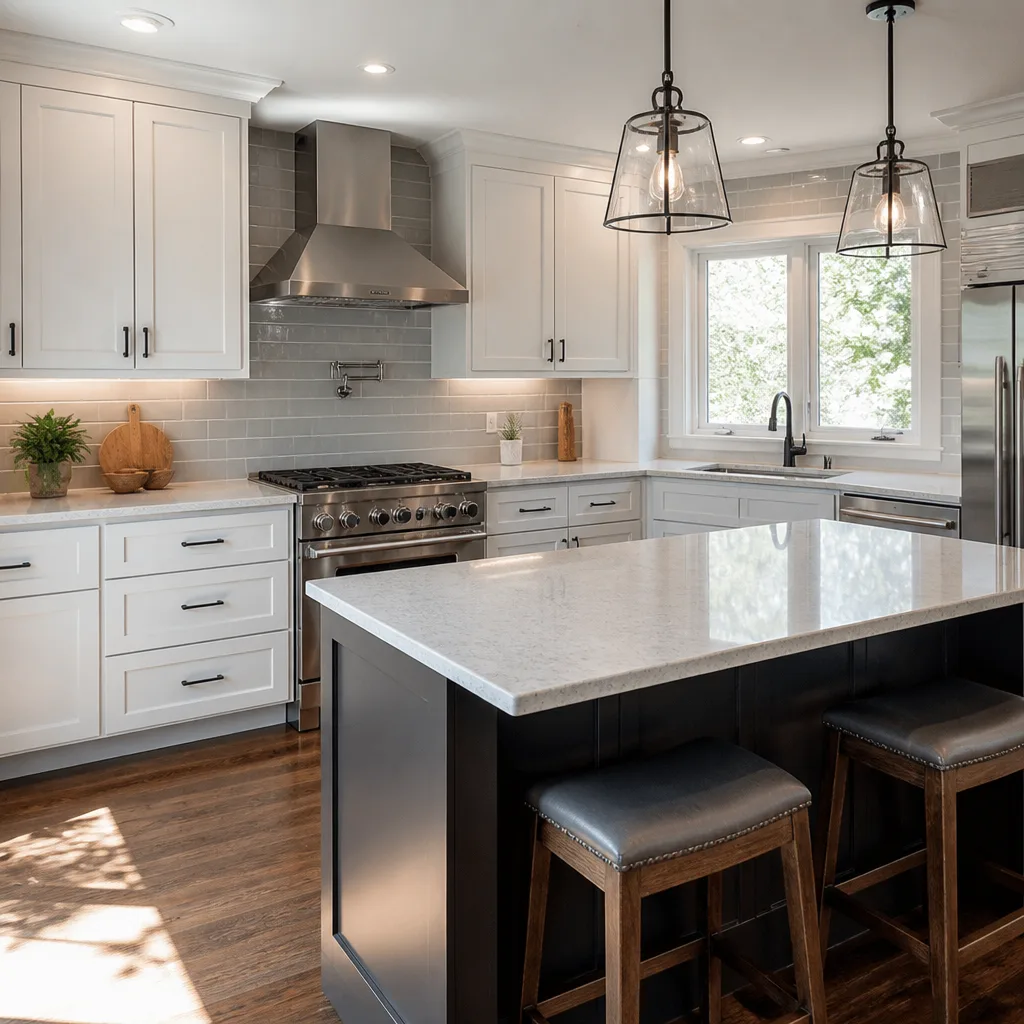
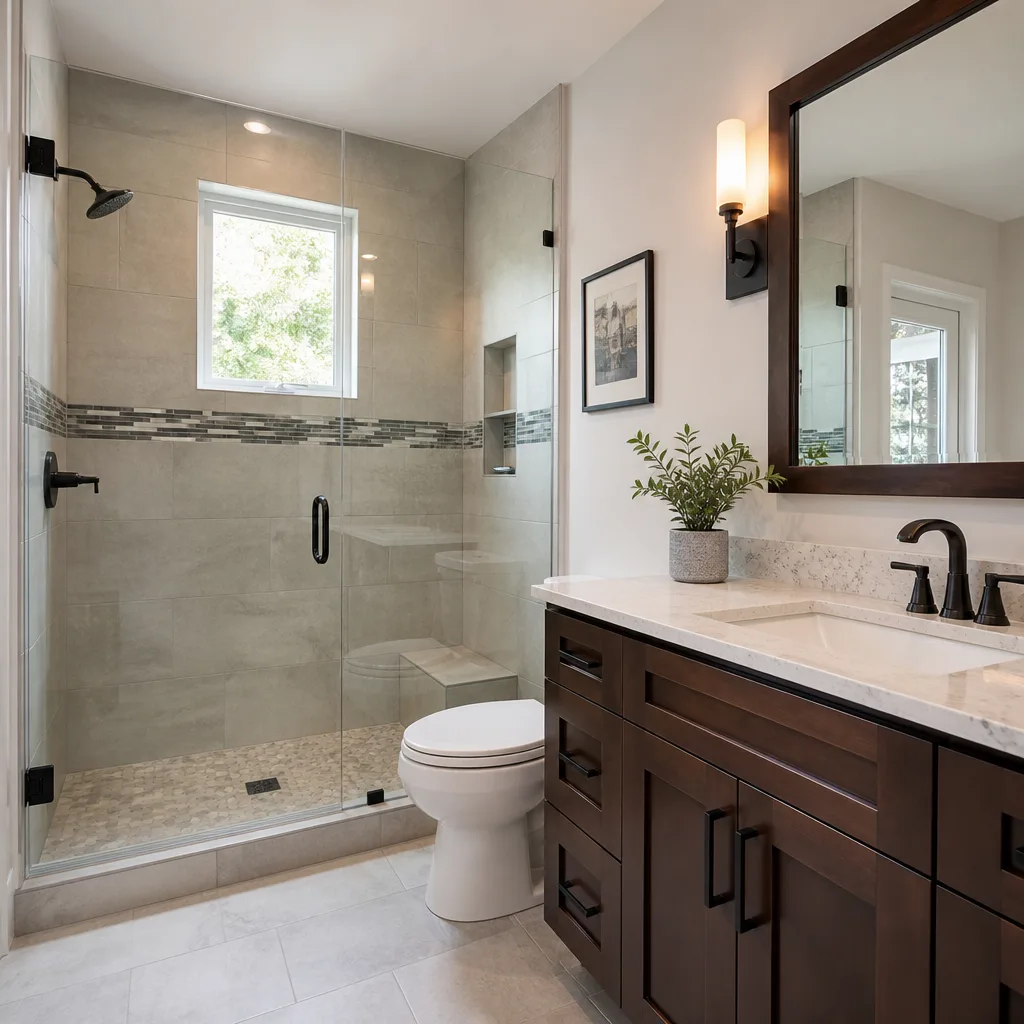
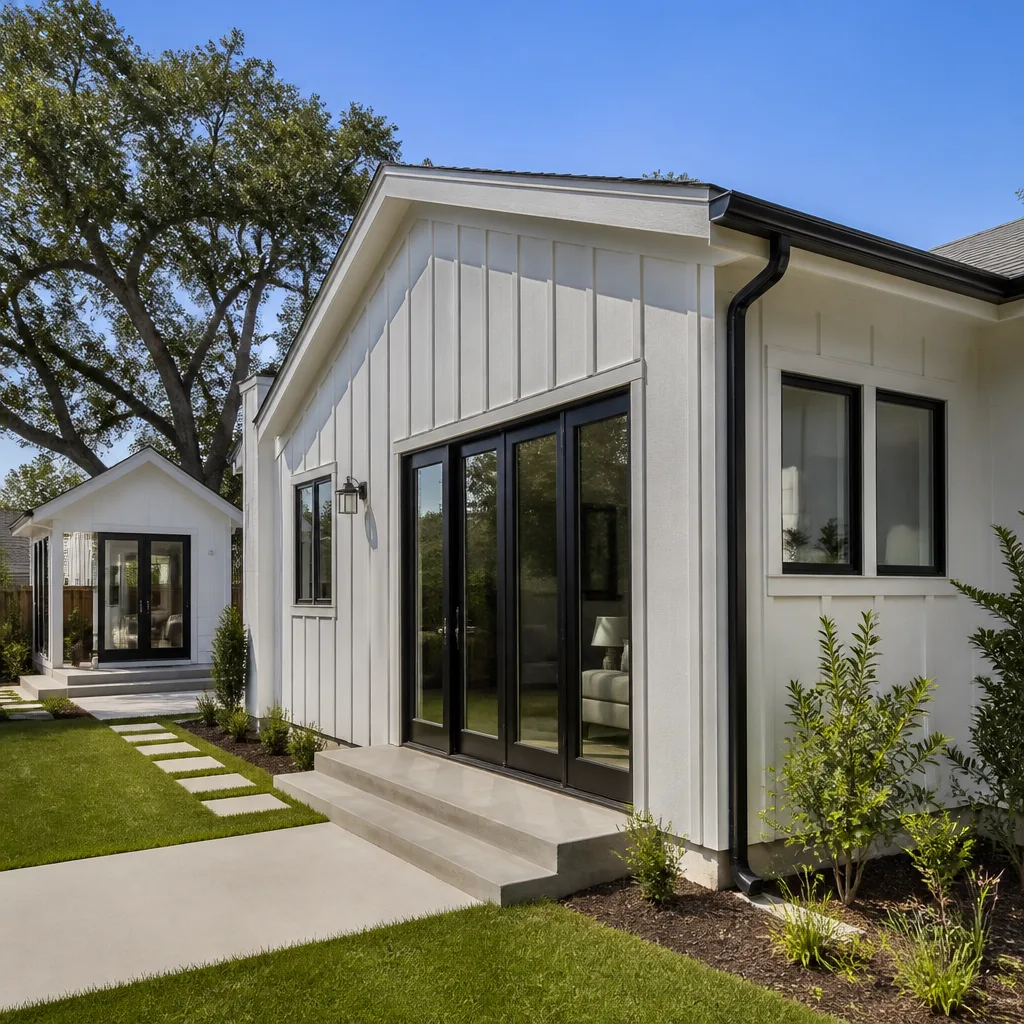
 Before
 After
After Before
 After
After Before
 After
AfterDelta Roofing: The Campbell Owner’s Guide
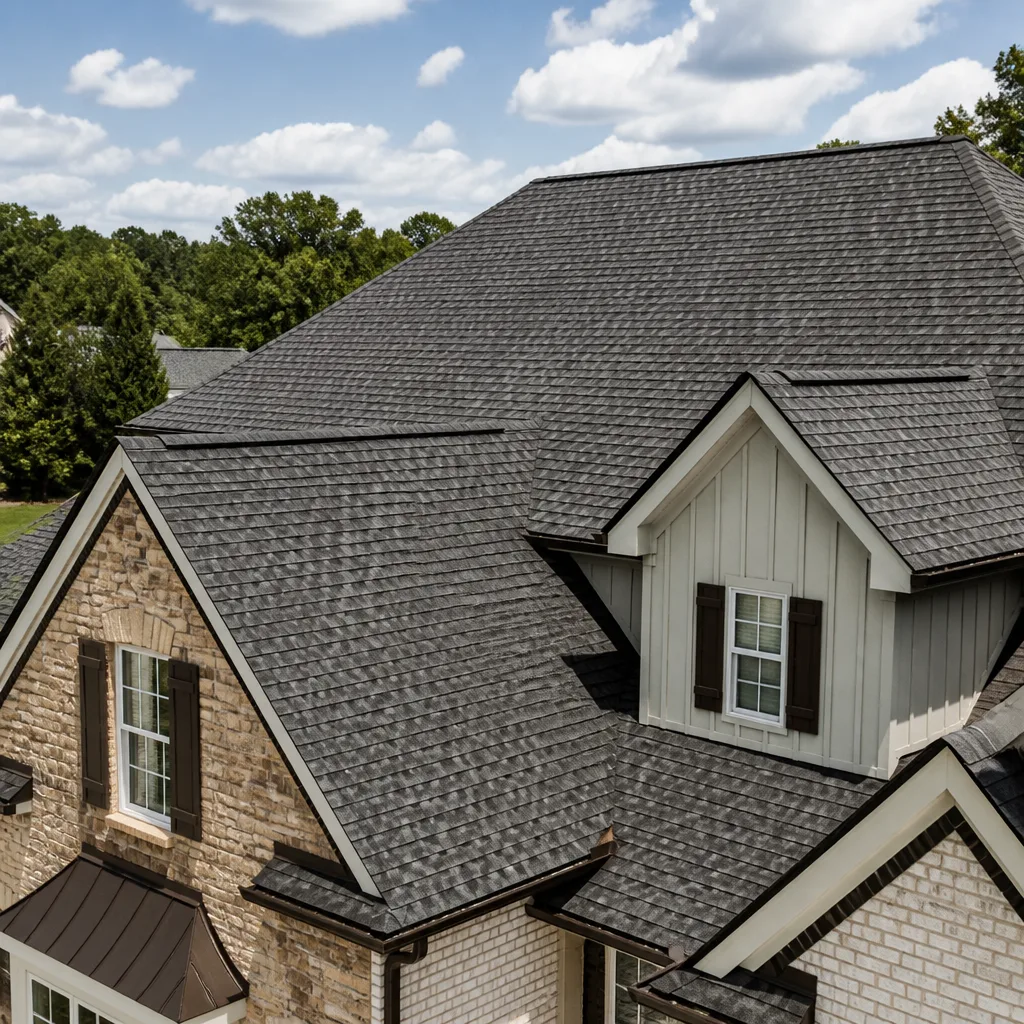
We stock and install Delta-compatible roofing components in Campbell, with most replacement parts available same-day and installed pricing typically running $400-$1,800 depending on the assembly and roof access. Delta roofing systems, common on homes built between 1985 and 2010 across Campbell’s Westmont and Pruneyard neighborhoods, use proprietary fastener spacing and membrane clips that don’t cross-match with generic brands without adaptation. Most Campbell owners discover a Delta part has failed after finding granules in the gutter, a water stain on the ceiling below a valley, or a shingle tab that’s lifted in a way that doesn’t match wind damage patterns.
Which Delta Models This Applies To
Delta manufactured three primary roofing lines in the California market: the Delta 30 architectural laminate series, the Delta 50 heavy-weight line with reinforced nail strips, and the commercial-grade Delta TPO membrane systems used on several Campbell townhome developments near Hamilton Avenue. The model number is stamped on the underside of the shingle tab or printed on a tag affixed to the membrane roll end, not on the exterior surface where sun fades it within three years.
The 30 series uses a 5-5/8 inch exposure with a proprietary double-seal adhesive strip; standard Owens Corning or GAF shingles will physically fit but won’t seal correctly along that strip geometry, which is why we specify Delta-compatible aftermarket from Atlas or CertainTeed’s cross-reference lines when OEM is back-ordered. The 50 series nail strip is 1-1/4 inches wide versus the industry-standard 1 inch, so generic shingles tear through faster under Santa Clara Valley wind loads. For TPO systems, Delta’s weld temperature spec runs 15 degrees hotter than Carlisle or Firestone, and a roofer who doesn’t calibrate the hot-air gun to that delta will get cold seams that fail at the five-year mark. We carry both OEM Delta stock and verified cross-references on our Campbell trucks, and we’ll show you the spec sheet before we open a bundle.
Signs Your Delta Roofing Is Failing
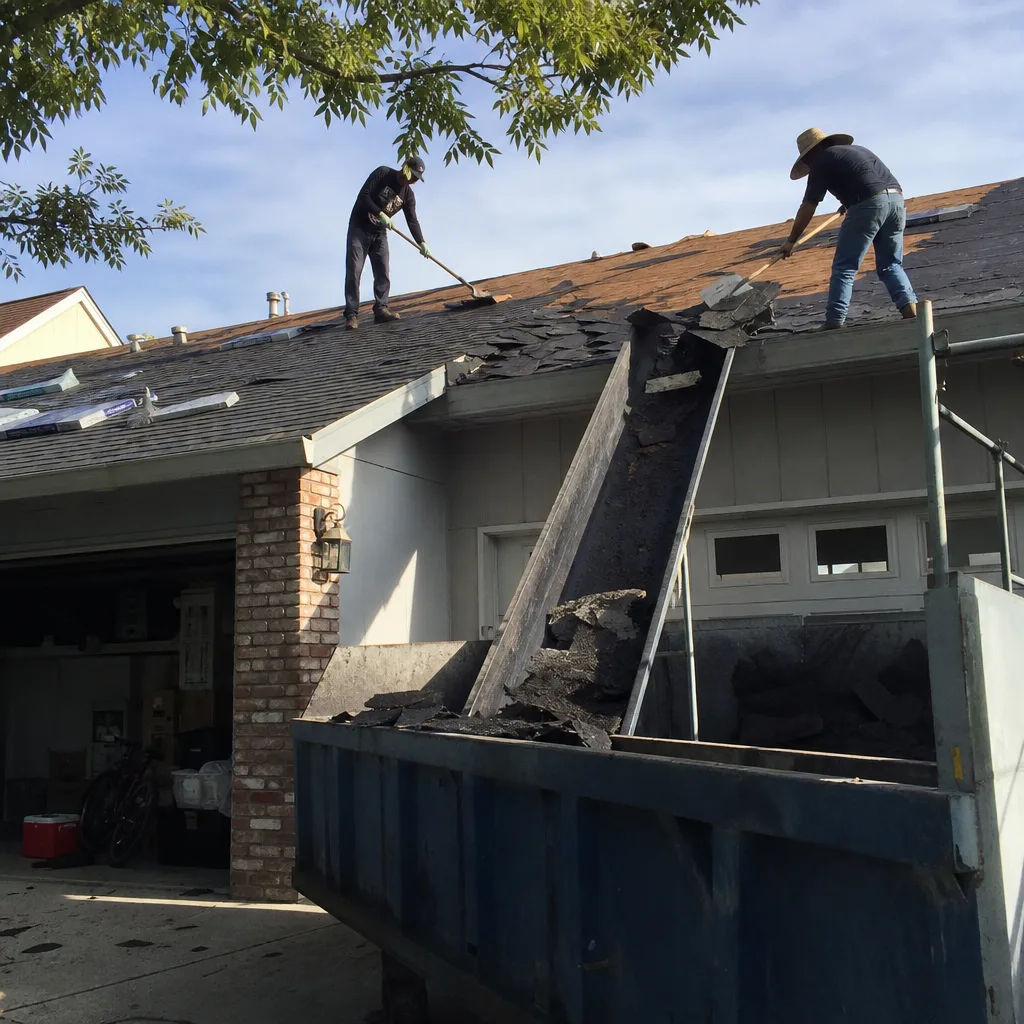
- Granule loss concentrated in gutter downspouts. Delta’s ceramic granule coating on the 30 series bonds differently than modern formulations; after 18-22 years in Campbell’s UV exposure, it releases in sheets rather than gradually. If you’re emptying cups of granules after every rain, the asphalt substrate is directly exposed and absorbing water.
- Shingle tabs curling at the corners but not the center. This pattern is specific to Delta’s adhesive strip degradation. The center stays flat because the nail strip holds it; the corners lift because the sealant has turned brittle and lost tack, common in Campbell where temperature swings between 45°F winter nights and 95°F summer days cycle the material aggressively.
- Water staining on ceiling drywall directly below a Delta TPO seam. TPO membrane seams fail from the inside out when welded at incorrect temperature. The exterior looks intact; the interior weld is a cold lap that opens under thermal expansion. We’ve traced this exact pattern in three Campbell townhome clusters this past spring.
- Nail pops visible in a straight line across the roof field. Delta’s 50 series specified ring-shank nails at 6-inch centers, closer than the 8-inch standard. When the wider nail strip shrinks with age, the excess fasteners push upward in a visible row. This isn’t installation error; it’s material fatigue at end of service life.
- Membrane pulling away from parapet walls on flat roof sections. Delta TPO used a narrower termination bar profile than current code requires in Campbell. The mechanical attachment simply doesn’t have enough bite after two decades of expansion cycles, and the wall flashing separates clean from the membrane rather than tearing it.
 Before
 After
AfterReplacement Cost & What’s Included
For Campbell homeowners, Delta roofing component replacement falls within our standard roof repair range of $400-$1,800. A single shingle bundle replacement with matching, including removal of damaged courses and integration with existing Delta fasteners, runs $400-$700. Partial valley rebuild with Delta-compatible ice-and-water shield and new shingles: $900-$1,400. TPO seam repair or termination bar replacement with proper hot-air welding: $1,200-$1,800, reflecting the specialized equipment and the two-man crew required for safe flat-roof work.
What drives the range: roof pitch (steeper than 6/12 adds labor time), layers to remove (Campbell’s 1970s-80s builds often have two shingle layers), and whether we can source matching Delta color or must blend a close cross-reference. Every quote is a flat written price with line-item scope, delivered before work starts, under Clause 1 of the Haven Standard. The 365-Day Done Right Promise covers the repair; if the match doesn’t weather identically or the seam opens, we make it right. You’ll receive a documented photo record of the damage found and the repair completed, included as standard.
DIY or Call Us?
There’s a safe middle ground for Campbell owners before deciding. You can check the model stamp on an intact shingle from the ground with binoculars, photograph the damage pattern for comparison, and clear debris from gutters to assess granule loss volume. What you shouldn’t do: walk a pitched roof to lift shingles for inspection, attempt to heat-weld TPO seams with a hardware-store heat gun, or replace shingles on a roof with more than one layer without understanding structural load. Falls from residential roofs account for a significant share of construction injuries, and TPO welding at incorrect temperature creates a repair that looks sealed but channels water underneath.
We carry Delta-compatible stock on our Campbell trucks, and we’ll match the part before we quote the work. Call (831) 704-1211 to schedule your free estimate. Bring a competitor’s written quote and we’ll review it line by line at no charge.
FAQs
Delta’s 30 series shingles typically serve 18-22 years in Campbell’s sun exposure before adhesive failure accelerates; the 50 series extends to 25-28 years with proper attic ventilation. TPO membrane systems last 15-20 years if originally welded to spec, though we’ve seen cold-welded Delta TPO fail at year five in several local townhome clusters. Call (831) 704-1211 for an exact assessment of your roof’s condition - estimates are free.
A single lifted shingle tab can sometimes be resealed with compatible asphalt cement if the substrate is sound and the surrounding shingles have life remaining. TPO seams, once opened, require full cut-and-weld replacement; patching tape is a temporary measure that fails within two Campbell rainy seasons. We won’t quote a repair we don’t expect to last through the 365-Day Done Right Promise. Call (831) 704-1211 for an honest evaluation.
Most shingle repairs on Campbell single-family homes complete in two to four hours; TPO seam or termination bar work on flat roofs runs four to six hours including proper cure time. We don’t rush welding temperature or shingle sealant set time to hit a schedule. You’ll get a written start and completion window in your quote, not a vague “same day” promise. Call (831) 704-1211 to schedule.
We carry Delta-compatible shingles, fasteners, membrane, and welding equipment on our Campbell trucks, including cross-reference lines verified to spec when Delta OEM is back-ordered. For discontinued Delta colors, we maintain a small archive of weathered samples to match aged roofs in the Westmont and Pruneyard areas. If we don’t have it, we’ll tell you before we schedule, not when the crew arrives. Call (831) 704-1211 to confirm availability for your model.
Rowan Construction Group Campbell is an independent service provider, not affiliated with Delta. We also stock parts for KraftMaid, Cambria, and Silestone across our seven trades.
Written by Grant Rowan, Owner, Rowan Construction Group Campbell at Rowan Construction Group Campbell, serving Campbell and nearby areas.