
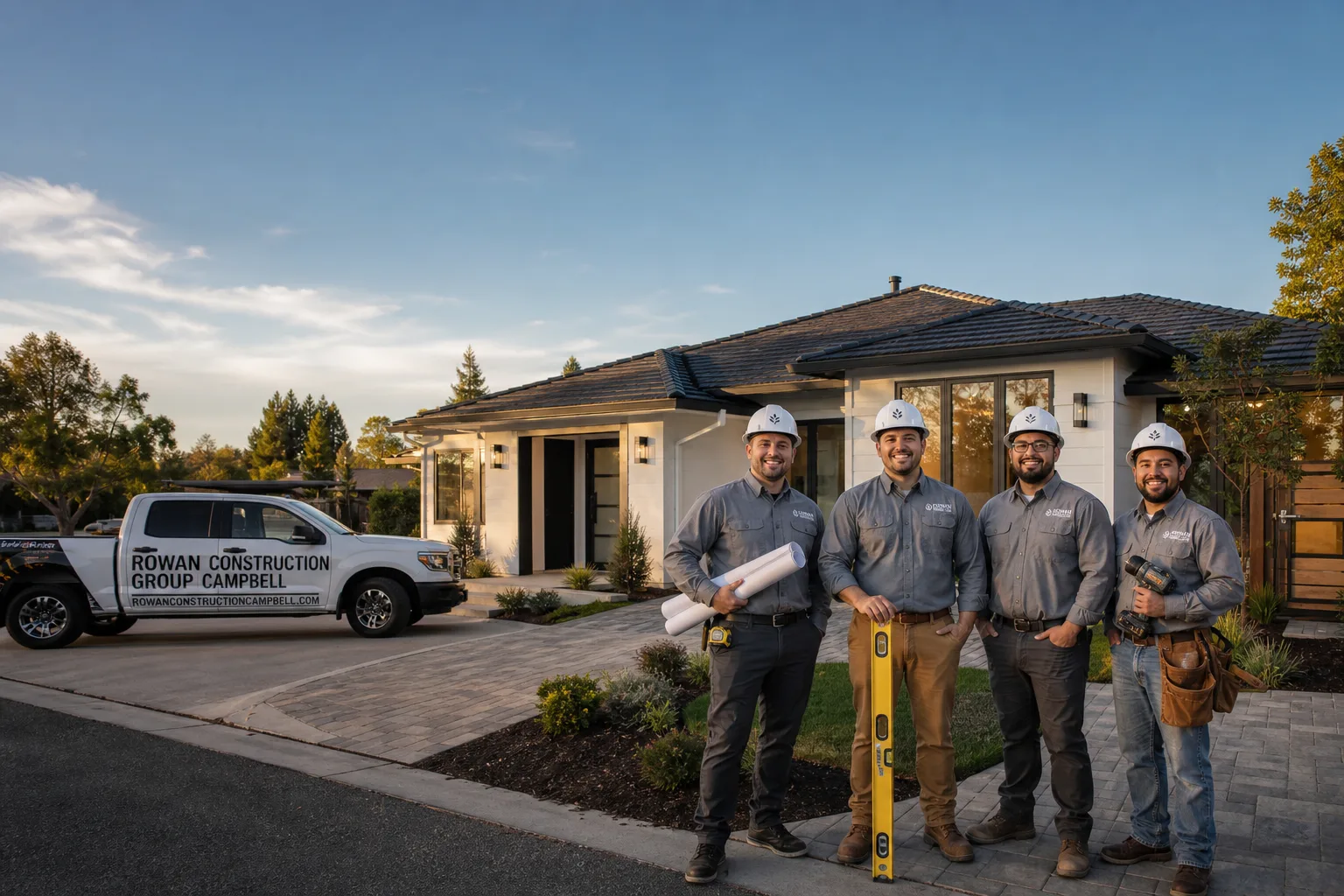
Free written scope consultation - allowances, timeline, and change-order rules on paper before a single trade is scheduled
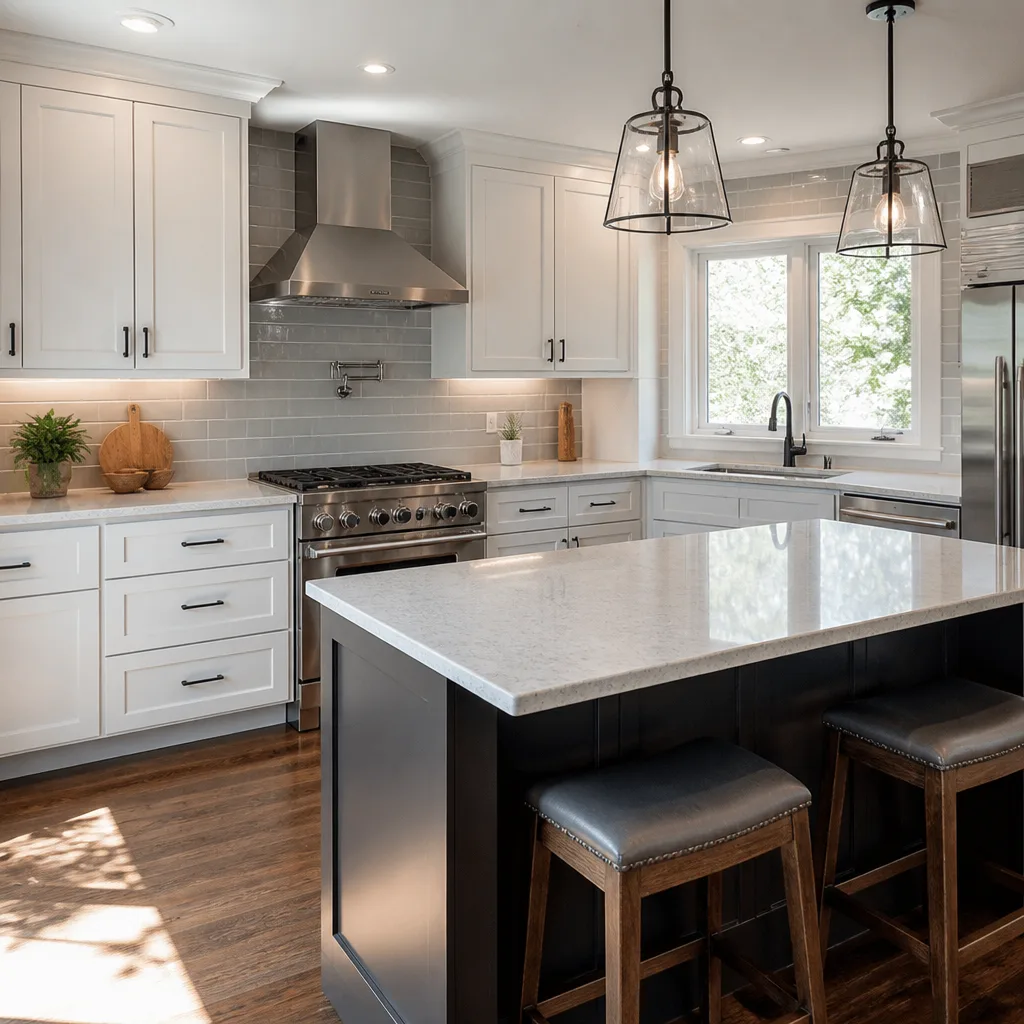
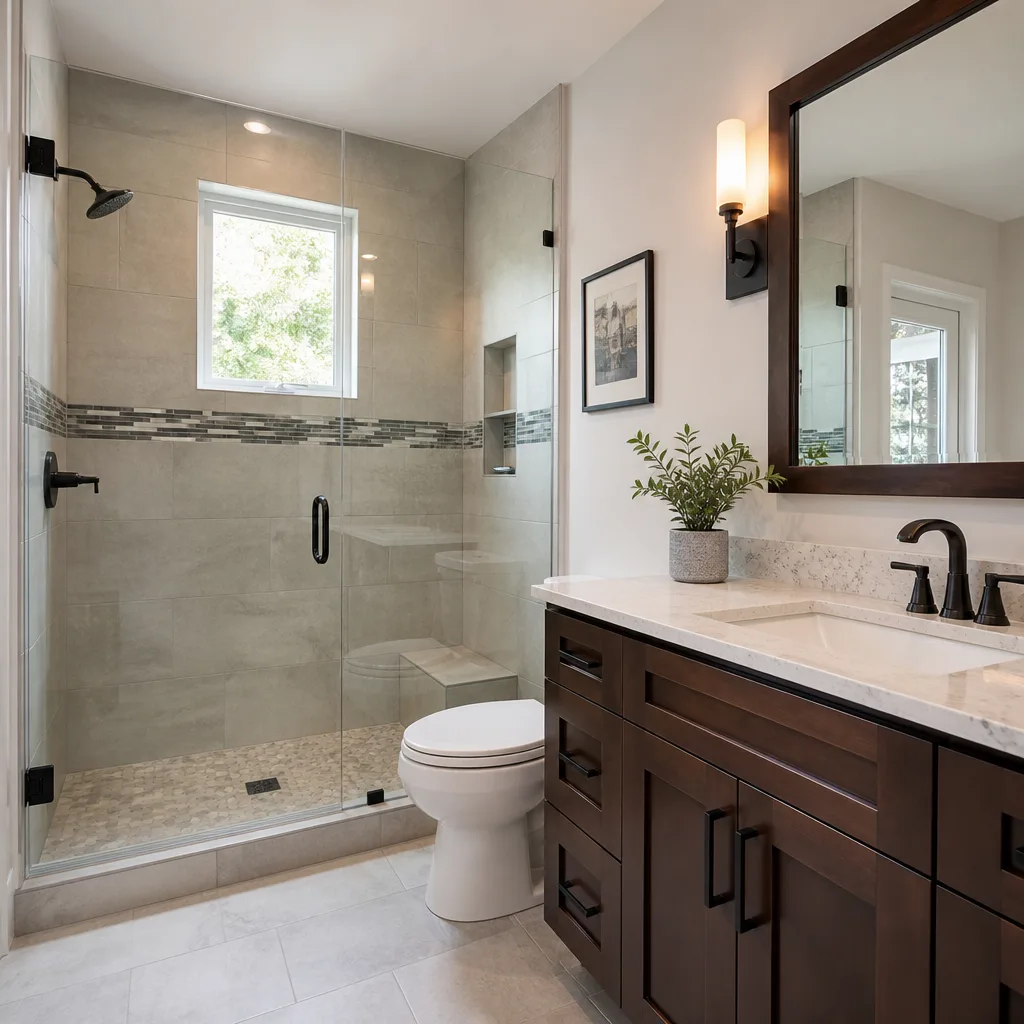
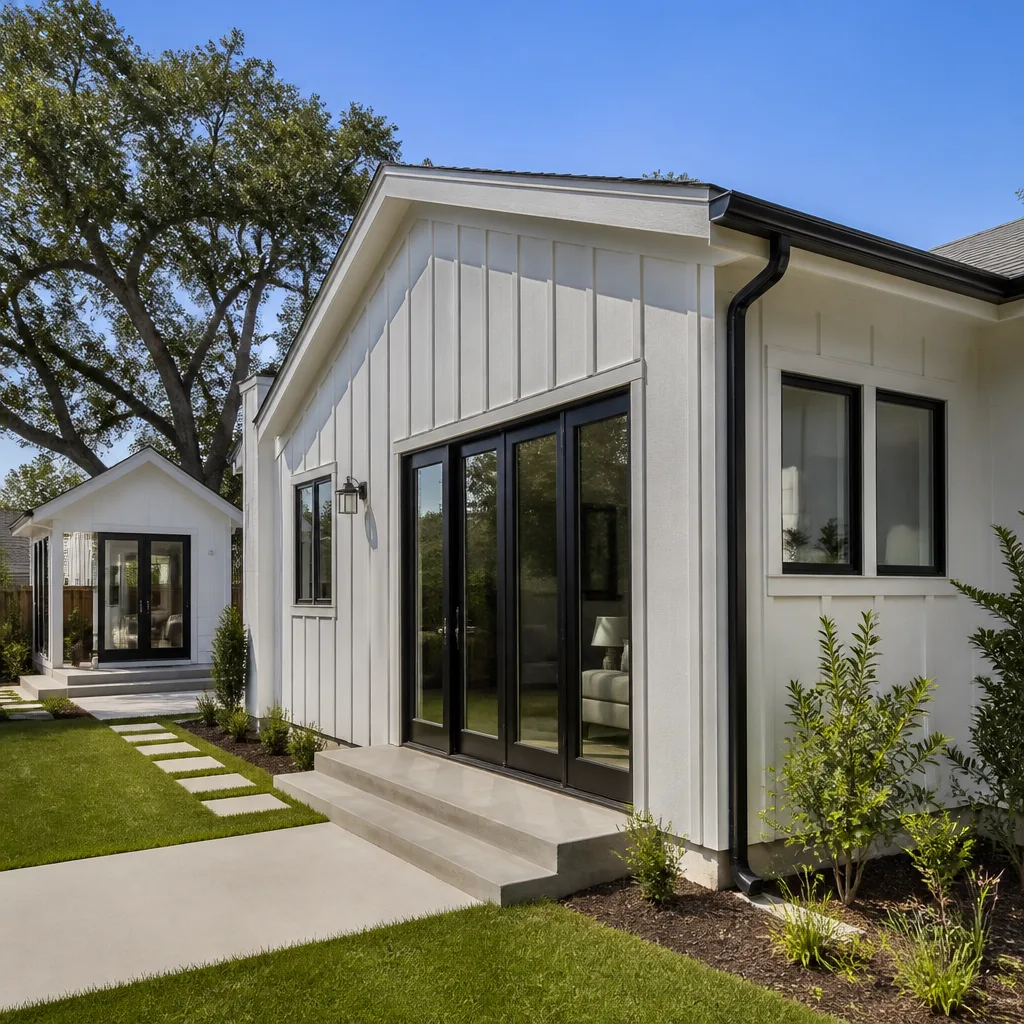
 Before
 After
After Before
 After
After Before
 After
AfterHow Much Does Glass Railing Installation Cost in Campbell?
Glass railing installation in Campbell, CA typically costs between $150 and $400 per linear foot, all-in, with most residential projects landing between $4,500 and $18,000 depending on system type, glass thickness, and site conditions. A standard 30-linear-foot deck or staircase railing in Campbell runs $6,000 to $10,500 installed, using tempered or laminated glass panels in a post-and-channel system.
If you want the short version before reading further: frameless systems cost more than semi-frameless or framed, and the hillside lots and multi-level decks common in the Cambrian Park and Dry Creek neighborhoods tend to push labor costs toward the upper end of that range. We’ll walk through why below.
Glass Railing Installation Cost Breakdown (2026)
Glass railing costs in Campbell split into three buckets: materials, hardware, and labor. The table below shows realistic ranges for each system type as of 2026, based on what we’re quoting and sourcing in the South Bay market right now.
| System Type | Material Cost (per lin. ft.) | Labor Cost (per lin. ft.) | Installed Total (per lin. ft.) | Typical 30 LF Project |
|---|---|---|---|---|
| Framed glass railing (aluminum channel frame) | $60 - $110 | $45 - $70 | $105 - $180 | $3,150 - $5,400 |
| Semi-frameless glass railing (side-mount posts) | $90 - $160 | $55 - $85 | $145 - $245 | $4,350 - $7,350 |
| Frameless glass railing (base shoe/spigot system) | $130 - $210 | $70 - $110 | $200 - $320 | $6,000 - $9,600 |
| Frameless with top cap rail (stainless) | $150 - $230 | $80 - $130 | $230 - $360 | $6,900 - $10,800 |
| Standoff/spigot system (architectural) | $170 - $260 | $90 - $140 | $260 - $400 | $7,800 - $12,000 |
| Staircase glass railing (angled cuts) | $160 - $240 | $100 - $160 | $260 - $400 | $7,800 - $12,000 |
All ranges include standard 3/8″ or 1/2″ tempered glass, standard post hardware, and installation labor. They do not include structural deck or substrate repairs, permit fees, or glass tinting upgrades.
What Those Numbers Include – and What They Don’t
At Rowan Construction Group, every written quote spells out exactly what’s in scope. Standard inclusions for a glass railing installation in Campbell:
- Tempered or laminated safety glass panels (3/8″ or 1/2″ thickness, depending on span and code)
- Post hardware, base shoe channel, or spigot fittings in your choice of brushed stainless, matte black, or powder-coated aluminum
- Core-drilling or surface-mount installation into concrete, composite decking, or wood framing
- Site cleanup and removal of old railing systems if applicable
- A documented photo record before, during, and after – standard on every Rowan project, not an add-on
What’s typically quoted separately: structural repairs to an existing deck substrate (a rotted ledger board, for instance, adds $300 to $900 before railing work begins); Santa Clara County building permits (see permit section below); and specialty glass finishes like low-iron “starphire” glass or acid-etched privacy panels.
Permit Costs in Campbell
Campbell falls under Santa Clara County building jurisdiction for most unincorporated parcels, and within City of Campbell limits for incorporated residential lots. A standalone railing replacement on an existing deck typically requires a Class I or Class II permit, which runs $200 to $550 in the current fee schedule. New construction or a railing tied to a deck addition requires a full building permit, which can add $450 to $1,200 to the project. We pull the permit on your behalf as part of the written scope – no ambiguity about who’s responsible.
What Affects Glass Railing Installation Pricing in Campbell
Six factors move the number up or down more than anything else. All of them will be visible in the written quote we give you before any work starts.
- System type (framed vs. frameless). Framed systems use a continuous aluminum channel top and bottom to hold the glass, which means less precision fitting and faster installation. Frameless systems rely on heavy-duty base shoes or individual spigot fittings drilled into the substrate – each panel must be plumb and level independently, which takes more time and more experienced hands. The price gap between a framed and a frameless system on the same 30-foot run can be $2,500 to $4,000.
- Glass thickness and type. Standard residential guard rails in California require tempered safety glass at a minimum. Most Campbell projects spec 3/8″ tempered for spans under 36 inches and 1/2″ laminated for larger panels or locations within 18 inches of a door swing. Laminated glass (two tempered layers bonded with an interlayer) costs roughly 20 to 30 percent more than single-pane tempered, but it holds together if it breaks – relevant on homes with young children or in high-wind corridors near the Los Gatos foothills.
- Substrate and attachment method. Attaching to a wood-framed deck is straightforward. Attaching to an existing concrete patio, a cantilevered slab, or a tile deck adds core-drilling time and the cost of epoxy anchors or wet-set post bases. In Campbell’s Pruneyard-adjacent neighborhoods, we see a lot of 1970s concrete slabs that require hammer drilling and chemical anchoring – add $15 to $30 per post location over a standard wood attachment.
- Linear footage and panel count. Glass railings don’t scale linearly. A 15-foot run costs more per foot than a 60-foot run because setup, mobilization, and custom panel cutting are fixed costs spread over fewer feet. If you’re comparing quotes, normalize them to cost-per-linear-foot so the comparison is honest.
- Staircase vs. flat runs. Stair sections require angled glass cuts (called a “rake cut”) to follow the pitch of the stair. That cutting adds roughly $25 to $60 per panel in fabrication and more fitting time on-site. A staircase section typically runs 20 to 40 percent more per linear foot than a flat deck section of the same system.
- Hardware finish and top rail selection. Brushed stainless is the standard spec and is priced into the base ranges above. Matte black powder coat and oil-rubbed bronze add roughly $8 to $18 per linear foot to the hardware line. A continuous stainless top cap rail (required on some commercial and preferred on many residential applications for code grip height) adds $20 to $45 per linear foot on top of the base system cost.
A Note on Campbell’s Climate and Glass Railing Longevity
Campbell sits in a mild inland valley climate, but it’s close enough to the Santa Cruz Mountains to see occasional high-wind events in winter, and the wet-dry seasonal cycle is hard on hardware finishes. Marine-grade 316 stainless steel for posts and fittings costs more than standard 304 stainless – roughly $12 to $20 per linear foot more – but it holds up significantly better against the chloride in the air that drifts up from the Bay on west-facing lots. If your property is in the Rincon area or backs up to the Los Gatos Creek trail corridor, we’ll note that in the written quote and give you the choice. The difference in 15-year appearance between 304 and 316 hardware in that micro-environment is real.
 Before
 After
AfterHow to Save on Glass Railing Installation
There’s a right way to reduce cost on a glass railing project and a wrong way. The wrong way is to cut corners on glass thickness or skip the permit – both will come up at resale or in an insurance claim, and neither is a savings that holds. Here’s what actually works.
Choose Semi-Frameless Over Frameless Where Aesthetics Allow
The visual difference between a semi-frameless system and a true frameless system is subtle from the yard but meaningful on the invoice. Semi-frameless side-mount posts still give you unobstructed glass panels – the view is nearly identical – but the installation is faster and the hardware is simpler. On a 40-linear-foot project, that choice can save $1,500 to $2,800 without any meaningful sacrifice in appearance or performance.
Batch It With Related Work
If you’re already replacing a deck, adding a patio, or converting a garage, scheduling glass railing installation at the same time reduces mobilization cost and can consolidate permits. Rowan’s home project portfolio includes decks, pavers, and additions – and when trades overlap, the written quote reflects the combined mobilization, not two separate setup charges.
Use Standard Panel Widths
Glass fabricators cut panels to order. If your run length divides evenly into standard panel widths (typically 18″, 24″, or 36″ finished widths), you avoid custom-cut waste and the extra fabrication charge that comes with odd-dimension panels. A designer or contractor who measures before spec’ing can sometimes adjust post spacing by 2 to 3 inches to land on a standard cut – a small adjustment that saves $200 to $600 on a mid-size project.
Get the Permit Pulled Correctly the First Time
A failed inspection because the glass doesn’t meet California Building Code Section 2407 (guard rail requirements) means re-glazing or re-drilling, which costs more than the permit itself. We pull permits as part of the written scope and spec glass to code from the start. It’s not a separate line item – it’s part of what “done right” means under the 365-Day Done Right Promise.
Request a Second Opinion on Any Existing Quote
If you’ve already received a written estimate from another contractor, bring it in. Rowan offers a free second opinion on any written estimate – we’ll review it line by line and tell you whether the spec is accurate, the price is reasonable for the Campbell market, and whether anything is missing from the scope. Call (831) 704-1211 to set that up; it costs nothing and takes about 20 minutes.
Plan Around Material Lead Times
Custom glass panels in the Bay Area currently run 2 to 4 weeks from fabrication order to delivery. Scheduling your project to start after panels are confirmed – rather than ordering on the fly – avoids the premium that comes with rush fabrication, which runs 15 to 25 percent above standard pricing. The written quote from Rowan includes the expected lead time so there are no surprises.
Glass Railing Installation in Campbell vs. Nearby Cities
Labor rates in the South Bay are relatively consistent across adjacent cities, but permitting costs and site-specific conditions create real differences. Here’s how Campbell compares to surrounding markets our crews regularly work in:
- Campbell vs. Los Gatos: Los Gatos has a higher proportion of hillside lots, which means more complex substrate work and longer permit timelines through the Town of Los Gatos review process. Budget 10 to 15 percent more for equivalent projects there.
- Campbell vs. San Jose (Willow Glen / Rose Garden): City of San Jose permit fees run slightly higher, but labor costs are comparable. The bigger variable in San Jose is driveway and access logistics for panel delivery on narrow residential streets.
- Campbell vs. Saratoga: Saratoga projects often involve larger homes and longer linear footage, which improves cost-per-foot but pushes total project costs into the $12,000 to $22,000 range for full perimeter or pool railing systems.
- Campbell vs. Santa Clara: Permit timelines through City of Santa Clara planning are typically faster than Santa Clara County unincorporated parcels, which benefits Campbell homeowners on incorporated lots.
For a current installed price specific to your address in Campbell, the fastest path is the free estimate – call (831) 704-1211 and Grant Rowan’s team will schedule a site visit, measure the run, assess the substrate condition, and deliver a flat written price before anyone picks up a tool.
California Building Code Requirements for Glass Railings
California Building Code Section 2407 governs glass used in guard and handrail systems. The key requirements that affect your cost and spec selection in Campbell:
- Minimum glass thickness: 3/8″ tempered for panels under 36″ in height; 1/2″ laminated tempered for panels over 36″ or within 18″ of an operable door.
- Guard height: 36 inches minimum for decks less than 30 inches above grade; 42 inches minimum for anything higher. This affects panel height and therefore glass square footage per linear foot.
- Top rail grip requirement: Guards must provide a graspable top surface. A bare glass top edge does not meet code without a continuous cap rail. Frameless systems without a top rail need a specific code-compliant edge treatment or a separate handrail.
- Lateral load resistance: Guard systems must resist a 200-pound concentrated load. Post spacing, base shoe depth, and anchor type are all engineered to meet this – which is why the base shoe or spigot specification matters and why it appears in the written quote with a specific spec, not a generic description.
- Tempered glass identification: Each panel must carry a permanent acid-etched or ceramic-fused label identifying it as safety glazing. Panels without this marking will fail inspection.
We cite these requirements not to overwhelm you but because a railing that doesn’t meet code creates liability at resale and won’t pass the inspector’s visit – which adds cost and delay. The written scope from Rowan names the glass spec, the post spacing, and the anchor method so you know exactly what’s being installed before the crew arrives.
Comparing Glass Railing Systems: What to Look For in a Quote
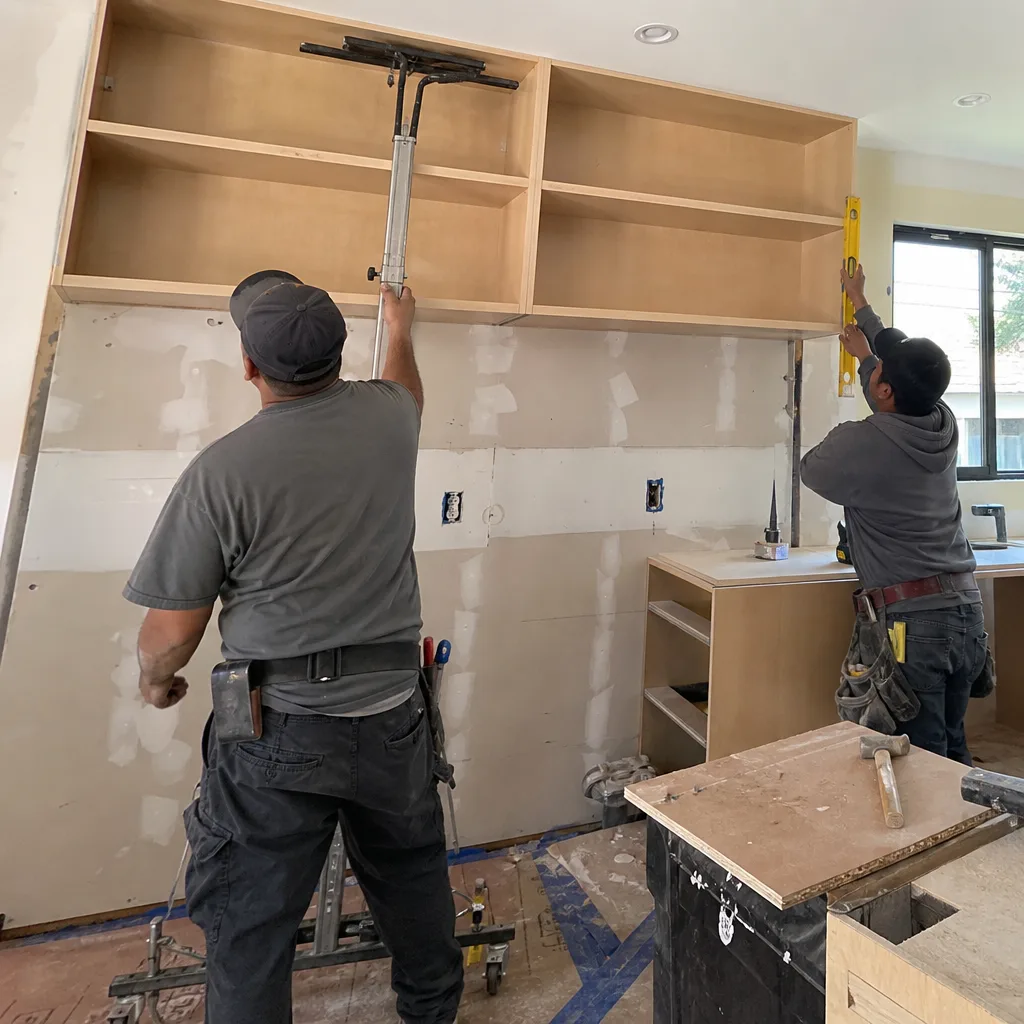
When you’re reviewing a glass railing quote – whether from Rowan or anyone else – these are the line items that separate a real written price from a number that will change at invoice:
- Glass spec named explicitly: “3/8″ tempered” or “1/2″ laminated tempered,” not just “glass panels.” The material cost difference is $20 to $40 per square foot.
- Hardware grade specified: 304 vs. 316 stainless matters in Campbell’s climate, particularly on west-facing lots. The grade should be named.
- Post spacing stated: Standard is 36 to 48 inches on center. Wider spacing requires thicker glass or intermediate fittings – a scope change that should be in writing before work starts, not after.
- Permit responsibility stated: Who pulls the permit and who pays for it. If the quote is silent on permits, ask in writing before signing.
- Substrate assessment included: A quote written without a site visit is a guess. Any quote that includes a substrate assessment – what condition the deck framing or concrete slab is in, and whether repairs are needed – is more reliable than one that assumes a clean slate.
Under the Haven Standard, no work proceeds on a change until the change order is signed. That administrative discipline is why Rowan’s projects finish within a few percent of the agreed price across more than 4,000 completed jobs since 2007. It’s not a policy we invented recently – it’s been Clause 1 since Grant Rowan founded the company.
FAQs – Glass Railing Installation Cost in Campbell
How much does glass railing installation cost in Campbell, CA?
Glass railing installation in Campbell costs between $150 and $400 per linear foot installed, depending on system type. A typical 30-linear-foot residential project runs $6,000 to $10,500 for a semi-frameless or frameless system with standard tempered glass. Framed systems start lower, around $3,500 for a 30-foot run. Call (831) 704-1211 for a free written estimate specific to your site.
Is frameless glass railing worth the extra cost?
Frameless glass railing costs $50 to $120 more per linear foot than a framed system, but it delivers an unobstructed sightline that framed systems can’t match. On a Campbell property with a view of the hills or a well-landscaped yard, the visual return is real. On a side yard or utility fence run with no view to preserve, the extra cost doesn’t add equivalent value. We’ll tell you honestly which system fits your site.
Do I need a permit for glass railing installation in Campbell?
Yes, in almost all cases. Replacing an existing railing on a permitted deck requires at least a Class I or Class II permit from the City of Campbell or Santa Clara County, costing $200 to $550. New construction or a railing tied to a new deck addition requires a full building permit, typically $450 to $1,200. We pull the permit as part of the written scope – it’s not a task left to you.
How long does glass railing installation take?
A standard 30 to 40 linear foot residential project in Campbell takes 1 to 2 days for installation once glass panels are fabricated and on-site. Custom glass fabrication typically runs 2 to 4 weeks from order, so total project time from signed quote to finished railing is usually 3 to 5 weeks. We include the expected lead time in the written quote so you can plan around it.
What’s the difference between tempered and laminated glass for railings?
Tempered glass is a single pane that’s heat-treated to break into small, relatively safe fragments. Laminated glass bonds two tempered panes with an interlayer – if it breaks, the interlayer holds the fragments in place. California code requires laminated glass in specific locations (within 18 inches of a door swing, or panels over 36 inches in height). Laminated panels cost 20 to 30 percent more than tempered. For households with young children or high-traffic areas, laminated is worth specifying even where code doesn’t require it – and we’ll say so in the written scope rather than default to the cheaper option.
Can glass railing be installed on an existing concrete patio or slab?
Yes. Core-drilling into an existing concrete slab and setting epoxy anchors for post bases is a standard installation method in Campbell, where many homes have original concrete patios from the 1960s and 70s. It adds $15 to $30 per post location over a wood-frame attachment. The condition of the slab matters – a site visit will confirm whether the concrete is sound enough to anchor into, or whether a surface-mount base plate is a better approach. We document what we find with photos before any drilling starts.
Key Takeaways
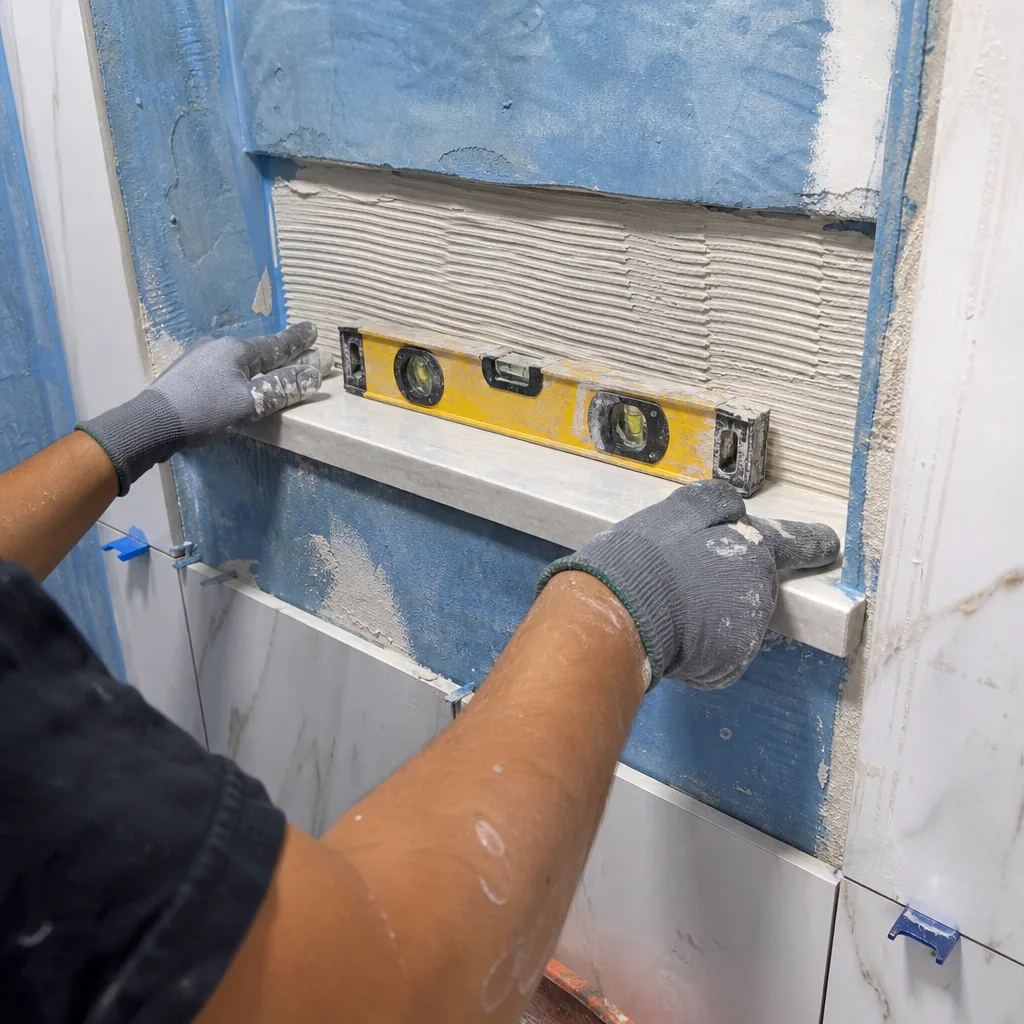
- Glass railing installation in Campbell runs $150 to $400 per linear foot installed; most 30-foot projects land between $6,000 and $10,500.
- Frameless systems cost more than semi-frameless or framed but deliver a cleaner sightline – the right choice depends on the view and the budget.
- Santa Clara County/City of Campbell permits are required in almost all cases and cost $200 to $1,200 depending on project scope.
- Staircase sections cost 20 to 40 percent more per linear foot than flat runs due to angled cuts and fitting complexity.
- 316 stainless hardware is worth specifying on west-facing or hillside lots in Campbell where chloride exposure is higher.
- A written price before any work starts is non-negotiable at Rowan – every quote is a flat price with a written scope, and no change proceeds without a signed change order.
- The 365-Day Done Right Promise backs every project: if it’s not done right, we make it right.
Ready for a Written Price?
If you’re planning a glass railing project in Campbell, the fastest way to get a real number is a site visit. Grant Rowan’s crew will assess the substrate, measure the run, confirm the code requirements for your specific location, and deliver a flat written price with a written scope – before anyone picks up a tool. That’s not a process step; it’s how every project at Rowan Construction Group has started since 2007, across more than 4,000 jobs.
For a free estimate on Glass Railing Installation in Campbell, call (831) 704-1211. A live person answers. If you have a written quote from another contractor, bring it – Rowan’s free second opinion is available at no charge, and we’ll review it line by line.
Pricing reflects the Campbell market as of 2026. Rowan Construction Group Campbell offers free estimates – call (831) 704-1211.
Written by Grant Rowan, Owner at Rowan Construction Group, serving Campbell since 2007.
What Our Customers Say
"Final invoice was within two percent of the contract. Every change was priced and signed before anyone picked up a tool."
- Malcolm T."They found an old septic line under the driveway run and stopped, documented it, and re-quoted before continuing."
- Xavier L."Talked us out of the larger scope we came in asking for, because it would not have added the value we thought."
- Emil R.