
Last updated September 25, 2026
Free written scope consultation - allowances, timeline, and change-order rules on paper before a single trade is scheduled
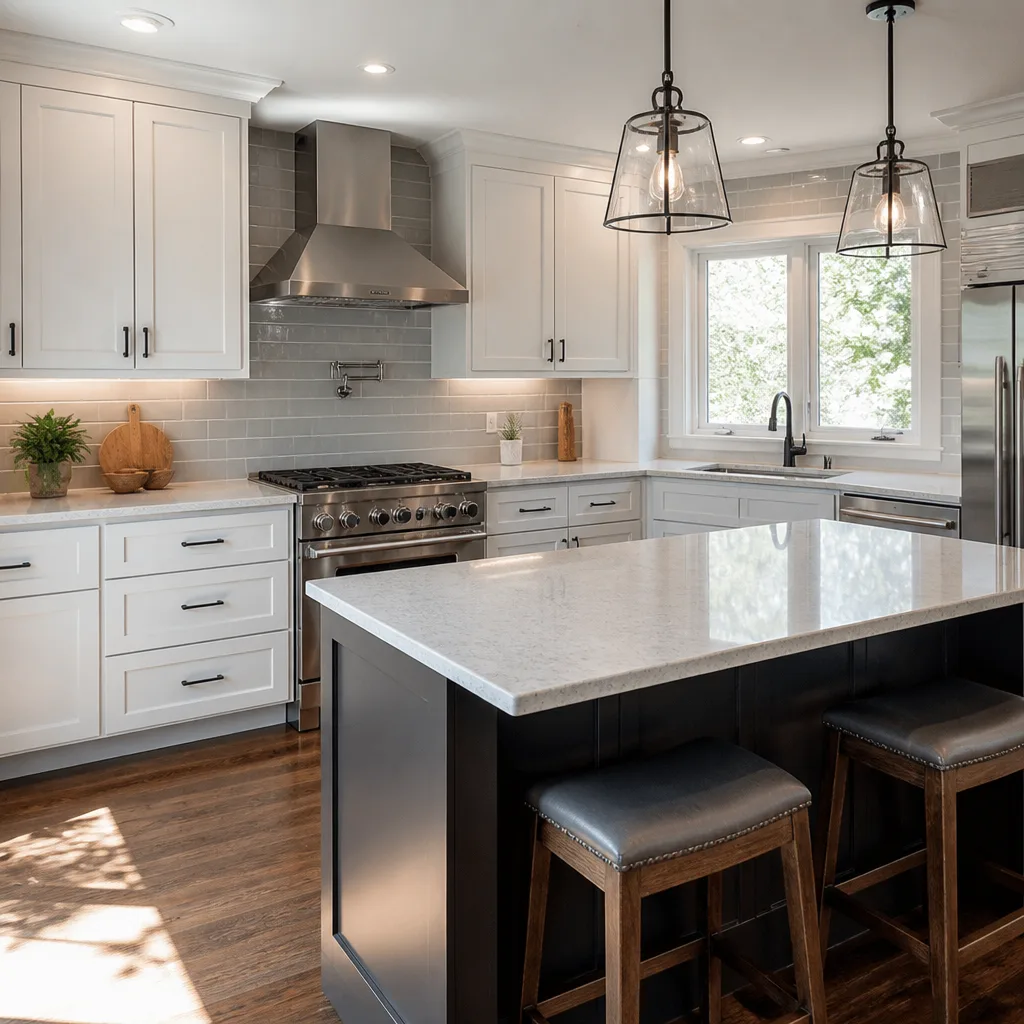
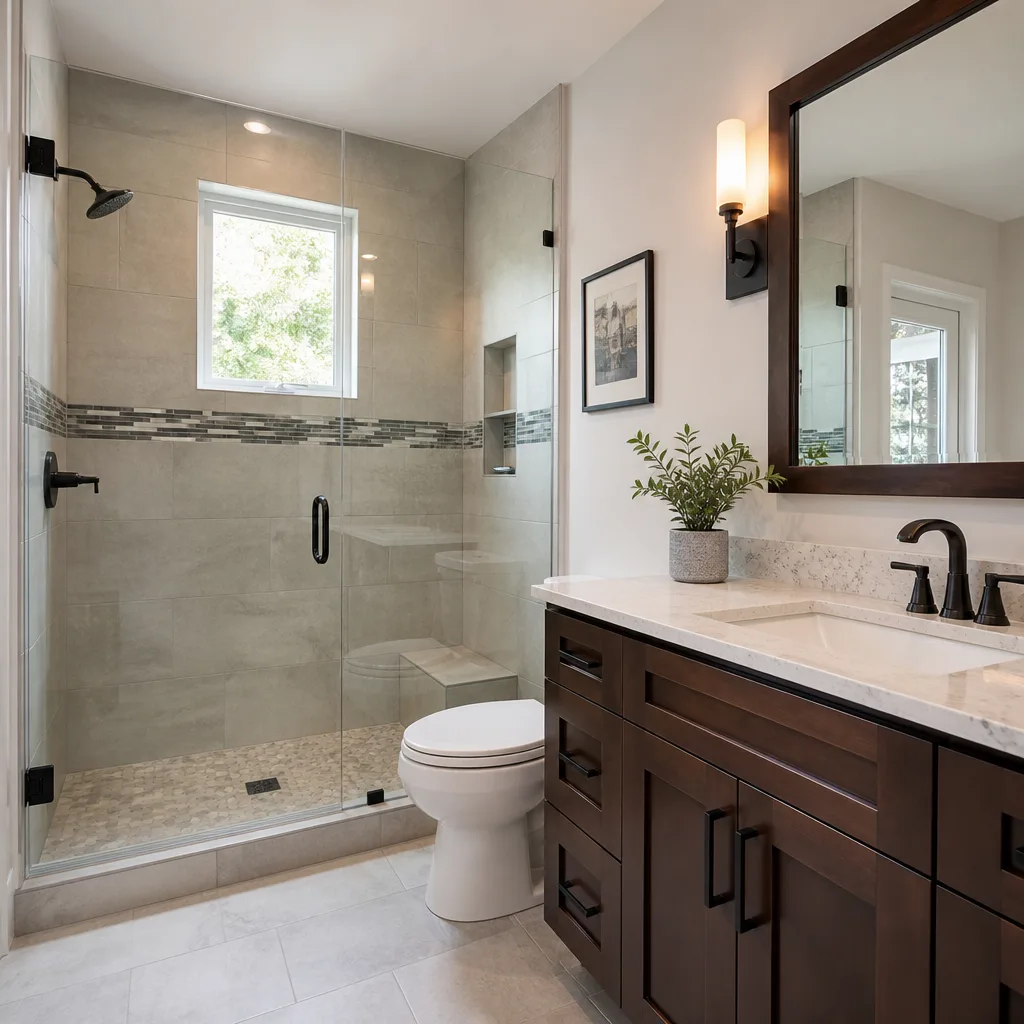





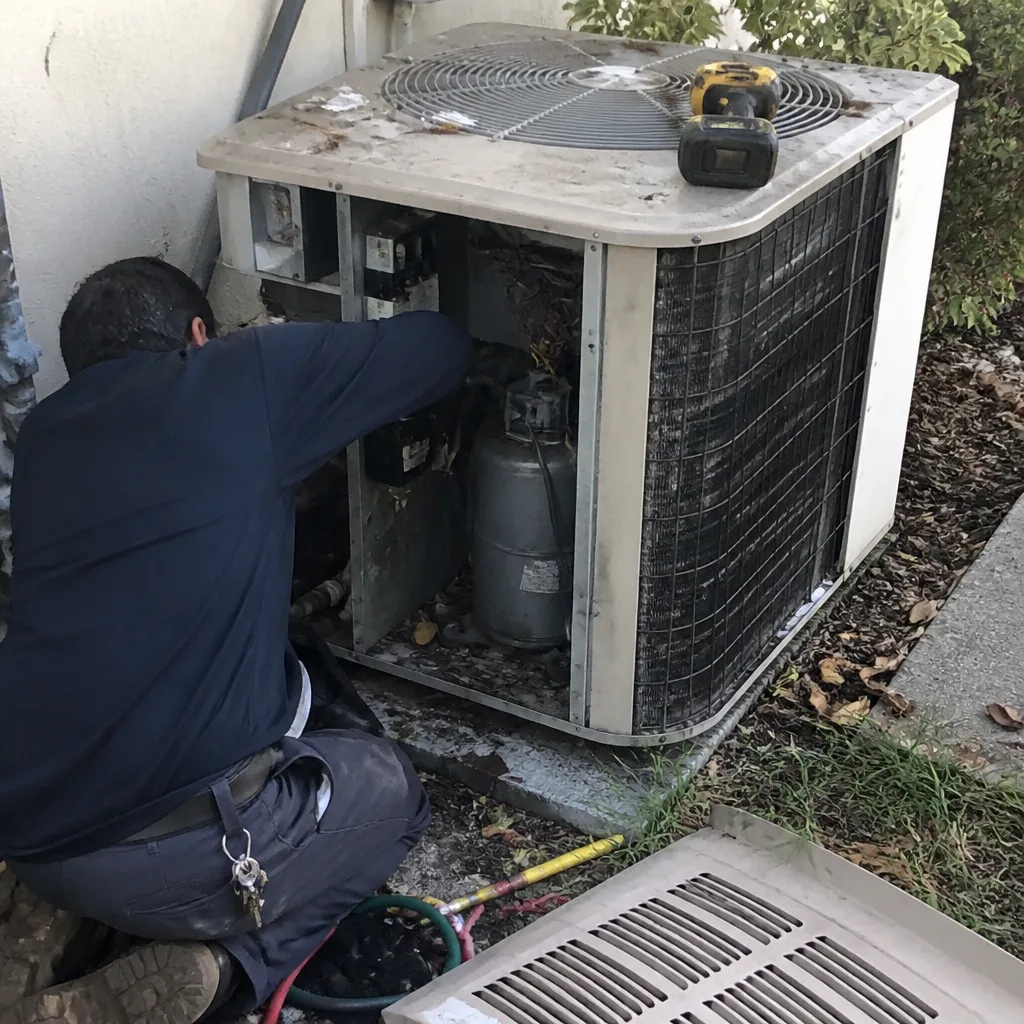 Before
 After
After Before
 After
After Before
 After
AfterConstruction Warning Signs: A Campbell Homeowner’s Reference Guide
The most common contractor dispute pattern in California begins not with bad workmanship but with a verbal scope change that was never written down. In Campbell, where median home values have climbed past $1.6 million and even a modest kitchen update runs into five figures, a preventable paperwork failure can cost a homeowner tens of thousands. We’ve reviewed competitor estimates brought in for our Rowan Construction Group Campbell home Free Second Opinion, and the same red flags appear repeatedly: contracts without change-order clauses, payment schedules that drain the budget before rough-in, and inspection cards missing from the job site. This guide names those signals specifically so Campbell homeowners can act on them while they still have leverage.
Quick Answer
Warning signs that a construction project is heading toward a dispute show up in three areas: documentation gaps (missing change-order clauses, vague allowances, front-loaded payments), job-site behavior (unprotected materials, unsupervised subs, missing inspection cards), and workmanship shortcuts visible even to non-experts (inconsistent grout joints, proud fasteners, caulk over raw trim). Campbell homeowners who spot these early retain negotiating power; those who wait until the final walkthrough often discover their legal remedies are slower than their move-in date.
Table of Contents
- Document Red Flags: What the Paperwork Reveals Before Work Starts
- Job-Site Behavioral Signals the Homeowner Can Observe
- Workmanship Red Flags Visible to a Non-Expert
- Financial Warning Signs and Insurance Verification
- California Legal Remedies When Work Fails
- Campbell-Specific Considerations: Climate, Code, and Market
- How a Documented Process Prevents Disputes
- Common Mistakes to Avoid
- When to Call a Professional
- Frequently Asked Questions
 Before
 After
AfterDocument Red Flags: What the Paperwork Reveals Before Work Starts
The contract is where disputes are born or prevented. In our experience reviewing estimates for Campbell homeowners - including those weighing DIY vs Professional Construction: The Campbell Homeowner’s Decision Guide - three documentation failures predict trouble with near-certainty.
Missing Change-Order Clause
A contract without a written change-order clause is a contract without cost control. Under Clause 1 of the Haven Standard, Rowan delivers a written price before any work starts; under Clause 3, no change proceeds without a signed change order. This is not administrative preference. California law requires written change orders for residential work exceeding $500, yet we regularly see competitor contracts that mention changes only in passing, or that allow “verbal authorization” for extras under a threshold like $500 or $1,000. That threshold gets breached by the second week on most Kitchen Remodeling in Campbell projects.
What to look for: a standalone change-order form, referenced in the contract body, with spaces for description, cost, and signatures from both parties. If the contractor says “we’ll handle changes as they come,” that is a warning sign.
Allowances Exceeding 15% of Total Budget
Allowances are placeholder dollar amounts for selections not yet made: tile, fixtures, cabinets, countertops. They shift price risk to the homeowner. When allowances exceed 15% of the total project budget, the final price becomes unpredictable. We’ve seen Campbell bathroom projects where allowances hit 40% of the contract, and the homeowner faced a $12,000 swing when actual selections came in above placeholder pricing.
Competent contractors specify brands and grades within allowances. A “$5,000 cabinet allowance” tells you nothing; a “KraftMaid Vantage semi-custom, painted maple, up to 25 linear feet” tells you enough to compare. Rowan’s quotes name fifty-plus vetted brands - Cambria and Caesarstone for countertops, Kohler and Toto for fixtures - so the written number reflects actual sourcing cost, not a guess.
Front-Loaded Payment Schedules
California contractors may legally request up to 10% or $1,000 as a deposit, whichever is less. A payment schedule that demands 25% or 33% before work begins, or that front-loads most of the project cost into the first two draws, strips the homeowner of leverage if workmanship falters. The standard we apply: payments tied to visible milestones - demolition complete, rough-in inspected, finish materials on-site - with retainage held until punch list completion.
Red flag language: “50% due upon signing,” “materials deposit required,” or any request for payment before a California Notice of Commencement is filed if one is required.
Job-Site Behavioral Signals the Homeowner Can Observe
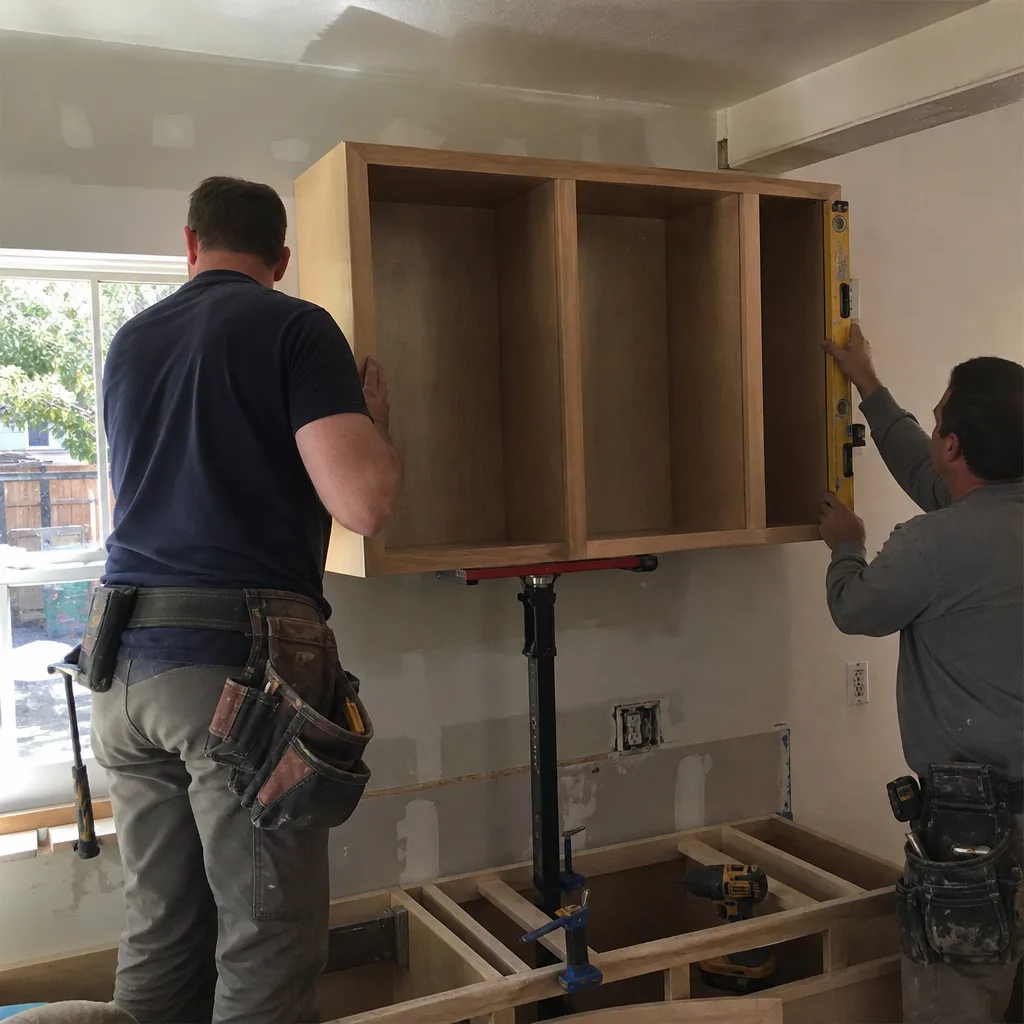
Paperwork predicts disputes; job-site behavior confirms them. Campbell homeowners need not be construction experts to recognize these three patterns.
Materials Stored Without Weather Protection
Campbell’s Mediterranean climate brings dry summers but winter rains concentrated in December through March, with occasional atmospheric river events that drop two to three inches in 24 hours. Cabinets, hardwood flooring, and drywall left in a driveway or garage without moisture barrier suffer damage that may not show until months after installation. On our Roofing in Campbell projects, we specify GAF or Owens Corning shingles delivered to a protected staging area; on kitchen remodels, KraftMaid cabinets arrive wrapped and remain so until installation day.
What to check: Are materials elevated on pallets? Covered with breathable tarps, not plastic sheeting that traps condensation? Is the garage or staging area secured? A contractor who treats $40,000 in cabinets like landscaping supplies is a contractor who has not priced replacement into the job.
Subcontractors Arriving Without the General Contractor Present
The general contractor’s role is coordination and quality control. When electricians, plumbers, or drywall crews access the site unsupervised, scope conflicts multiply. We’ve found HVAC ducts routed through planned soffit locations, and plumbing waste lines that conflict with cabinet toe-kick depths, because no one with full project knowledge was present to catch the conflict.
Campbell’s older neighborhoods - the Pruneyard area, streets near Campbell Park - contain homes built from the 1950s through 1970s with original layouts that challenge modern system integration. Unsupervised trades in these conditions produce expensive rework.
Inspection Cards Not Posted
California requires inspection cards or permits to be posted visibly at the job site. Their absence suggests either that permits were not pulled or that the contractor is accustomed to working without municipal oversight. Campbell Building Department inspectors verify structural, electrical, plumbing, and mechanical work at rough-in and final; skipping these inspections voids insurance coverage and complicates resale. A contractor who says “we’ll call for inspection when we’re closer to done” is delaying accountability.
What to verify: the permit number against Campbell’s online permit portal, and that each required inspection shows a signed approval before the next phase begins.
Workmanship Red Flags Visible to a Non-Expert
Some quality failures announce themselves before they become functional problems. These three are detectable without specialized knowledge.
Grout Joints Wider Than Tile Specification Allows
Rectified porcelain tile, common in Campbell kitchen and Bathroom Remodeling in Campbell projects, is manufactured with precise edges permitting 1/16-inch grout joints. Standard ceramic requires 1/8-inch or wider. When a setter uses 3/16-inch joints on rectified tile, the error suggests either unfamiliarity with the material or rushed layout to compensate for poor substrate preparation. The result: excessive grout that cracks under normal thermal movement, and a surface that collects moisture in Campbell’s occasional humid winter mornings.
Check: the tile carton for manufacturer joint specification, then a random sample with a measuring tape. Consistent deviation is a warning sign.
Drywall Fasteners Not Set Flush
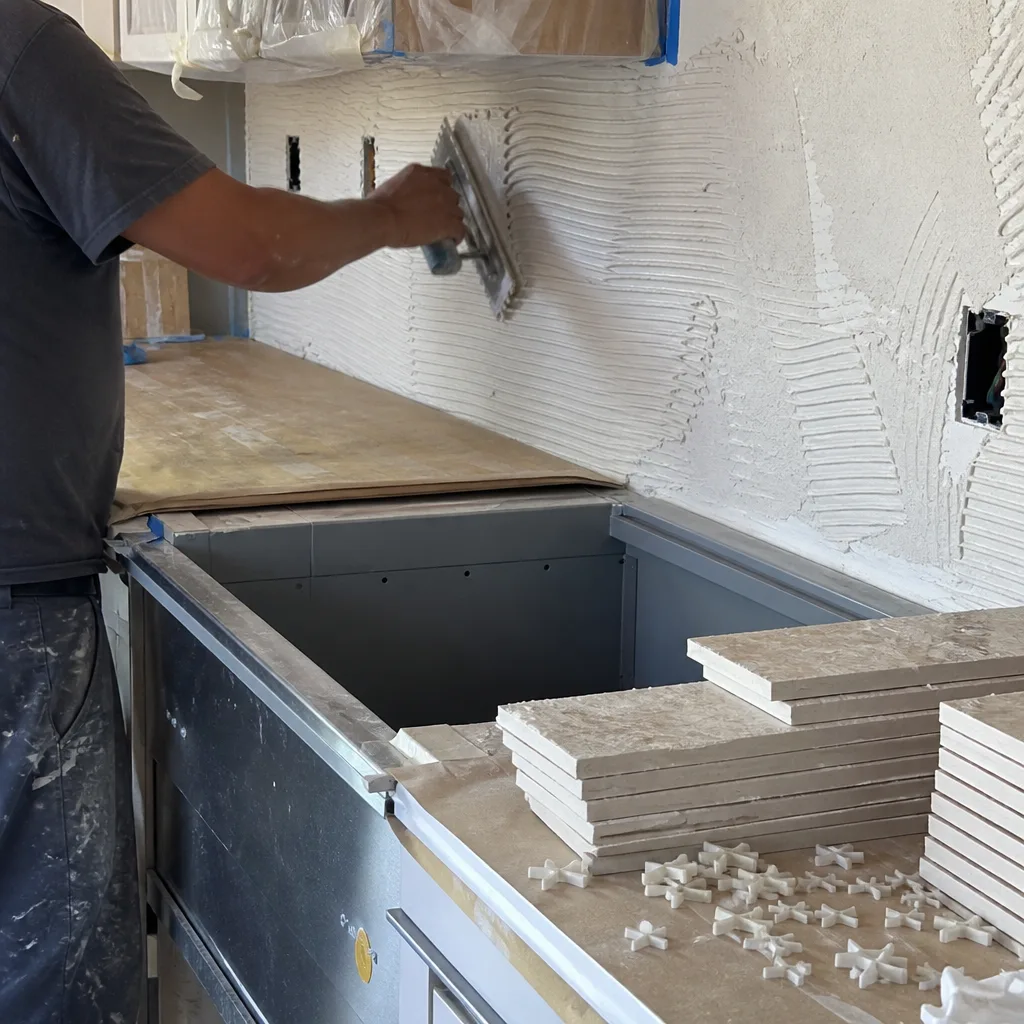
“Proud” fasteners - screw heads visible above the drywall paper - telegraph through paint as raised bumps or “nail pops.” They indicate insufficient fastening pressure or incorrect screw length. In Campbell’s clay-heavy soils, where seasonal moisture variation causes minor foundation movement, properly set fasteners with appropriate spacing (12 inches on walls, 8 inches on ceilings) prevent cosmetic failure. A wall with multiple proud fasteners suggests the crew was not trained to Rowan’s standard, or that the work was done under time pressure without inspection.
Caulk Applied Over Unpainted Trim
Caulk adheres to paint, not to raw wood or primer. When caulk is applied at trim joints before final paint coats, it forms a skin that cracks within months as the underlying wood expands and contracts. The correct sequence: prime, caulk, paint. A crew that caulks first is either skipping steps or does not know the sequence. In Campbell’s sun-exposed south- and west-facing rooms, this failure accelerates; UV degradation weakens the caulk bond, and the gap reopens before the first anniversary.
Financial Warning Signs and Insurance Verification
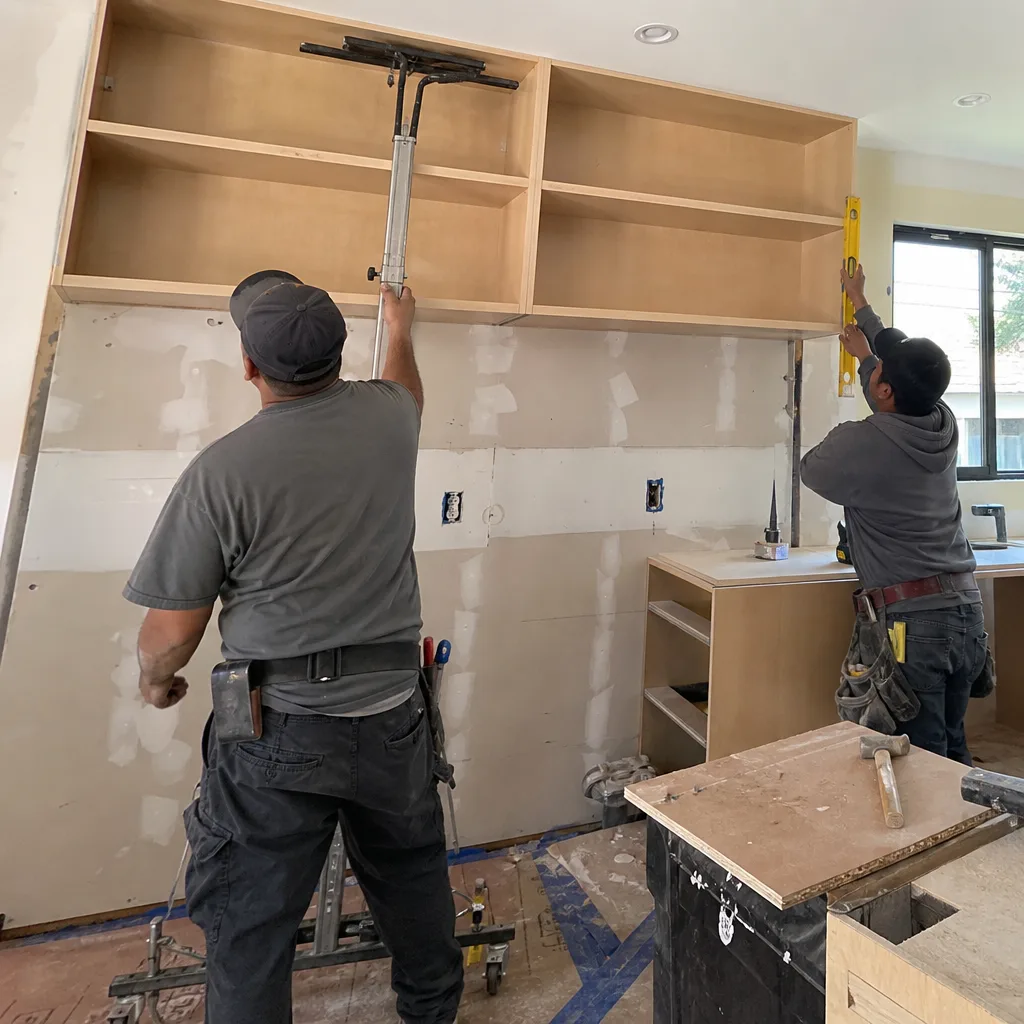
Financial distress in a contracting business often precedes project failure. Three verification steps protect the Campbell homeowner.
Certificate of Insurance
Request a current certificate of insurance (COI) directly from the contractor’s insurance broker, not from the contractor. The COI should name the homeowner as certificate holder and show general liability coverage, workers’ compensation, and commercial auto. Verify the policy dates cover the project duration. A contractor who cannot produce this within 24 hours, or who provides a PDF that appears altered, is a contractor who may be uninsured.
Rowan carries coverage through rated carriers and provides COI on request without delay. The license number is on every page; every crew member is verified before arrival.
Cash Payment Requests
Any request for cash payment, or for checks made out to an individual rather than the business entity, suggests tax evasion, lien exposure, or both. California law requires contractors to deposit payments into a business account. Cash payments leave no paper trail for the homeowner if materials are not ordered or subcontractors are not paid. The result: mechanic’s liens from unpaid suppliers even after the homeowner paid in full.
Lien Releases at Each Draw
Conditional lien releases from the general contractor, and unconditional releases upon payment, should accompany every draw. On projects with material suppliers, joint checks or supplier lien releases protect against hidden claims. A contractor who says “I’ll handle all that at the end” is exposing the homeowner to liability that persists years after move-in.
California Legal Remedies When Work Fails
Campbell homeowners have specific legal tools when a licensed contractor’s work falls short. Understanding these in advance clarifies when to escalate and when to negotiate.
CSLB Complaint Process
The Contractors State License Board accepts complaints against CSLB-licensed contractors for violations of the Business and Professions Code. The process begins with a written complaint, followed by investigation and potential disciplinary action against the license. CSLB can order restitution, suspend or revoke licenses, and refer criminal cases. The complaint must be filed within four years of the act for most violations, though some fraud claims carry longer statutes.
Critical limitation: CSLB does not act as a private attorney. The homeowner must document the defect, the contractual obligation, and the financial harm. This is where the photo record, written change orders, and inspection approvals become evidence.
Bond Claim
California requires licensed contractors to carry a $25,000 surety bond. Homeowners damaged by a contractor’s violation of license law may file against this bond. The bond is not project insurance - it covers damages from specific statutory violations, not general dissatisfaction. Claims must be filed with the surety company named on the CSLB license record, with documentation of the violation and damages.
Small Claims Court
California small claims court handles disputes up to $12,500 for individual plaintiffs. No attorney is permitted to represent either party. The process moves faster than superior court - typically 30 to 70 days from filing to hearing - and judgment is enforceable through wage garnishment and asset liens. For Campbell homeowners with documented defects below the threshold, this is often the most efficient remedy.
For damages exceeding $12,500, superior court or binding arbitration (if specified in the contract) becomes necessary. The contract’s dispute resolution clause deserves review before signing.
Campbell-Specific Considerations: Climate, Code, and Market

Campbell’s particular conditions amplify certain risks and mitigate others.
Seismic and Foundation Context
Campbell sits within Santa Clara County’s Alquist-Priolo Earthquake Fault Zone, and many homes in the older core, particularly near Campbell Avenue and the historic downtown, rest on raised foundations with crawl spaces rather than slabs. Foundation work, additions, or significant remodels in these areas require geotechnical evaluation and may trigger enhanced Title 24 energy requirements. A contractor unfamiliar with Campbell’s permit history - who treats a 1940s cottage like a 1990s tract home - misses these requirements until inspection failure forces costly redesign.
ADU and In-Law Unit Permitting
Campbell has adopted California’s statewide ADU standards with local modifications. Setbacks, height limits, and parking requirements differ by zoning district. A contractor quoting Rowan Construction Group Campbell home additions without specifying which zoning district applies, or without referencing the Campbell Municipal Code Chapter 19.16, is quoting blind. Rowan’s process includes preliminary zoning confirmation before the written price is delivered.
Material Selection for Local Climate
Campbell’s 300-plus annual freeze-thaw cycles are minimal compared to mountain regions, but summer highs regularly exceed 90°F with intense UV. Roofing materials, exterior paint, and decking products selected for cooler coastal climates fail prematurely. GAF Timberline HDZ shingles with Stainguard protection, specified for our Campbell roofing projects, carry ratings for thermal cycling appropriate to inland Santa Clara Valley. Belgard and Techo-Bloc pavers, properly installed with edge restraint and bedding sand, handle the clay soil expansion better than poured concrete with insufficient control joints.
Neighborhood Character and HOA Constraints
Campbell’s newer developments - the Villages, Pruneyard West, and pockets near Westmont High - operate under homeowners associations with design review requirements. A contractor who begins work without HOA approval, or who substitutes materials after approval without resubmission, exposes the homeowner to fines and stop-work orders. The written scope must include HOA compliance as a project phase, not an afterthought.
How a Documented Process Prevents Disputes
Rowan Construction Group was acquired by Haven in part for the administrative discipline that keeps projects within a few percent of the agreed price. That discipline is not secret; it is printed on every page.
- Written price before any work starts. Every project across seven trades - Kitchen Remodeling, Bathroom Remodeling, Roofing, Windows and Doors, Fence Installation, Driveway and Pavers, and Home Additions including ADUs - receives a flat price with written scope and written warranty. “Call for a quote” is not an option here.
- Signed change orders for every modification. No work proceeds on a change until the change order is signed. This Clause 3 discipline, maintained since 2007 across 4,000-plus projects, prevents the verbal-scope-change pattern that generates most disputes.
- Documented photo record on every visit. Included as standard, not an upgrade. The customer receives evidence of what was found and what was done - substrate condition, fastener patterns, membrane installation - with date stamps and crew identification.
- Background-checked, uniformed technicians. Every crew member verified before arrival. A live person answers calls 24/7, and the license number appears on every document.
- 365-Day Done Right Promise. If it is not done right, Rowan makes it right. The guarantee is printed on every page and backed by a terms page, not an asterisk.
This system does not eliminate all risk - construction involves variables - but it eliminates the preventable failures that dominate complaint files. The Free Second Opinion on any written estimate allows Campbell homeowners to compare their current quote against these standards line by line, at no charge.
Common Mistakes to Avoid
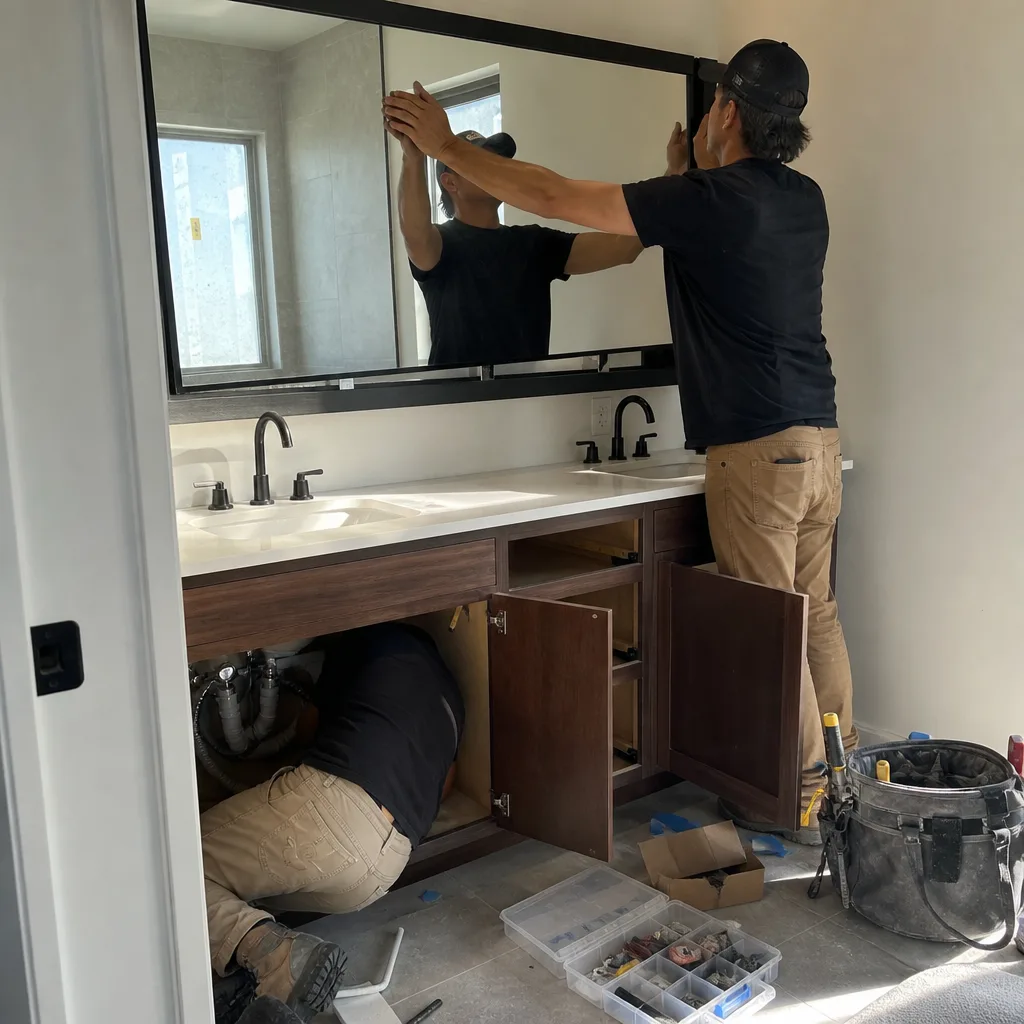
- Accepting a “ballpark” figure as a binding quote. A verbal range given over the phone is not a contract price. Campbell homeowners comparing estimates need line-item written scopes to evaluate what is actually included.
- Paying the final draw before punch list completion. Retainage is the homeowner’s only leverage for timely completion of minor corrections. Release it only after walking every room with the contractor and documenting outstanding items in writing.
- Skipping permit verification. Campbell Building Department permits are public record. The permit number on the job site should match the address and scope; discrepancies suggest unpermitted work that voids insurance and complicates resale.
- Ignoring seasonal timing for exterior work. Roofing and exterior painting in Campbell’s November through March rainy season risks moisture intrusion and warranty disputes. Schedule these for April through October, with confirmed weather hold provisions.
- Neglecting to verify ADU utility capacity. Campbell’s older sewer laterals and electrical services often cannot support ADU loads without upgrade. A contractor quoting ADU construction without utility assessment is quoting incomplete work.
- Failing to document pre-existing conditions. Photograph walls, floors, and adjacent landscaping before demolition. Without this baseline, damage disputes become unresolvable he-said-she-said conflicts.
- Choosing prefabricated solutions without site verification. Dvele, Mighty Buildings, Boxabl, and Plant Prefab offer innovative prefabricated and modular options that can reduce construction duration, but Campbell’s narrow lots, utility connections, and setback requirements demand site-specific engineering review before ordering. A factory-built unit that cannot be craned into a Campbell backyard becomes an expensive storage problem.
When to Call a Professional
Call a licensed contractor when warning signs appear during active work: inspection cards missing for more than 48 hours, materials arriving damaged or incorrect without replacement plan, or crew composition changing weekly without explanation. Call before signing if the contract lacks change-order clauses, front-loads payments, or contains allowances exceeding 15% of budget. Campbell homeowners planning kitchen or bathroom renovations, roof replacements, or ADU additions should verify that their contractor’s process includes written pricing, documented visits, and permit compliance as standard practice, and should consult our Kitchen Remodeling Maintenance Checklist for Campbell Homeowners. Rowan Construction Group Campbell offers free estimates in Campbell - call (831) 704-1211.
Frequently Asked Questions
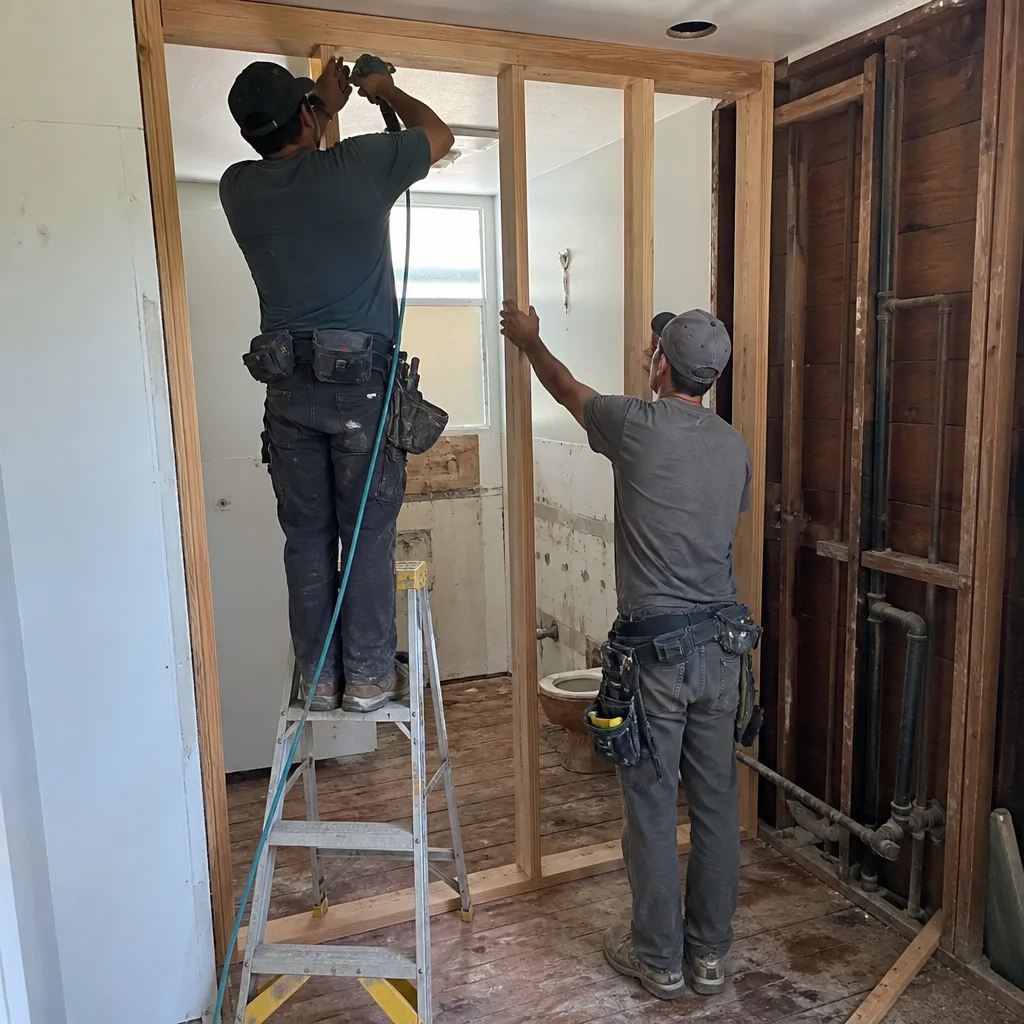
California law limits residential deposits to 10% of the contract price or $1,000, whichever is less. Any request above this is a warning sign. Call (831) 704-1211 for an exact quote - estimates are free.
A complete contract specifies the written scope, flat price, payment schedule tied to milestones, change-order procedure, start and completion dates, and warranty terms. It should name brands and grades for all allowances, not placeholder dollar amounts. Rowan’s Kitchen Remodeling in Campbell quotes include these elements before any work starts.
Check the CSLB license number at cslb.ca.gov; verify status is “Active” and bond is current. Request a certificate of insurance directly from the contractor’s broker, naming you as certificate holder, with policy dates covering your project period.
Setback encroachment, exceeding height limits in R-1 zones, and failure to provide required parking for ADUs top the list. Campbell’s zoning map and Chapter 19.16 of the Municipal Code specify requirements by district. Preliminary zoning confirmation should precede any written price for addition work.
California allows homeowners to withhold payment for documented, substantial defects that the contractor has failed to remedy after written notice. Withholding payment without documentation or without giving reasonable cure opportunity exposes the homeowner to breach-of-contract claims and potential mechanic’s lien. Photograph defects, notify in writing, and allow the cure period specified in your contract before withholding.
If any element of Rowan’s work fails to meet the written scope within 365 days of completion, we return to correct it at no additional cost. The promise is printed on every contract page and defined in a linked terms document, not summarized in a slogan. This applies across all seven trades, from roofing to full home additions.
The Bottom Line
Construction disputes in Campbell are preventable in the documentation phase, detectable in job-site behavior, and addressable through California’s specific legal remedies when they occur. The homeowner’s leverage is greatest before signing, substantial during active work, and diminished after final payment. A contract with written change-order clauses, milestone-based payments, and named material specifications eliminates the most common failure pattern. Verification of insurance, permits, and lien releases at each draw protects against financial exposure. And workmanship standards - flush fasteners, specified grout joints, proper paint sequence - are visible to anyone who knows what to check. Rowan Construction Group has applied these disciplines since 2007, with a documented record across 4,000-plus projects. The standards are not proprietary; any homeowner can demand them.
Written by Grant Rowan, Owner at Rowan Construction Group Campbell, serving Campbell since 2007.